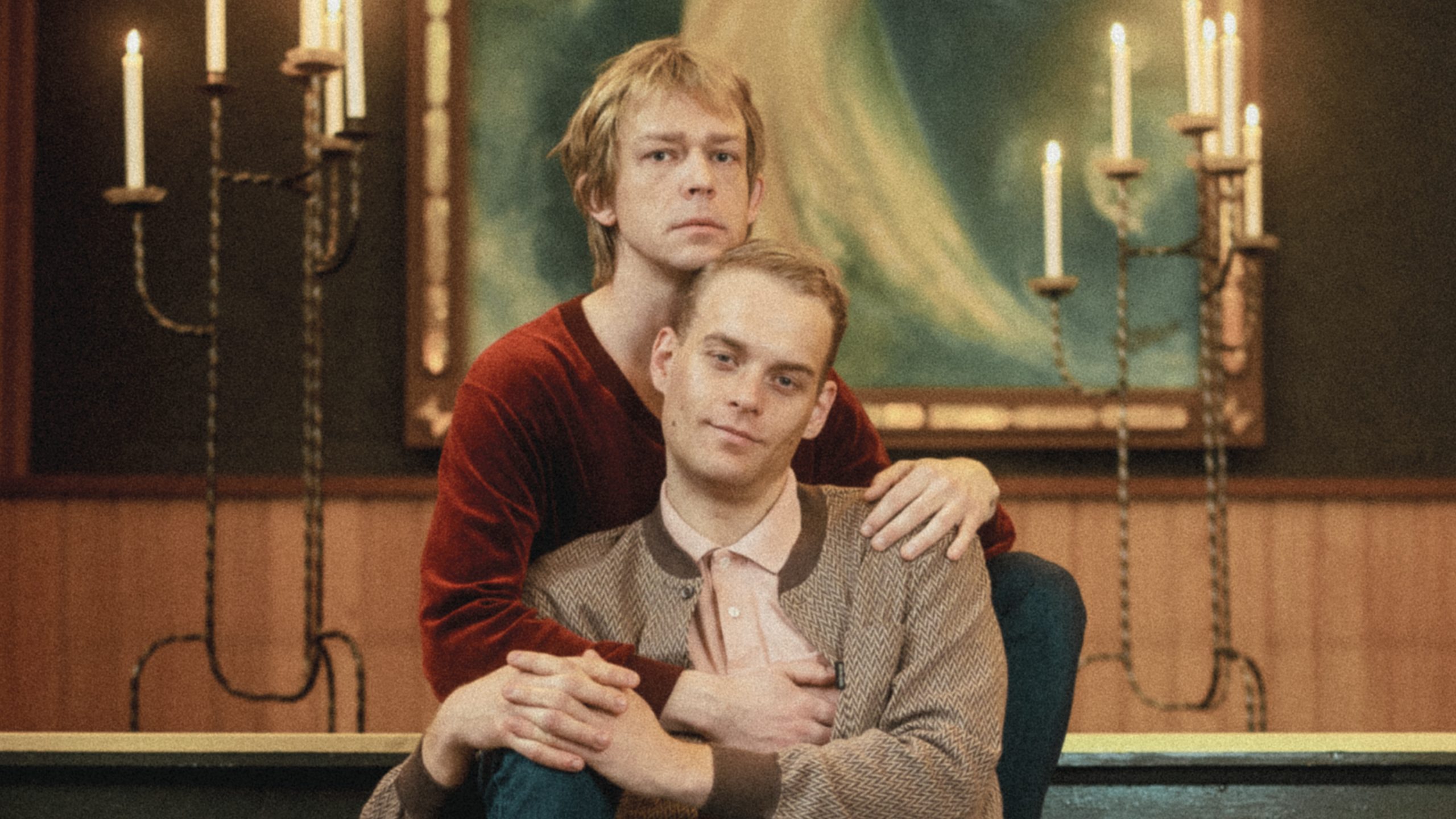
On-stage performance
Wild shot
Milestones in the fight for LGBTQ+ rights
Text: Mikal Vassbotn
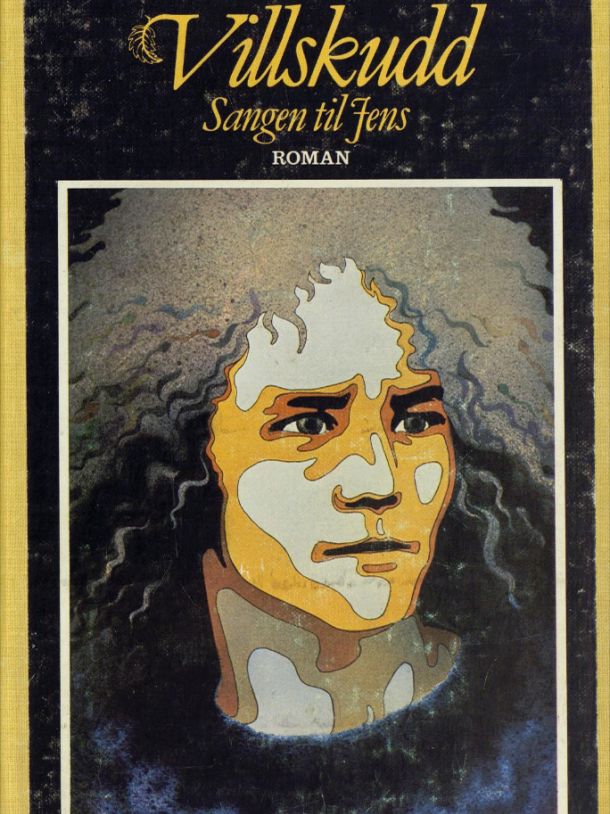
In May, Kilden will Kilden the play *Villskudd*, loosely based on the novel of the same name by Gudmund Vindsun.
The book was groundbreaking in its time and has meant a great deal to the LGBTQ+ community, particularly in terms of self-esteem, visibility, and representation. The book was one of several small victories that have improved living conditions for the LGBTQ+ community; we’ll take a look at some of them in this article.
Norway is perhaps one of the most liberal and tolerant countries in the world when it comes to equality between LGBTQ+ people and straight people, although we must acknowledge that we still have a long way to go. However, this has not always been the case. Throughout history, gay people have faced opposition, prejudice, and discrimination from the state, religious communities, and society at large.
Prohibition on amending the law
Section 213 of the Penal Code of 1902 stipulated that “anyone who engages in indecent acts with a person of the same sex” could be punished by imprisonment for up to one year. Although the law was rarely used to prosecute LGBTQ+ people, it played a significant role in stigmatizing and discriminating against them.
One of the first steps toward a more humane treatment of homosexuals came in the form of an article written by doctors Karl Evang and Torgeir Kasa in 1932, in which they argued that homosexuality is, in most cases, innate:
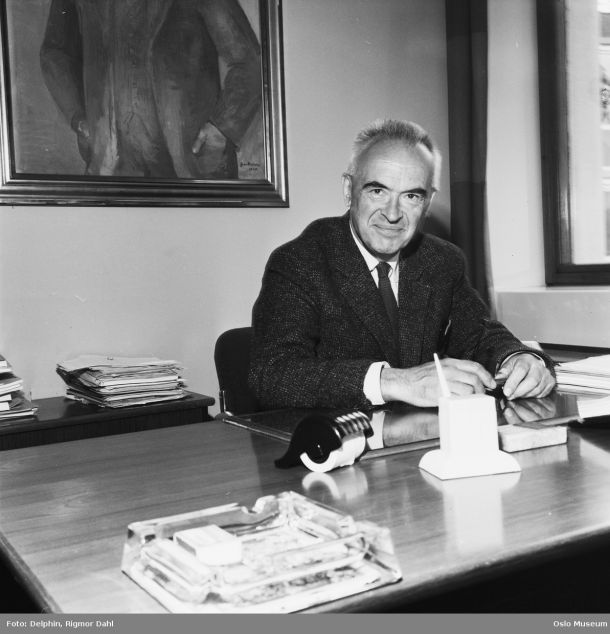
“In consideration of the simple and self-evident human right that these thousands have to lead as happy and dignified a life as possible, a change is necessary in prevailing morals and in society’s attitude toward them”
– Karl Evang and Torgeir Kasa
DNF-48
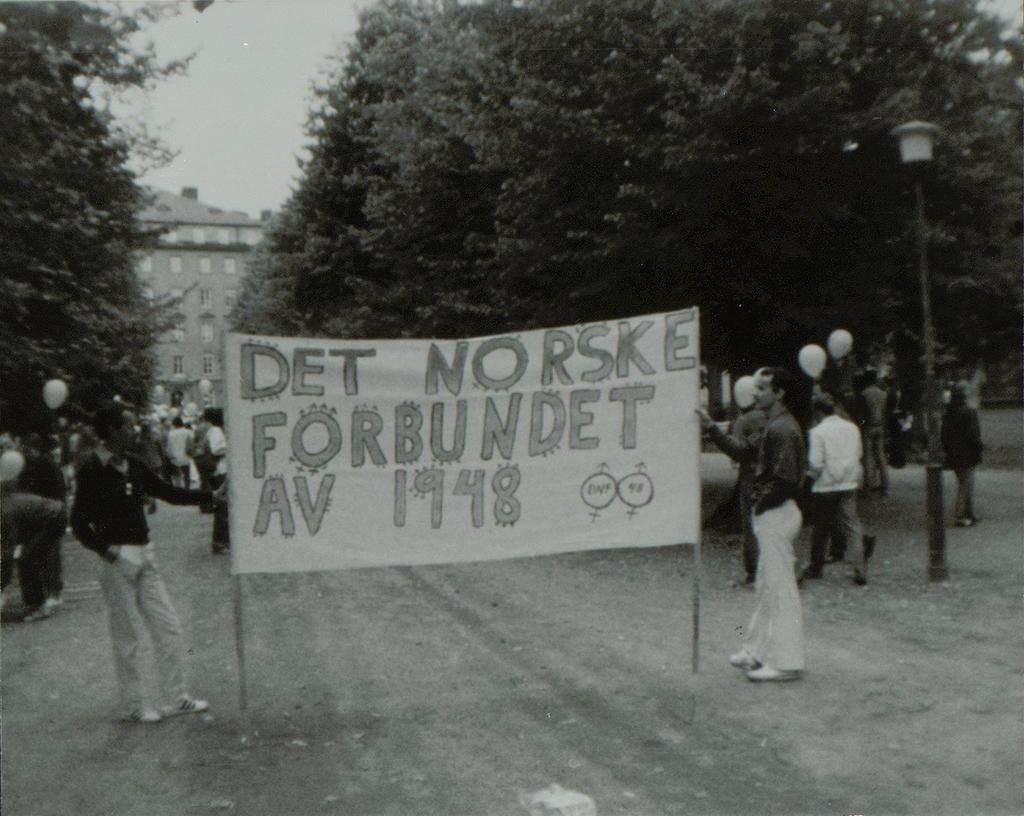
However, when discussing the fight for gay rights, we cannot overlook the Norwegian Federation of 1948 (DNF-48). Founded in 1950 as a Norwegian branch of the Danish organization of the same name, DNF-48 worked tirelessly to have the aforementioned Section 213 repealed. The effort to change the law began as early as the 1950s and was, in many ways, uncharted territory at a time when being queer was both illegal and viewed as a mental disorder by healthcare professionals. DNF-48 lives on today under the name Fri—the Association for Gender and Sexual Diversity.
DNF was also behind the brochure “Hva vi vil” (“What We Want”), which, by all accounts, marked the debut of the term “homofil” in Norwegian. Subsequently, the publication “Klubbnytt” was published from 1953 to 1958 before the final issue was released without a title, inviting readers to suggest a new name. Thus, the name “Oss imellom” was born, and the publication gained further circulation. Even though queer people were speaking out, it was still illegal and by no means socially accepted to live in a same-sex relationship in this country, but a major change was soon to take place in Norway.
In 1965, NRK aired the first Norwegian radio programs on homosexuality at 9:00 p.m. and wrote in the program description: “… regarding the situation of homosexuals in our society, we know that anxiety, isolation, and life-ruining pretense characterize the lives of most of them,” and continued:
“…in the hope that light and air might penetrate to help those on both sides of the sometimes blurred line between gay and straight people”
the 1960s and 1970s
In other words, homosexuality is brought to the forefront, and interestingly enough, we are now approaching the decade in which the events depicted in both the play and the book *Villskudd* take place: the 1960s and 1970s.
Since the mid-1960s, DNF-48 had waged an aggressive campaign against Section 213, led by its then-leader Kim Friele, and in 1972 was finally able to bid farewell to the section that had seemed oppressive to so many for their entire lives. The law that for years had criminalized sexual relations between people of the same sex was nothing but a stain on Norwegian history, and yet another small step toward a more just society had been taken.
A few weeks later, on May 17 itself, Kenneth Edward Brophy stood holding a sign that read: “Full support for the gay community’s struggle for liberation,” and thus the first public demonstration for gay rights in Norway had taken place.
Hate speech
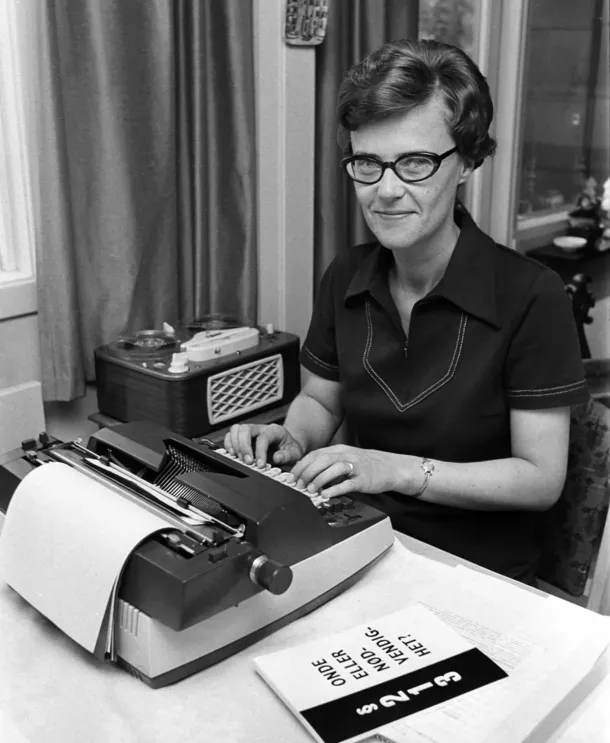
It’s not easy to shake off a stigma, especially when it has been both a criminal offense and regarded as a condition from which one can recover; in fact, until 1982, the Ministry of Social Affairs listed homosexuality as a medical diagnosis.
And even though it was now possible to be in a same-sex relationship without being criminalized or labeled with a diagnosis, there were still some in society who did not appreciate this newfound freedom for same-sex couples.
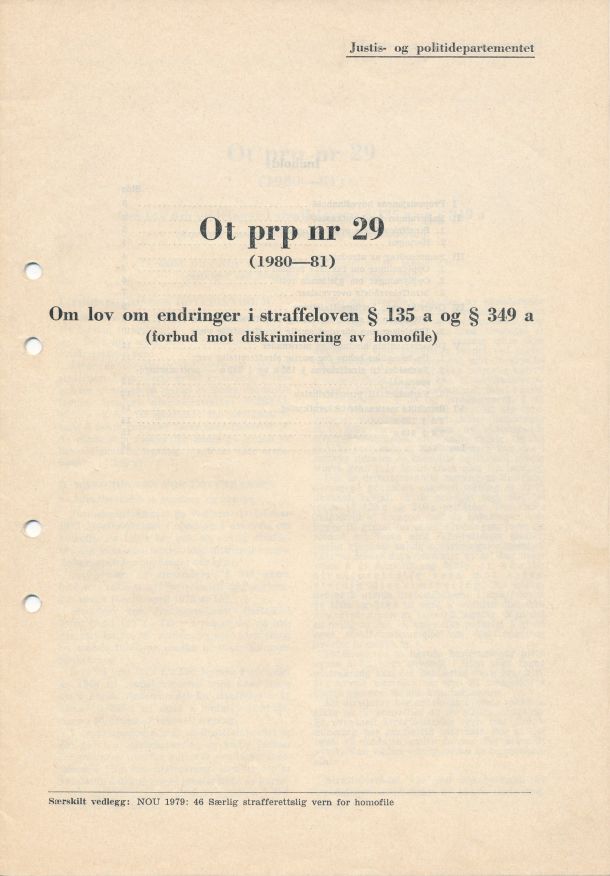
In the same year that Diana married Charles—that is, 1981—the Norwegian Parliament passed a law stating that grossly offensive remarks “directed at a person or group because of their homosexual orientation, lifestyle, or sexual orientation” constitute a criminal offense and are punishable by fines or imprisonment.
Even if this does not lead to a wave of arrests, it helps put the issue on the agenda and shine a spotlight on an important question: how can we put an end to decades of discrimination?
Partnership
In 1993, the Storting passed the Civil Partnership Act, which was initially intended to grant lesbian and gay couples the same rights as heterosexual couples, but which fell short of its goal. Same-sex couples still do not have the same rights to marry in a church or adopt children. The right to adopt and the right to assisted reproduction were not granted until 15 years later with the introduction of the Marriage Act.
But what about the church? There, the first change came in 2016, when an overwhelming majority of the Church Assembly—which consists of the eleven different diocesan councils—voted in favor of allowing same-sex couples to marry in the church.
Representation
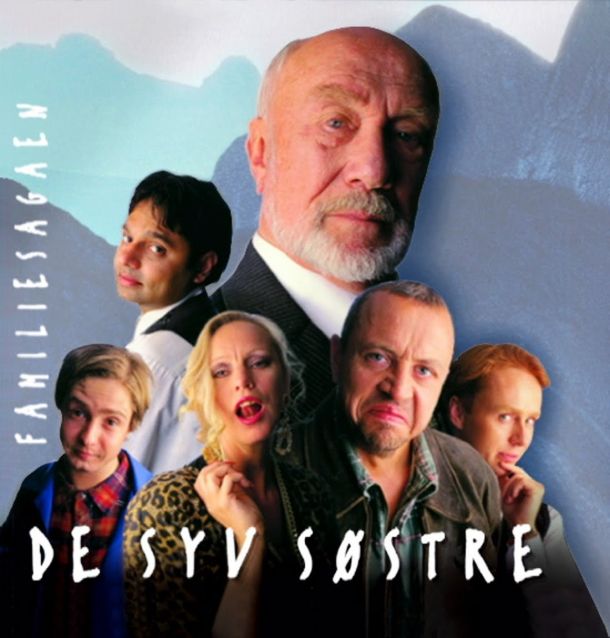
TV viewers who settled in front of the TV in their living rooms and tuned in to TV2 between 1996 and 2000 became familiar with the lives of the families living in the fictional town of Solbekk through the soap opera *The Seven Sisters*. For many Norwegians, the series was their first encounter with a bona fide soap opera, complete with intrigue, family feuds, and drama—lots of drama. But it was also one of the first times viewers saw genuine love between two gay men, right in the middle of prime time on a popular TV series.
Some viewers might have choked on their Saturday pizza when Roy, the show’s gay protagonist, kissed what appeared to be a straight former jock at the show’s go-to nightclub, Club Garbo. But representation is precisely the key to normalizing and demystifying same-sex feelings and relationships.
Why wild shoots?
Now, three decades later, representation is better than it was in the 1990s. Still, it wasn’t without raising a few eyebrows when the third season of the popular teen series SKAM focused on the relationship between two young men, Isak and Even. The series enjoyed enormous popularity and was by no means afraid to tackle themes that some might find difficult to relate to.
Just like *SKAM*, *Villskudd* also deals with young, forbidden love and puts into words the exciting—and sometimes conflicting—emotions one can experience during adolescence. Forbidden love has served as the foundation for countless love stories throughout history, with *Romeo and Juliet* perhaps being the most famous. In that sense, it is perhaps not surprising that the author, Gudmund Vindsun, Kilden in an interview with Kilden that over the years he has received several letters from heterosexuals who have identified with the story. And perhaps even more importantly, the book and the play *Villskudd* depict a love story between two people of the same sex without necessarily focusing on the AIDS pandemic, abuse, or marginalization.
Kilden to stage *Villskudd* because representation is important to us. The theater has long been a safe haven for queer actors, though often in roles set within heteronormative relationships. By showcasing a real love story, with all its ups and downs, between two queer people where the relationship itself is the focus, we hope this is also a small step toward the normalization of queer love.