Who's Who at Amadeus?
Who's Who at Amadeus?
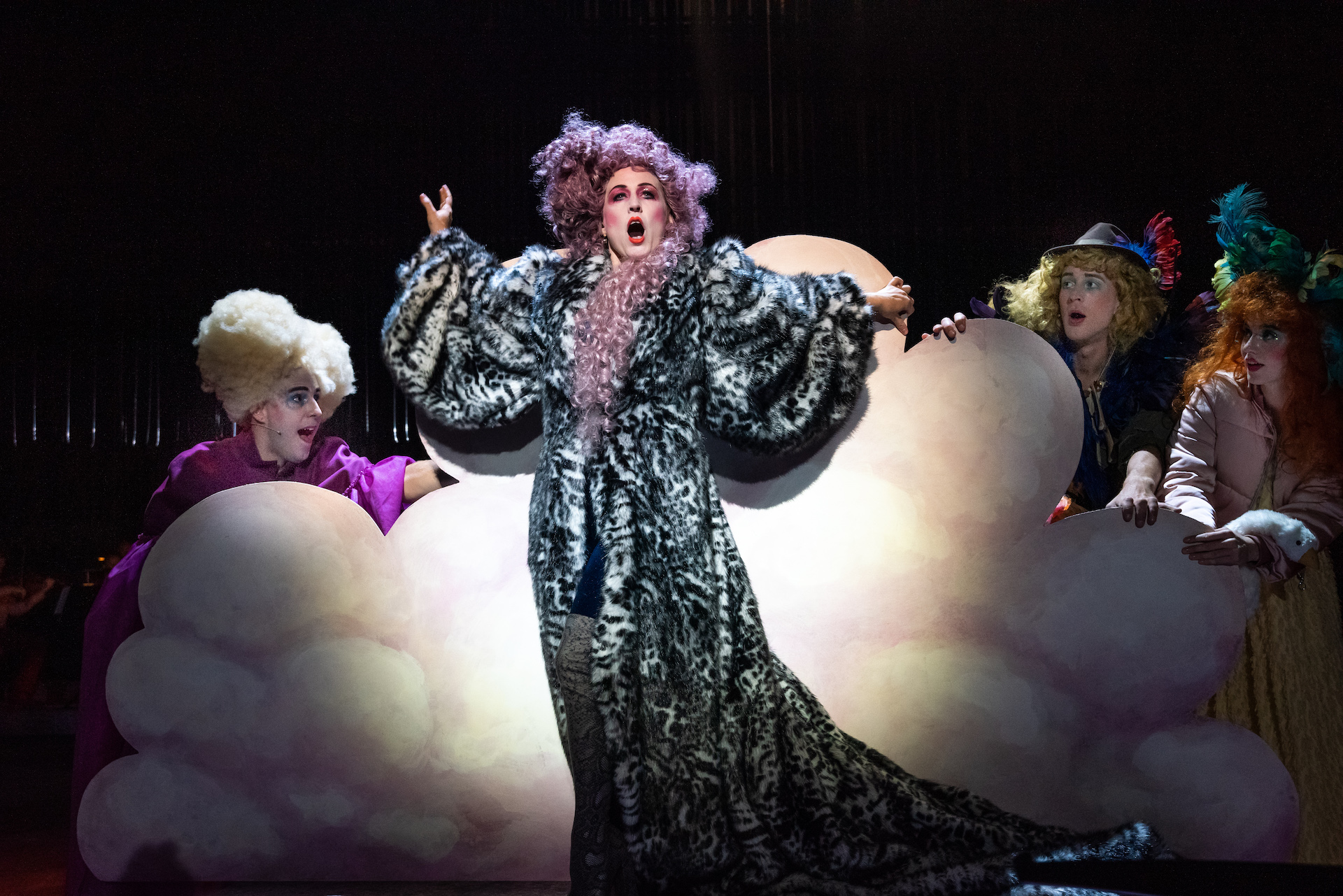
This fall brings one of the most spectacular productions in music history. *Amadeus* has been performed around the world and features a rich and complex cast of characters. In this article, we’ll get to know some of the characters in the production.
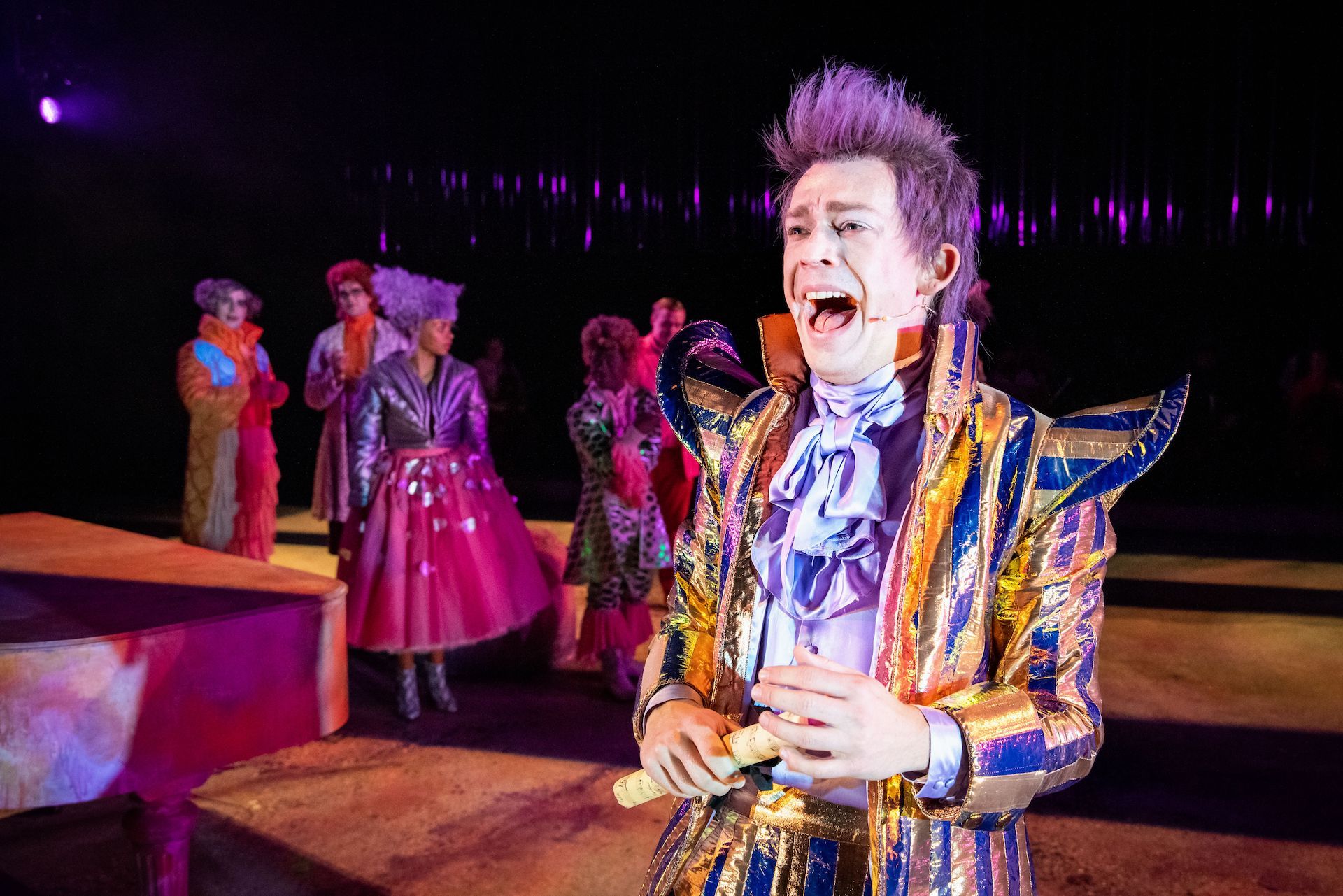
The play depicts a rivalry between Salieri and Mozart. Salieri has worked hard his entire life to achieve success with his music. Mozart, on the other hand, seems to have simply appeared out of nowhere with his immense musical talent and stolen all the attention, which makes Salieri angry and desperate. Obsessed with Mozart, Salieri sets a new course in his life; he wants to become like Mozart, and this very decision will prove to have fatal consequences.
As mentioned, the play features a rich cast of characters. In addition, the actors and singers will be supported by the Kristiansand Symphony Orchestra, whose musicians will be on stage for much of the performance.
Antonio Salieri Antonio Salieri was an Italian composer and conductor who dominated Vienna’s musical scene for fifty years. He taught a number of famous musicians, including Schubert and Beethoven. He wrote 40 operas and other music, but his works gradually disappeared from repertoires a few decades after his death. He was rediscovered in the 20th century through the film Amadeus, which dramatizes his relationship with Mozart.
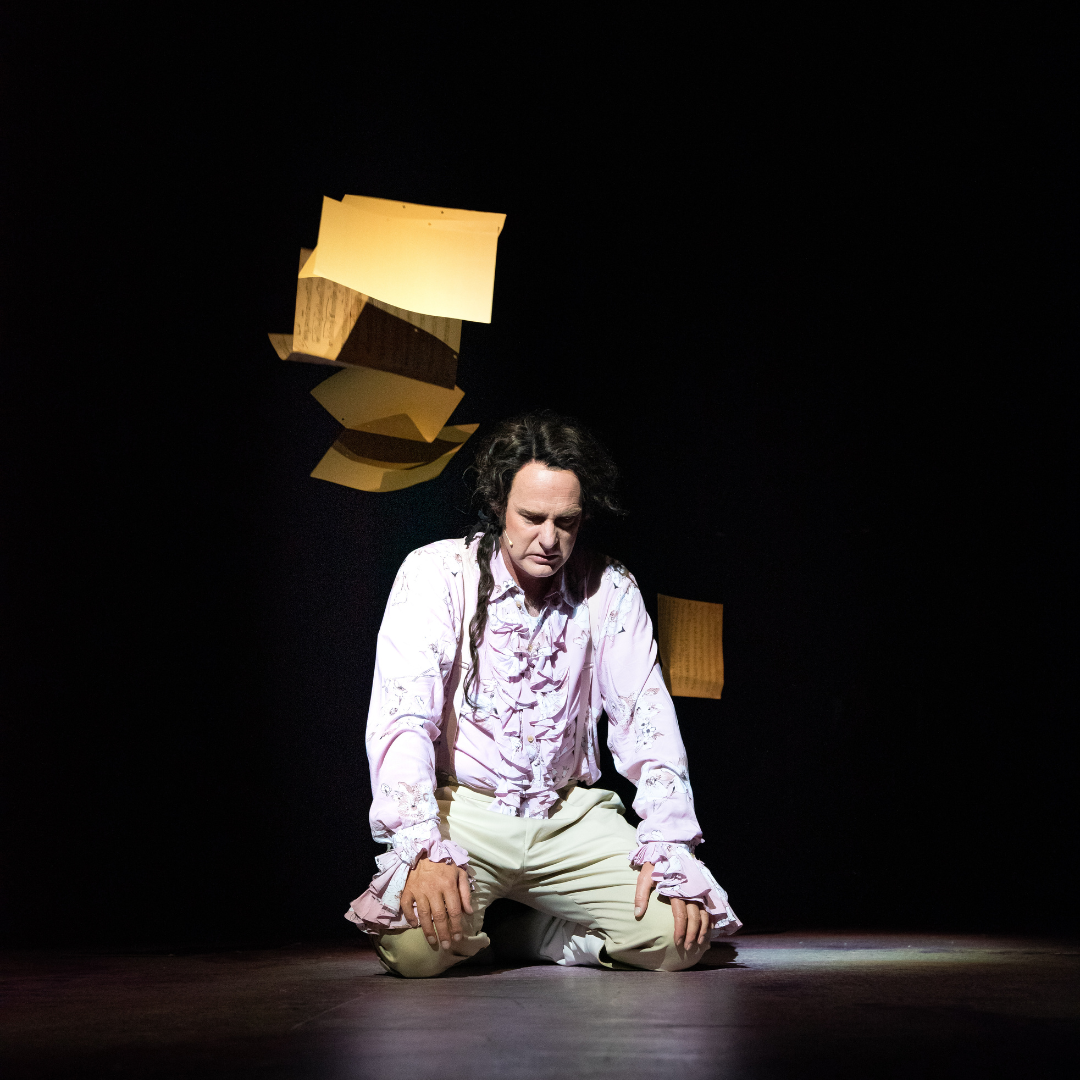
Wolfgang Amadeus Mozart was a brilliant musician and composer who moved to Vienna in 1781. There, he became popular with audiences and the aristocracy, and associated with many artists, such as Salieri and Haydn. In Vienna, he composed some of his masterpieces, such as “The Marriage of Figaro” and “Don Giovanni.” He died young, but his music has had an enormous influence on Western classical music.
Constanze Weber, Mozart’s wife, was born in 1762 in Germany. She was a gifted singer who met Mozart in 1777. Constanze supported Mozart emotionally and practically, and had six children with him, but only two survived. After Mozart’s death, she worked tirelessly to preserve his musical legacy. She remarried a Danish diplomat and died in 1842 in Salzburg.
Joseph II was Emperor of Austria from 1765 to 1790. He reformed the country, notably by abolishing serfdom and curtailing the power of the Church. He had a significant influence on Mozart’s life and career. Joseph was a patron of the arts and supported Mozart’s work, but there was also conflict in their relationship, often over religious issues.
Count Johann Kilian von Strack was an influential chamberlain at court. He provided Mozart with financial support and commissioned several works from him, including “La clemenza di Tito.” Strack had conservative musical tastes, in contrast to Mozart, and was strict in his adherence to court protocol, yet he remained an important patron of Mozart.
Count Franz Orsini-Rosenberg was the director of the Imperial Opera. He commissioned and produced several of Mozart’s operas, including “Die Entführung aus dem Serail” and “Le nozze di Figaro.” Orsini-Rosenberg worked closely with Mozart, but they often disagreed on artistic and financial matters. Despite the tensions, Orsini-Rosenberg was an important supporter of Mozart’s work.
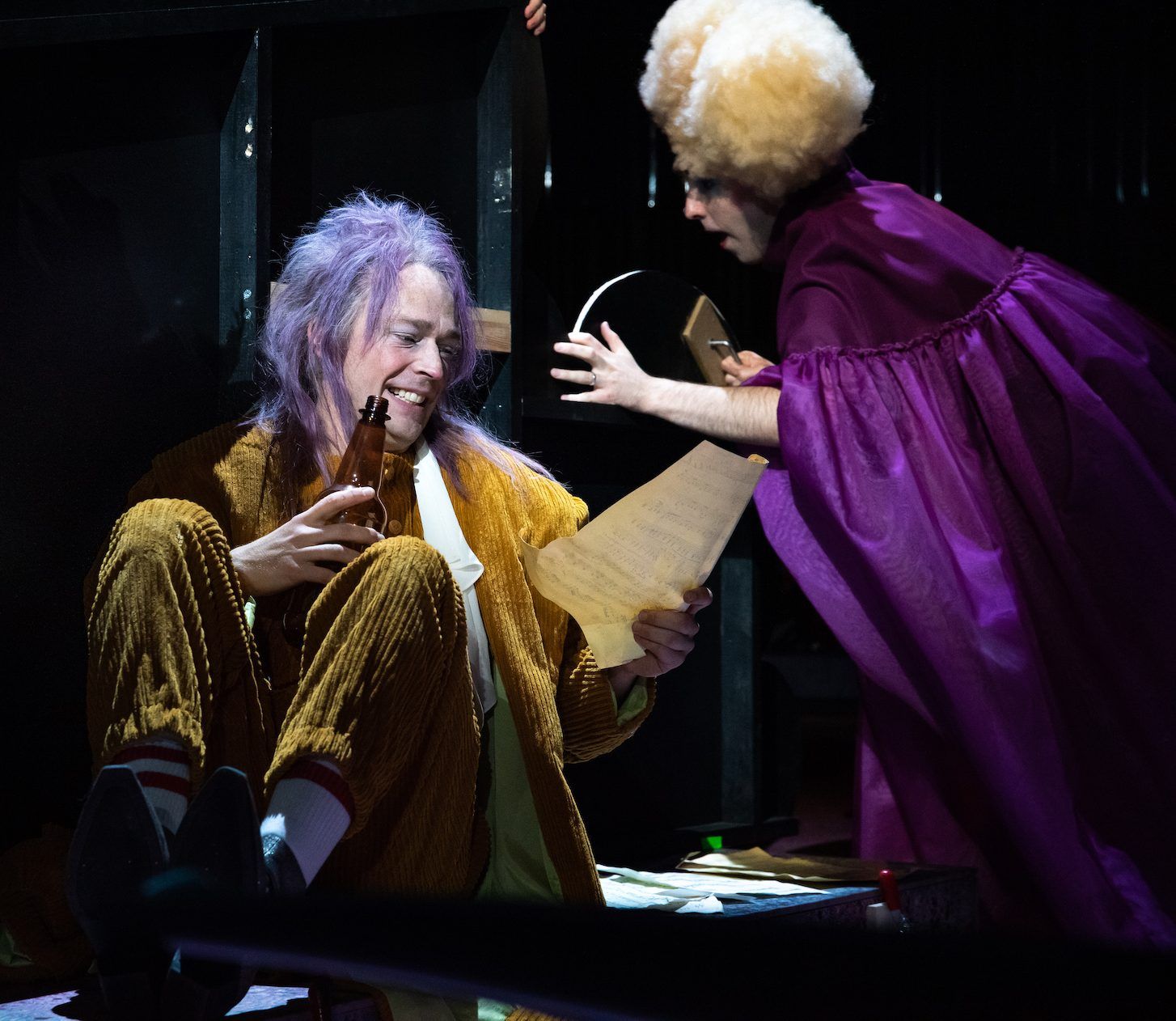

Baroness Gottfriede van Swieten was the head of the library and a patron of the arts. She introduced Mozart to Bach and Handel and commissioned works from him. She also helped organize performances and was a key supporter in spreading Mozart’s music. She was conservative, like many others, but supported Mozart despite their artistic differences.
Teresa Salieri was Salieri’s wife and a singer. We don’t know much about her life and career, but we do know that she supported Salieri in his career and helped him maintain contacts in important circles in Vienna.
Katherina Cavalieri was a soprano and a student of Salieri. She sang in Mozart’s operas, thereby creating tension between him and Salieri. She was respected for her impressive vocal range and technical skills.
Venticello In Italian opera, a venticello is a minor character who typically conveys news or gossip to advance the plot. The term “venticello” literally means “little wind” in Italian and refers to the character’s role as a bearer of information or a catalyst for events in the story.
Giuseppe Bonno was an Austrian composer of Italian origin. He served as court composer and conductor for the Prince of Saxe-Hildburghausen and Joseph II. He composed primarily for vocalists, including operas, oratorios, and masses. In *Amadeus*, he is a silent supporting character.