When America Saved Agder
By Jon P. Knudsen

Emigration to America is a major chapter in Norwegian history.
Hard times at home forced many to seek their fortune in the promised land, America. Emigration from Agder was particularly significant. Relative to the resident population of the region, it is estimated that as early as 1930, over 50 percent of Agder’s population had emigrated if one adds up all emigration that had taken place from the mid-1800s to countries outside Europe. Most of this emigration was bound for North America, and particularly the United States. This makes Agder, together with Oppland, the region in the entire Nordic area that sent the most overseas emigrants. In this note, I will say a few words about the background to why this was the case, and about what it has meant for us that things turned out the way they did.
Past emigration
Traveling abroad was nothing new for the people of Egde. As early as the beginning of the 17th century, young men and women had been finding work and a livelihood abroad. The wealthy Netherlands, in particular, attracted many young people from Egde. The men became sailors, while the women found positions as domestic servants in wealthy households. They brought back to Norway new ideas in the form of goods, services, and customs they had encountered abroad. Trade with the Netherlands was extensive. Some Dutch people also ended up in Norway as a result of trade and shipping. In Flekkefjord, we have the neighborhood of Hollenderbyen as a reminder of this era. Several towns in Southern Norway have a “Hollender Street,” and along the coast, Dutch names like Theis and Tonny are still commonly used.
Rise and Fall
The emigration to America, however, turned out differently. For Agder, it was both extensive and long-lasting. But it got underway relatively late compared to what happened in other parts of the country. We did, however, see a small precursor around 1850 with a brief wave of emigration from Inner Aust-Agder, particularly from Setesdal. Broadly speaking, we count four major waves of emigration from Norway: a first one from the late 1860s, a second from the 1880s onward, a third from the turn of the century until the end of World War I, and finally a fourth wave that began in the early 1920s and subsided nationally by the start of the 1930s, but which, for Agder, continued well into the postwar period. The first wave recruited few people from Agder. Good times, especially for sailing ship traffic from the mid-19th century onward, created an economic boom in the region that is still talked about today. Toward the end of the sailing ship boom, Arendal was likely Norway’s richest city in terms of income per capita—a sort of parallel to what Stavanger became in our own time with oil activity. It’s quite a long way from that to the status the same city was given when Bård Tufte Johansen and Harald Eia tore into Arendal in their “Lille lørdag” programs a few years ago.
The economic boom created employment opportunities in the region, including for people from inland villages where land resources were scarce and alternatives few. The migration of young people—which occurred particularly from the inland villages of Vest-Agder to the wealthier farms along the coast of Aust-Agder—provides a window into how difficult life was for many. As economic conditions grew more difficult throughout the 1880s, the coastal towns could no longer provide employment for a growing population. Then, in 1886, came the great crash in Arendal, an event that hit the banking sector, other businesses, and most people very hard. Historically speaking, this is perhaps the greatest regional economic crisis our country has experienced since the Black Death. We must remember that this occurred at a time when the government’s role in the economy was very limited, and the terms “public works” and “regional policy” had not yet been coined. The region had to fend for itself. It did so poorly.
To illustrate, according to the 1875 census, the counties of Agder—which at that time were known as Nedenes County (Aust-Agder) and Lister and Mandal County (Vest-Agder)—together accounted for 8.4 percent of the country’s population. By 1960, the country’s total population had doubled, but Agder’s share of the total population had fallen to 5.1 percent during the same period. For Aust-Agder, the decline was most dramatic. Here, the share of the national population fell from 4.2 to 2.1 percent during the same period. The region’s decline was prolonged. In a sense, some of the living conditions challenges we still face regionally are lingering effects of the economic collapse at the end of the 19th century.
A tentative and uneven recovery
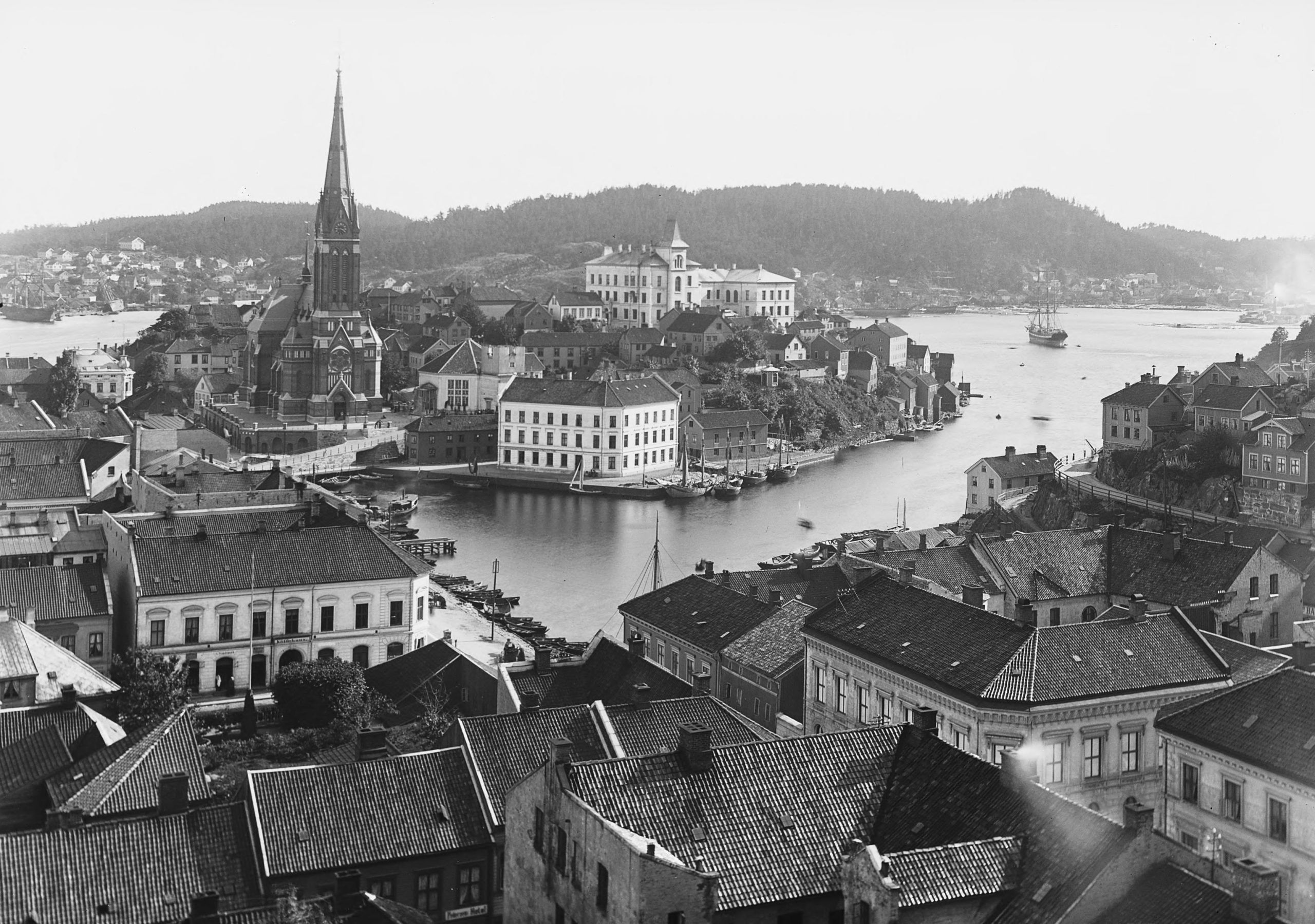
The part of Agder that fared best and recovered most quickly was what we now refer to as the Kristiansand region. This was due to several factors. Some point out that shipping companies here were quicker to switch from sail to steam than was the case further east. Another factor was that Kristiansand, and to some extent Flekkefjord and Mandal, gradually developed a more diverse and robust industrial structure, equipped for a new era. A third factor was that Kristiansand cemented its role as the region’s most important city for public administration—civil, military, and ecclesiastical. A final point is that Kristiansand gradually emerged as the region’s most important transportation hub, both by sea and by land, and eventually also for the nascent aviation industry. These shifts in focus would come to shape settlement patterns in the region.
Until around 1920, Arendal had a larger population than Kristiansand. Since then, the trend has almost consistently favored Kristiansand. The same pattern can be observed within Vest-Agder. In 1890, two-thirds of the population lived in the western parts of the county—what we now refer to as the Mandal region and the Lister region—while one-third lived in what is now the Kristiansand region. Kristiansand was even under the jurisdiction of the district sheriff in Mandal until the early 1900s. Today, more than two-thirds of the population of the former Vest-Agder lives in the Kristiansand region, while the western parts of the county are struggling to retain their one-third share. This is particularly true for Lister.
Domestic alternatives
For many who were seeking a livelihood and a better future, it therefore became necessary to look for opportunities beyond those available in their own region. The growing development in and around Kristiansand at the beginning of the 20th century was not strong enough to act as a magnet for the region’s surplus population. Sam Eyde’s industrial ventures attracted national attention, but locally, the hydroelectric development on the Nidelva River and the establishment of the industrial town of Eydehavn were also too small to meet the regional need for new economic activity. A nearby opportunity was the industrial boom in Telemark. The industrial boom along the waterways in Telemark drew labor from the villages and towns in the far east of Agder. From 1910 onward, for example, a growing number of newcomers from Risør made their presence felt as an addition to the population of the new industrial town of Rjukan.
During the interwar period, efforts to develop new farmland within the country were also intensified. As early as 1908, the company Ny Jord was established. The company’s full name, “Company for the Internal Colonization of the Country and the Reduction of Emigration,” reveals this dual approach. Emigration was viewed as a major problem, particularly from the beginning of the 20th century. It was draining the country of people. In Statistics Norway’s special study on emigration published in 1921, the words “haunted” and “stricken” are used to characterize the impact of emigration on society. The goal was to stop it by utilizing all available resources. This was also the attitude in our neighboring countries. And this initiative had its ideologues.
Knut Hamsun was one of them. In his novel *Growth of the Soil* , he idealizes the settler and his work. Hamsun himself had spent two extended periods in the United States during the 1880s. These stays left him with a negative impression of American society and its development. But the homesteading ideology had little impact in Agder. There was simply too little available land to be found. In Northern Norway and in Hedmark and Oppland, land reclamation activity was significant. For settlers, the new land lay on the other side of the Atlantic.
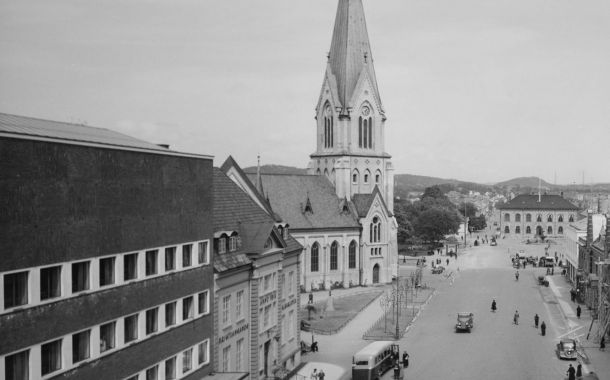
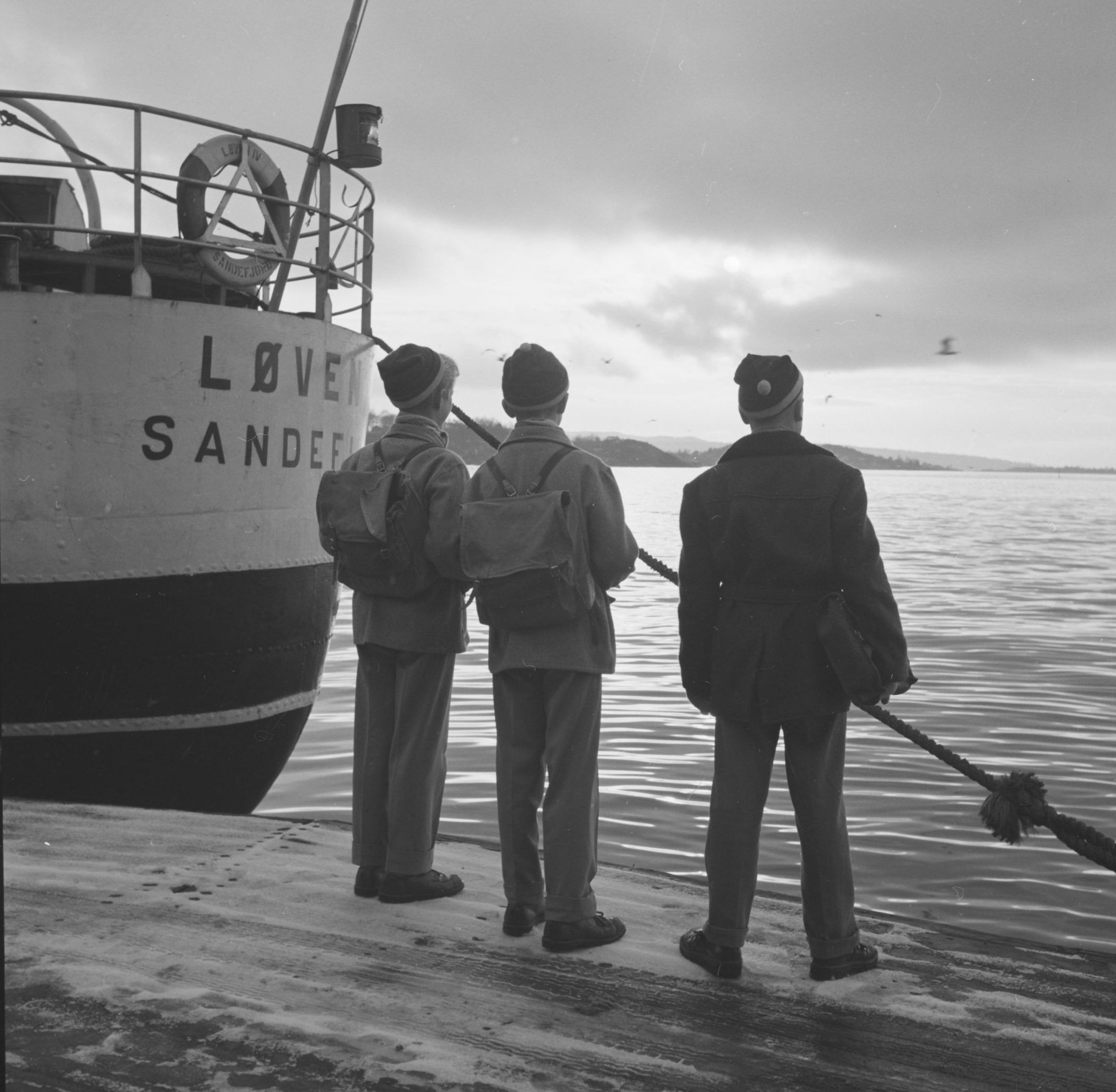
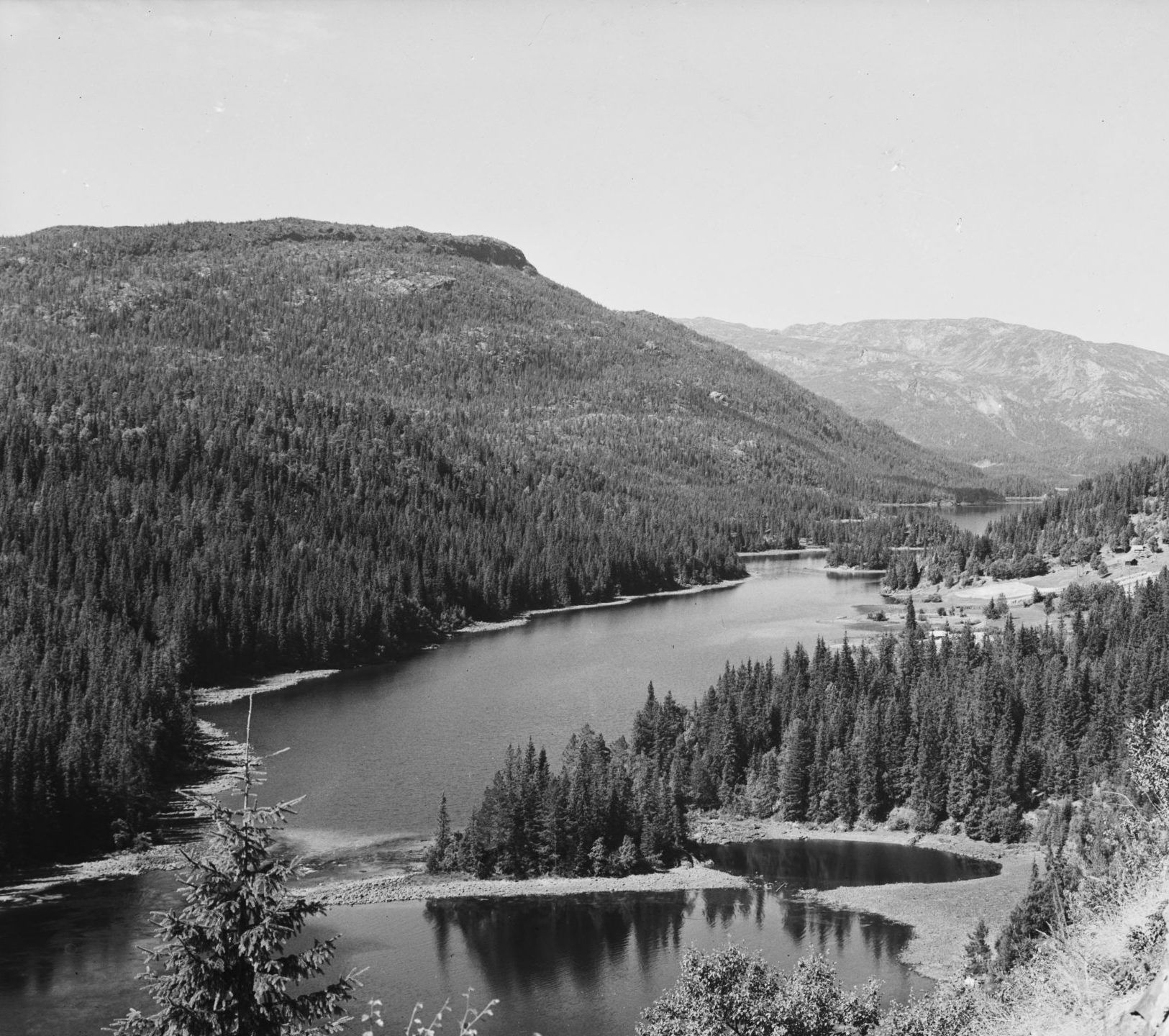
Internal colonization had also been a response to hardship and poverty in the past. In July 1789, a devastating flood, known as the Storofsen, struck the inland valleys of Eastern Norway, leaving entire villages in ruins. This marked the beginning of the extensive cultivation of the valleys in Inner Troms and certain side valleys in Finnmark, which would characterize the first half of the 19th century. People flocked in droves, particularly from Gudbrandsdalen and Østerdalen, to build a new future in the north. Hans Nielsen Hauge, who was actively involved in economic development and the establishment of businesses throughout the country, including in Agder, visited the valleys of Troms and was very enthusiastic about what he witnessed. But there is no indication that he managed to direct any influx of settlers northward.
Emigration is picking up speed
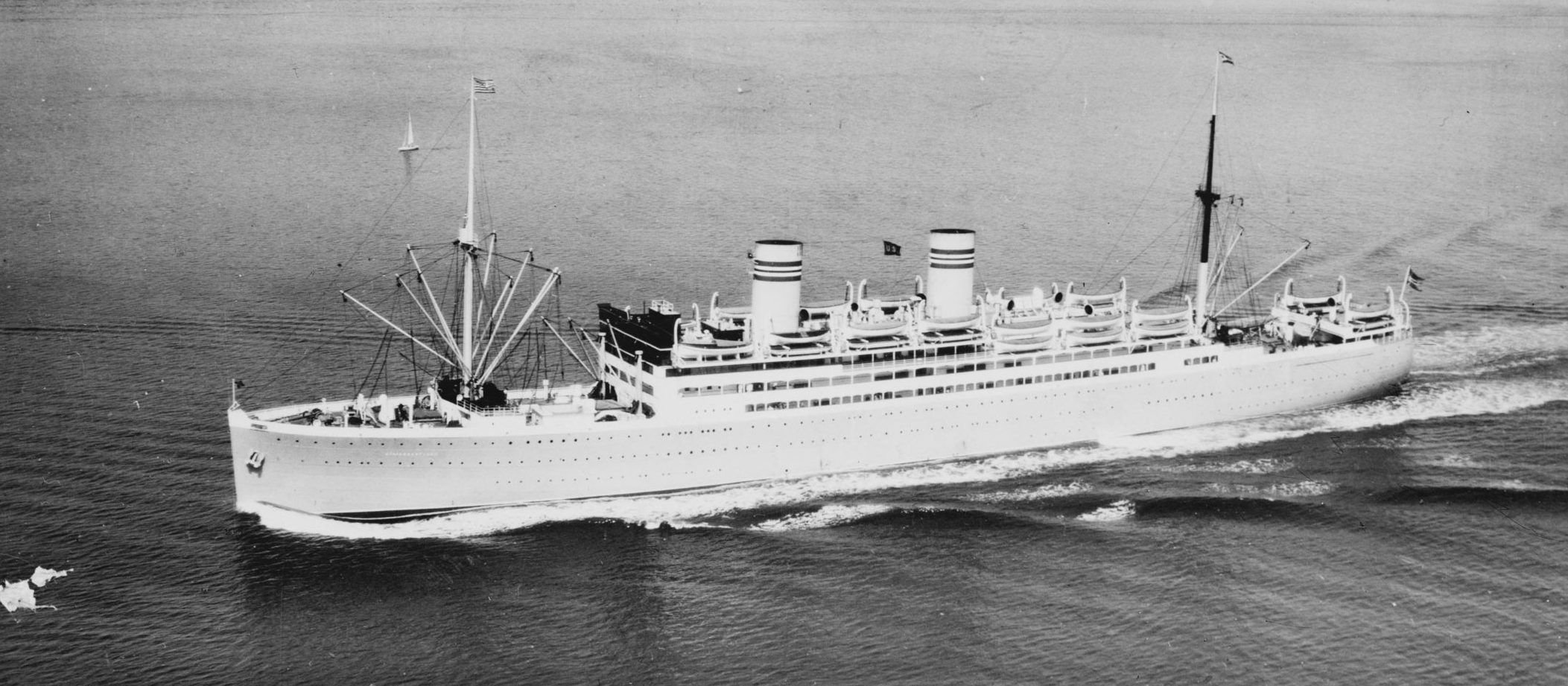
But when emigration to America first began, people left Agder, and Kristiansand became one of Norway’s major ports of departure. The second major wave of emigration drew many people from Agder, and emigration continued from Agder even as it came to a halt elsewhere in Norway. During the interwar period, a new obstacle arose. The United States tightened its immigration policies, particularly after the 1929 crash reduced the need for new labor. The result was that it became more difficult to emigrate. Consequently, the flow of emigrants decreased, and some also sought out other emigration destinations, particularly Canada. Nationally, however, Norway continued to have a net emigration surplus all the way until the end of the 1960s. Only then did Norway slowly begin to become a net recipient of immigration.
If we look at the regional distribution of emigration within Agder, two areas stand out in particular: the rural areas of Lister and the towns of Aust-Agder. Here, annual emigration in the period before and after 1900 amounted to around 2 percent of the resident population each year. Locally, emigration could be even higher. From the former municipality of Herad on Lista, annual emigration during the period 1901–1910 was nearly 3.3 percent. During this ten-year period, the municipality had an average population of 991 residents and a total emigration of 326 people. These are figures we otherwise only find in the country most affected by emigration among all European nations, Ireland. Relatively speaking, emigration was least significant in Setesdal. Kristiansand and the other towns in Vest-Agder fall somewhere in between these extremes.
Viewed from a longer-term perspective, it was these same two regions—the Lister region and most of Aust-Agder—that did not get back on their feet economically until long after World War II. Consequently, the flow of people seeking their fortune in America picked up again somewhat after the war, particularly from the Lister region, though not in the same way as before. Now began the form of long-distance commuting that would characterize the western part of Vest-Agder all the way up to the 1980s: seasonal work in the U.S., particularly in the construction industry on the East Coast. This tradition is vividly portrayed by Siv Ringdal in her book about the American community on Lista. It was not until the large-scale hydropower development began with the Sira-Kvina project in the early 1960s, along with the accompanying industrialization, that employment opportunities truly improved in western Vest-Agder.
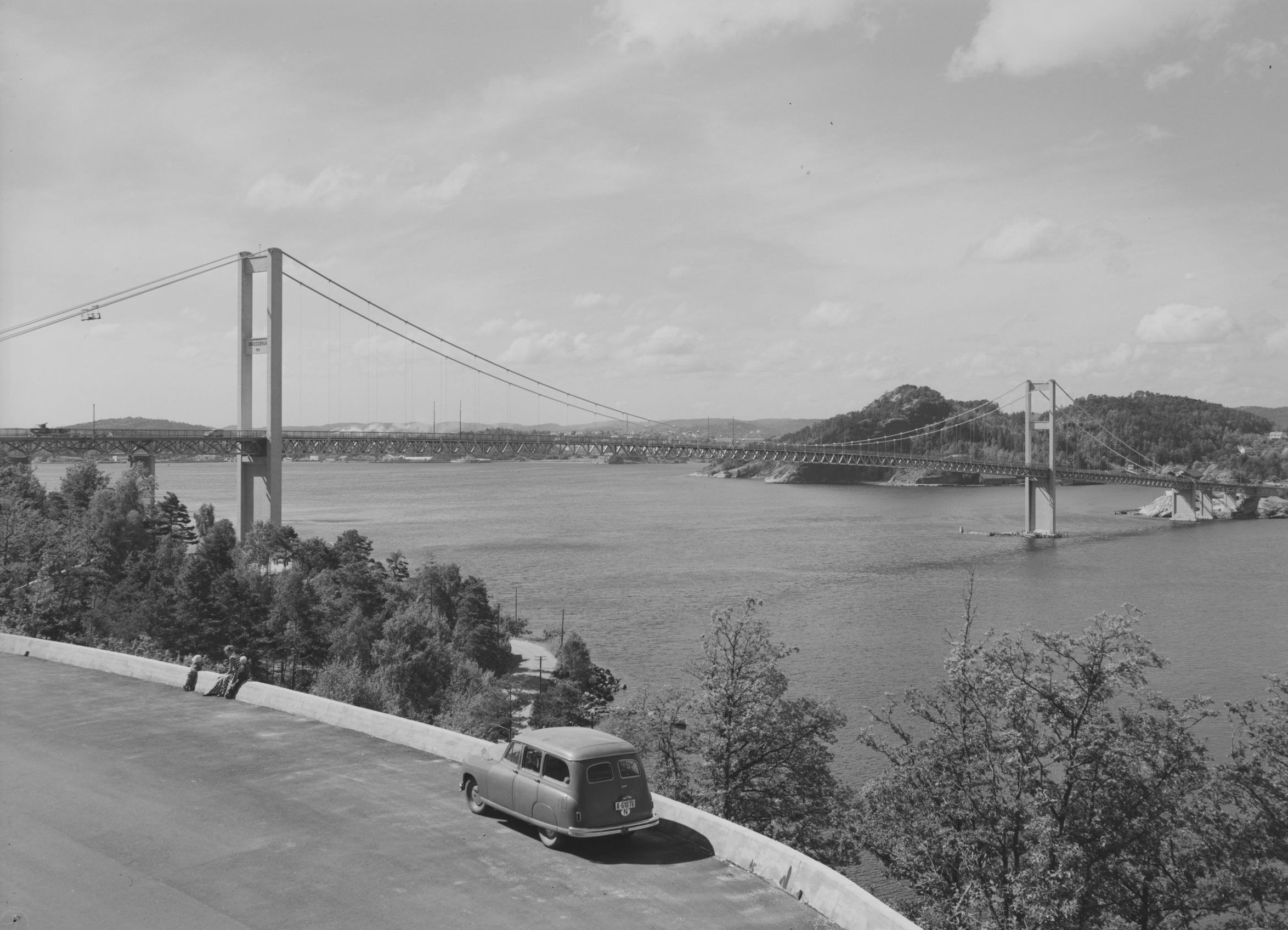
And things weren’t any better further east. The prominent politician Kristian Sundtoft (1937–2015) grew up in Lillesand in the 1950s. He once told me that when, toward the end of that same decade, he decided to study economics in Bergen, one thing was certain: He could never return to Lillesand again. There would be no job for him there. This story speaks to a problem and a growing secondary problem. Not only was there a shortage of work, but the skilled workforce market had not yet opened up. Lillesand was a sleepy port town with no connection to the labor market in Kristiansand. It was only after the Varodd Bridge was completed in 1956, and the road through Høvåg was improved a few years later, that the foundation was laid for a new era. Thus, America came to Lillesand in the form of the industrial company Norton Company, which established a smelter just outside the town. Sundtoft also found a job there. He didn’t have to leave for America or Oslo. Today, there is hardly any place in Southern Norway where opportunities are more plentiful and the level of education among the working population higher than in Lillesand.
Land and Maritime Transport
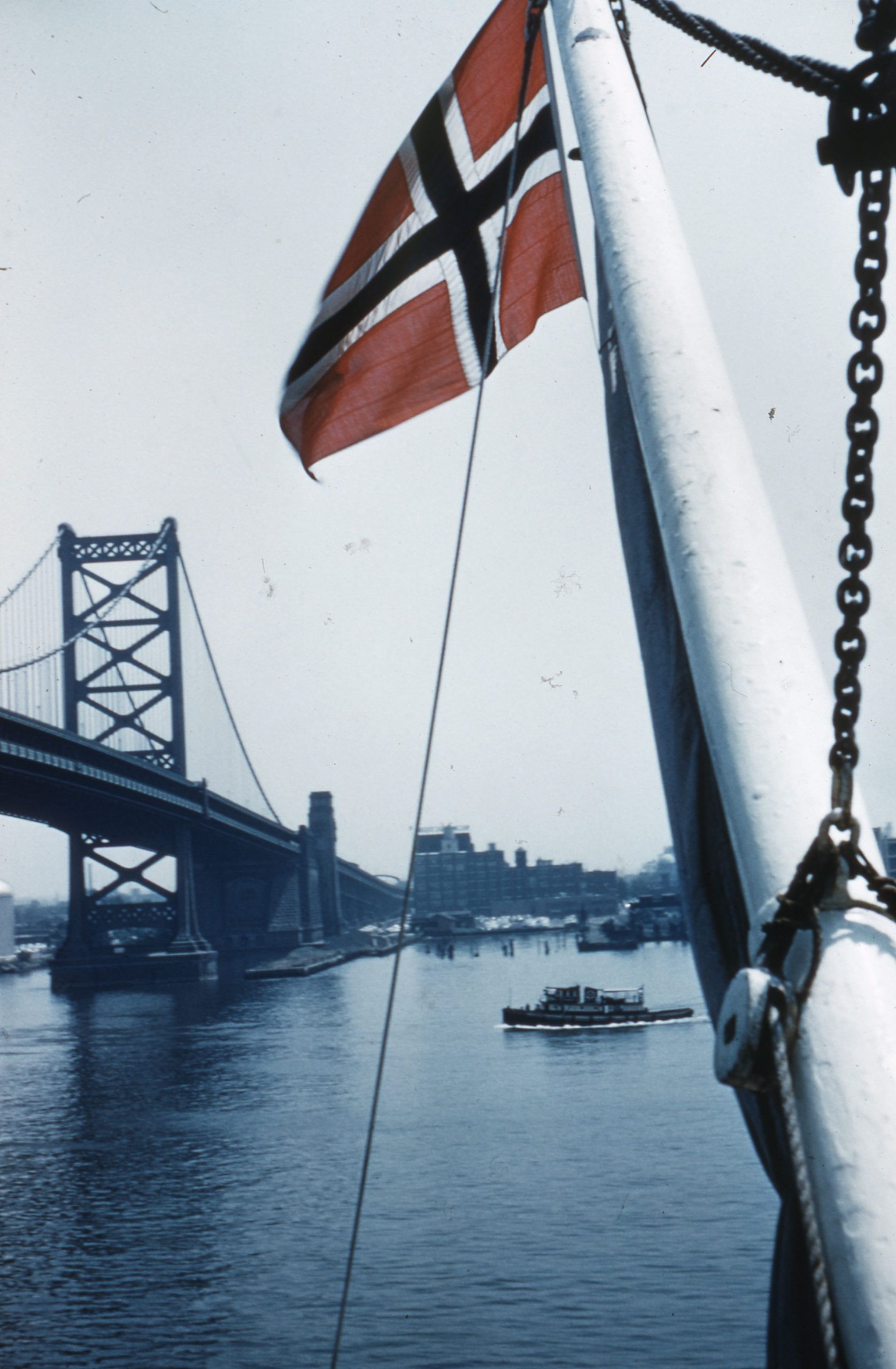
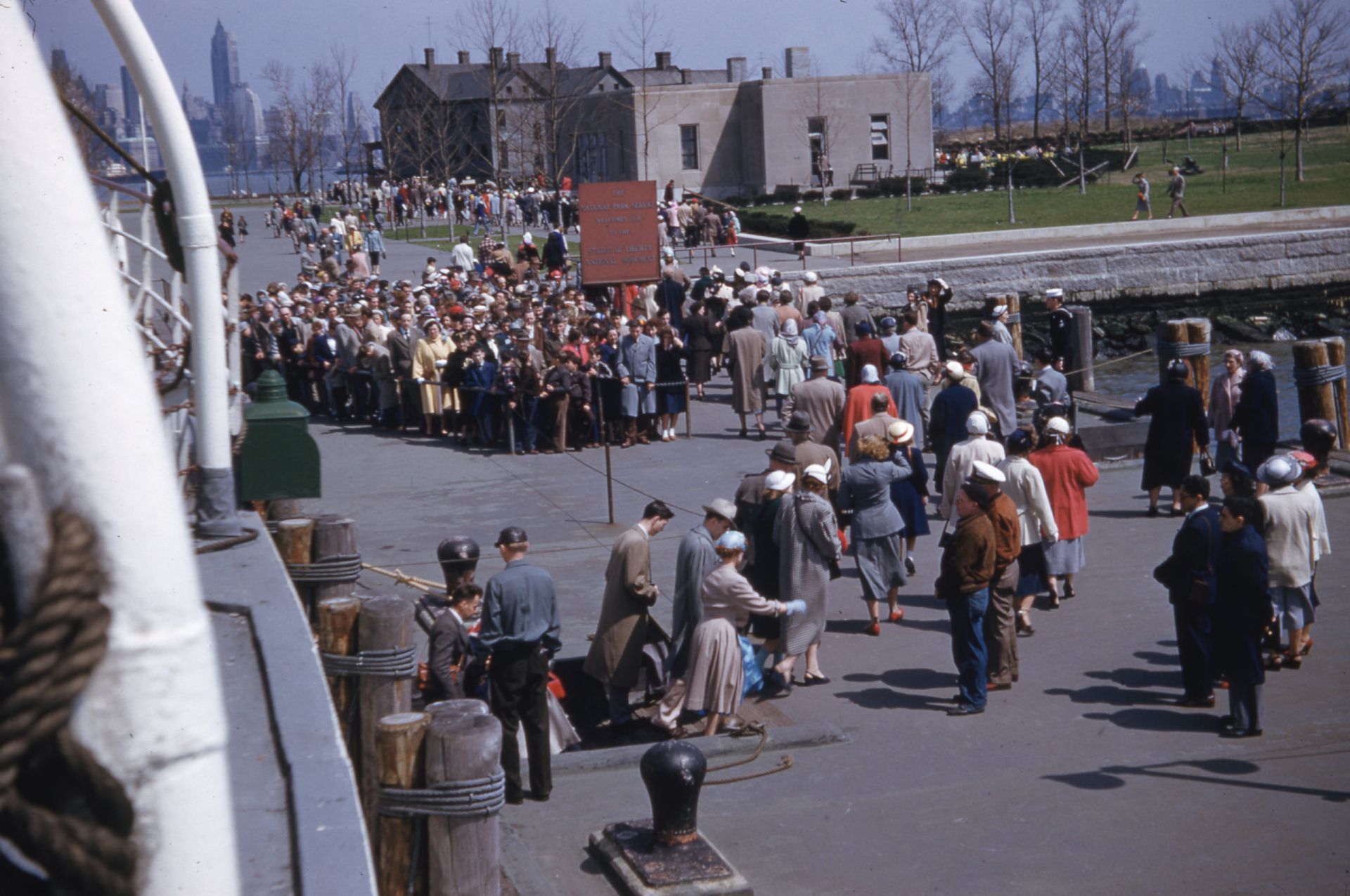
When we talk about emigration, it is often the search for land and the journey to the prairies that are highlighted. This is where we find “Norwegian America.” For many emigrants, this was the case. They headed for the Midwest and became farmers. For many people from Southern Norway, this was also the case, but for an increasing number of them, things were different. It was seafaring that tied them to foreign lands and linked them to emigration. This was also the case elsewhere in the Nordic region. Areas with significant international shipping, such as western Sweden and Finnish Ostrobothnia, saw more overseas emigration than other parts of those same countries. Consequently, American coastal cities also became more important destinations for emigration; for many Southerners, Brooklyn in New York became such a port. Many also ended up in Chicago, at the end of the great “trails.” On the West Coast, San Francisco and Seattle became such cities in more recent times, albeit on a smaller scale than New York.
This pattern is consistent with what we otherwise observe in migration, both over short and long distances. Connecting lines convey information about opportunities, which in turn encourage others to follow in the footsteps of those who went before them. Seafaring and emigration created such lines to distant places, where local communities often formed among people who came from the same region back home in Norway. In the early 1900s, several locally defined immigrant associations emerged in America, much in the same way that newcomers to Oslo founded clubs and associations that celebrated their hometowns. The long lines carried more interesting information than the local ones. In English, this phenomenon has become known as “the strength of weak ties.” Today, this has almost become a credo for the increased internationalization of the economy and business: Follow the long, uncertain lines to new opportunities! In our region, seafaring bound people together more than elsewhere. Traveling far was natural. It has been this way right up to our own time. If we look at the immigration currently taking place in Norway, it follows the same logic. Immigrants often come from the same areas in their country of origin where information about opportunities in Norway can circulate within local communities or among relatives, who are thus overrepresented among those who emigrate.
There is another side to the connection with seafaring. Because work at sea required long periods away from home, there was always a community of Norwegian sailors in foreign ports. For some of them, this suited them just fine. Others were left behind. In earlier times, some crew members also deserted Norwegian ships to seek their fortune abroad, not least in America, where they might find better prospects or hope for higher wages on a foreign ship. Sometimes things went wrong for those who lingered abroad, year after year. In Brooklyn, a colony of ragged sailors emerged on a landfill site during the interwar period, known as the Sur Desert. After the last war, the displaced Southerner, Reidar Wennesland, worked as a doctor and psychiatrist in San Francisco among Norwegians who had remained in the area around the city. When Wennesland returned home to Norway, he brought with him a unique collection of American Beat art from the early postwar period. This collection is currently on display at the University of Agder and Kristiansand Cathedral School, and is the largest collection of such art outside the United States.
The tide is turning
When the new era dawned in Aust-Agder, the population finally began to grow as well. Particularly in the 1980s, the central part of the coastal strip—the stretch between Arendal and Lillesand—saw some dramatic increases. Then we observed something strange: In the mid-1980s, Aust-Agder was the country’s fastest-growing county in terms of relative population, and at the same time, the same county had the country’s highest unemployment rate, percentage-wise. Southern Norway, which had itself sent off several generations of emigrants, was now virtually invaded by highly educated workers from other parts of the country—workers who could fill the new jobs that the first postwar generation of Southerners had not qualified to take. This created tension in the region. Andreas Hompland from Kvindø has named the phenomenon behind it; he called it the “newcomer plague.” Some went so far as to claim that the entire region had awakened from a century-long slump, only to find itself colonized by people and attitudes that had no roots in the region’s own culture. From here, there is an almost direct line to the online publication Sørlandsnyhetene, and to the political earthquake that came with the 2019 municipal election in Kristiansand.
This pattern is consistent with what we otherwise observe in migration, both over short and long distances. Connecting lines convey information about opportunities, which in turn encourage others to follow in the footsteps of those who went before them. Seafaring and emigration created such lines to distant places, where local communities often formed among people who came from the same region back home in Norway. In the early 1900s, several locally defined immigrant associations emerged in America, much in the same way that newcomers to Oslo founded clubs and associations that celebrated their hometowns. The long lines carried more interesting information than the local ones. In English, this phenomenon has become known as “the strength of weak ties.” Today, this has almost become a credo for the increased internationalization of the economy and business: Follow the long, uncertain lines to new opportunities! In our region, seafaring bound people together more than elsewhere. Traveling far was natural. It has been this way right up to our own time. If we look at the immigration currently taking place in Norway, it follows the same logic. Immigrants often come from the same areas in their country of origin where information about opportunities in Norway can circulate within local communities or among relatives, who are thus overrepresented among those who emigrate.
There is another side to the connection with seafaring. Because work at sea required long periods away from home, there was always a community of Norwegian sailors in foreign ports. For some of them, this suited them just fine. Others were left behind. In earlier times, some crew members also deserted Norwegian ships to seek their fortune abroad, not least in America, where they might find better prospects or hope for higher wages on a foreign ship. Sometimes things went wrong for those who lingered abroad, year after year. In Brooklyn, a colony of ragged sailors emerged on a landfill site during the interwar period, known as the Sur Desert. After the last war, the displaced Southerner, Reidar Wennesland, worked as a doctor and psychiatrist in San Francisco among Norwegians who had remained in the area around the city. When Wennesland returned home to Norway, he brought with him a unique collection of American Beat art from the early postwar period. This collection is currently on display at the University of Agder and Kristiansand Cathedral School, and is the largest collection of such art outside the United States.

Relocation and return
When it comes to migration, we all know that every flow has its counterflow. It is also true that there is often a correlation between the scale of inbound migration and return migration, even if there can be significant time lags between the two. This was also the case with emigration to America. The returning Norwegian-American eventually became a fixture in the local cast of characters, both admired and somewhat ridiculed, as in Astow Ericson and Otto Nielsen’s song, “It Was Christmas Eve in the Forest.” A great many left, and eventually many returned. Over time, we can estimate that just over one in three emigrants moved back to Norway. Of these, roughly 8 out of 10 returned to their hometowns, though this estimate is somewhat uncertain. As early as the beginning of the last century, there was a noticeable presence of returning Norwegian-Americans in the population, particularly in the rural areas of Vest-Agder.
The reasons for returning home varied. Some had achieved their goals and earned enough to settle in Norway. Others longed for home or couldn’t adjust to life abroad. Still others failed. The American Dream turned out to be a failure rather than a success. The latter often became a problem for those who experienced it. Expectations of America were so high, and it was embarrassing to fail. I myself remember how, in the early 1960s, we waited for the ship from America to dock so we could meet our legendary relatives who literally showered their relative wealth upon us locals. They had been preparing for the visit for years by sending dollar bills in the mail to us kids. It was currency we could take to the bank to get a staggering amount in Norwegian coins. Over the counter, we were handed 7 kroner and 14 øre right into our hands, with no fees. When the suitcases from America were unpacked, there were Hawaiian shirts, aviator sunglasses, pull-back cars, sleeping dolls, and candies with unfamiliar flavors and colors for the whole family.
As we approached the present day, much of this was scaled back. It became easier to travel back and forth. At the same time, the differences in living standards between Norway and North America were leveled out. I myself had an aunt who married an emigrant from Setesdal, Ed Brokke, who had made a name for himself as a contractor in Ketchikan, Alaska. When he died in the late 1970s, she moved back home to Norway. Pretty soon she realized that, materially speaking, she was just as well off in her old country as she had been “over there.” Today, this is even more the case.
What we lost, and what we gained
Let’s try a thought experiment. What would have happened if our region hadn’t suffered a severe economic downturn at the end of the 19th century? If we do the math and assume that the region had managed to feed its inhabitants to the same extent as it did in the heyday of the sailing ship era—meaning that in 2022 we would have accounted for 8.4 percent of Norway’s population—we would today number just over 450,000 people. That means there are just over 140,000 of us missing beyond the nearly 310,000 who live here today. Much of this shortfall can be found among those who emigrated to other countries, primarily to North America, but many have also had to find a new home within Norway.
It’s easy to say that if things had turned out that way, we would have had a population roughly the same size as Trøndelag or Rogaland. We would have had a larger regional economy. We would have had 14 or 15 seats in the Storting instead of 10. It might also have been impossible, even for the Labour Party, to form a government without including a minister or two from Southern Norway. But would we have been better off? Part of the challenge of being a small, specialized region economically is that we become vulnerable. It’s bad to be small and vulnerable, but it’s not much better to be vulnerable as a large region. Rogaland after the oil boom illustrates some of the challenge. We already know that regions with a diverse business and labor market fare better than regions where all their eggs are in one basket. Urban regions like Oslo, Bergen, and Trondheim are now better off than the Stavanger region, even though we currently have a well-developed welfare system and a public economy where crises are better managed than before. More important than being large, therefore, is having breadth in the business sector and employment. If there is one thing the crisis of the 1800s can teach us, it is how dangerous it is to be one-sidedly dependent on a single type of economic adaptation.
When things went awry in Agder, emigration saved us. And then we got a lot back in return. It’s a simple truth that when some people leave, there’s more room for those who stay behind. The pressure eases. Emigrants also send money home, then as now. What strikes us most, however, is how contact with America leaves its mark, both physically and culturally. Siv Ringdal writes vividly about this in her book on the American Lista, describing how architecture, language, and manners gradually took on the character of the exchange with America. I will therefore limit myself to pointing out two areas where the influence from America is clear: religious and political culture.
Religious influence
Contact with other countries left a lasting mark on the region’s religious life. Since the 1850s, the southeastern Norwegian coastline from Halden to Egersund has been characterized by the type of non-Lutheran Protestantism found primarily in Great Britain and the United States. Both Baptism and Methodism came to Norway via sailors, in both cases after the founders of the religious communities had encountered these movements in the United States. The thriving ports along the coast attracted preachers and emissaries of all kinds, and the variety of religious communities quickly grew. Arendal, along with the area around Langesundsfjorden in Telemark, was particularly marked by this new type of religious life, which eventually came to be known collectively as the Free Church movement. To this day, the entire coastal strip from the Swedish border in the east to Dalane in the west remains a core area for this form of Christianity.
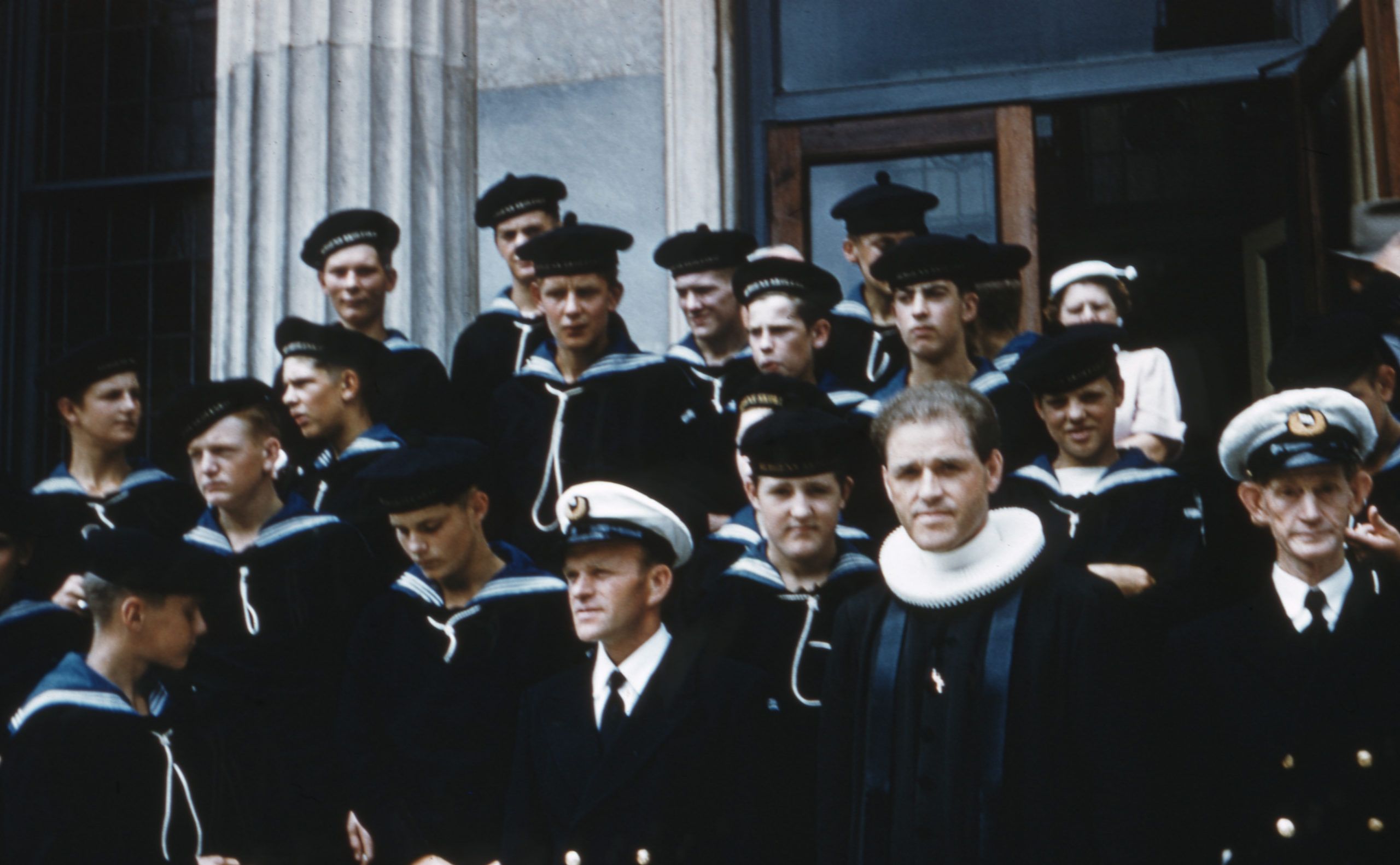
The Lutheran lay movement, too, would be shaped by its contact with America. My own grandfather, Iver M. Knudsen, is part of this story. He was originally from the small outlying island of Brattvær off the coast of Smøla, where he grew up as a fisherman. After a series of shipwrecks that hit the local community hard, he decided to emigrate. He arrived in the U.S. in the early 1900s, where he tried his hand at being a cowboy and attended Bible school in the Midwest. After a few years, he returned to Norway and, during the interwar period, became the leader of the Free Church congregations in Songe in Holt and in Arendal. For a time, he also served as synod president (supreme leader) of the Evangelical Lutheran Church in Norway. He brought cultural baggage home with him.
To this day, the religious atmosphere in Agder—and especially along the coast—has had an American flavor to it. John Olav Larssen, often called Norway’s Billy Graham, was the carpenter from Egersund who brought the American tradition of tent meetings to Norway and to Justøya, which became his summer base. Aril Edvardsen is another example of an American-inspired preacher. Hans Sarons Dal gave the Americanized free church movement another twist. Edvardsen himself slipped into the Lister tradition of living part-time in Kvinesdal and part-time in Florida—the “Norwegian Brooklyn” belonged to the previous generation. He was at home in both places, spiritually as well as physically. He also gave another crossover figure from the American Agder a stage to perform on: Kjell Henning Bjørnestad, alias Kjell Elvis. The Elvis impersonator, who continues to embody the American cultural import, was a welcome guest in Sarons Dal. The seamless transition between the secular and the religious that much of American popular culture represents still characterizes Agder, perhaps more so than elsewhere in the country. Shortly after my grandfather traveled to America to attend Bible school, his half-sister, Olava, also went to America. But she didn’t end up at Bible school. Instead, she became a housekeeper for the actor Cary Grant in California. From there, she sent the film icon’s discarded suits to her brother’s family in Norway. Such items came in handy in a pastor’s home with many children and tight finances.
The political dimension
Contact with America also provided political inspiration, but it is more difficult to pinpoint the extent of this influence within our own region. While religious ties with America came to set Agder apart from the rest of Norway, it is probably accurate to say that the political inspiration had more of a national than a regional impact here at home. For many European emigrants, political freedom in the United States was important. Today, when we talk about American politics, we perhaps tend to think of the forms of neoliberalism that came to shape the world after Ronald Reagan took office as U.S. president in 1981, or of the populist shift we have recently witnessed with Donald Trump.
Historically, it is equally important to note how the political shift toward America that took place throughout the last century—and particularly after the last war—was fostered by personal contacts and experiences across the entire political spectrum. The Labor Party’s great organizer, Martin Tranmæl, had learned much of his political craft as a wandering emigrant in the United States before World War I, and he drew direct inspiration from the way the American labor movement operated for his own political work in Norway. Haakon Lie, the Labor Party’s prominent and combative party secretary during the Gerhardsen era, was married to an American and spent much of his time in America. In defense and security policy, he was perceived by many as more pro-American than any American could be. Since I have mentioned the importance of shipping for emigration, we can note that the central figure in the development of the American labor movement among seafarers, Andrew Furuseth, was an emigrant from Norway—admittedly not from Southern Norway, but from Romedal in Hedmark.
Since the end of World War II, the global political order has often been described as the Pax Americana. We witnessed a realignment of political and economic life in which the world was divided into spheres of influence, and where there was essentially only one superpower: the United States. It is this structure that recent attacks on international regulations governing economic relations between nations have targeted. Among those who, based in the U.S. until the end of the war, helped shape this new economic world order—building on the legacy of Roosevelt’s New Deal—we find at least one man from Southern Norway: Ole Colbjørnsen. The former communist from Vegårshei and Risør became one of modern Norway’s foremost economic architects, though along the way he had traded communism for American pragmatism.
Postwar political debates were numerous and heated. Views on America were central to the discussions, then as now. To understand some of the lines of conflict in these debates, we may find inspiration by revisiting the work of one of Southern Norway’s great writers, Jens Bjørneboe, and his collection of essays *We Who Loved America*.
Conclusion
The crisis that struck Agder in the latter part of the 19th century was greater than the region itself—or the country as a whole—could handle. Emigration to America therefore became the solution for many who saw no future in their homeland. We can safely say that, in this way, America saved the region from a disaster that could have unfolded far more tragically than it actually did. Once emigration became a reality, it is worth noting the many positive impacts it had on the region itself. Not only did many emigrants send money back to their loved ones at home, but new customs, cultural forms, and ways of thinking also found a place in the local culture, not least through return migration and seasonal long-distance commuting. Thus, Agder was woven into a new era—and changed forever. Now this is part of our regional cultural heritage.