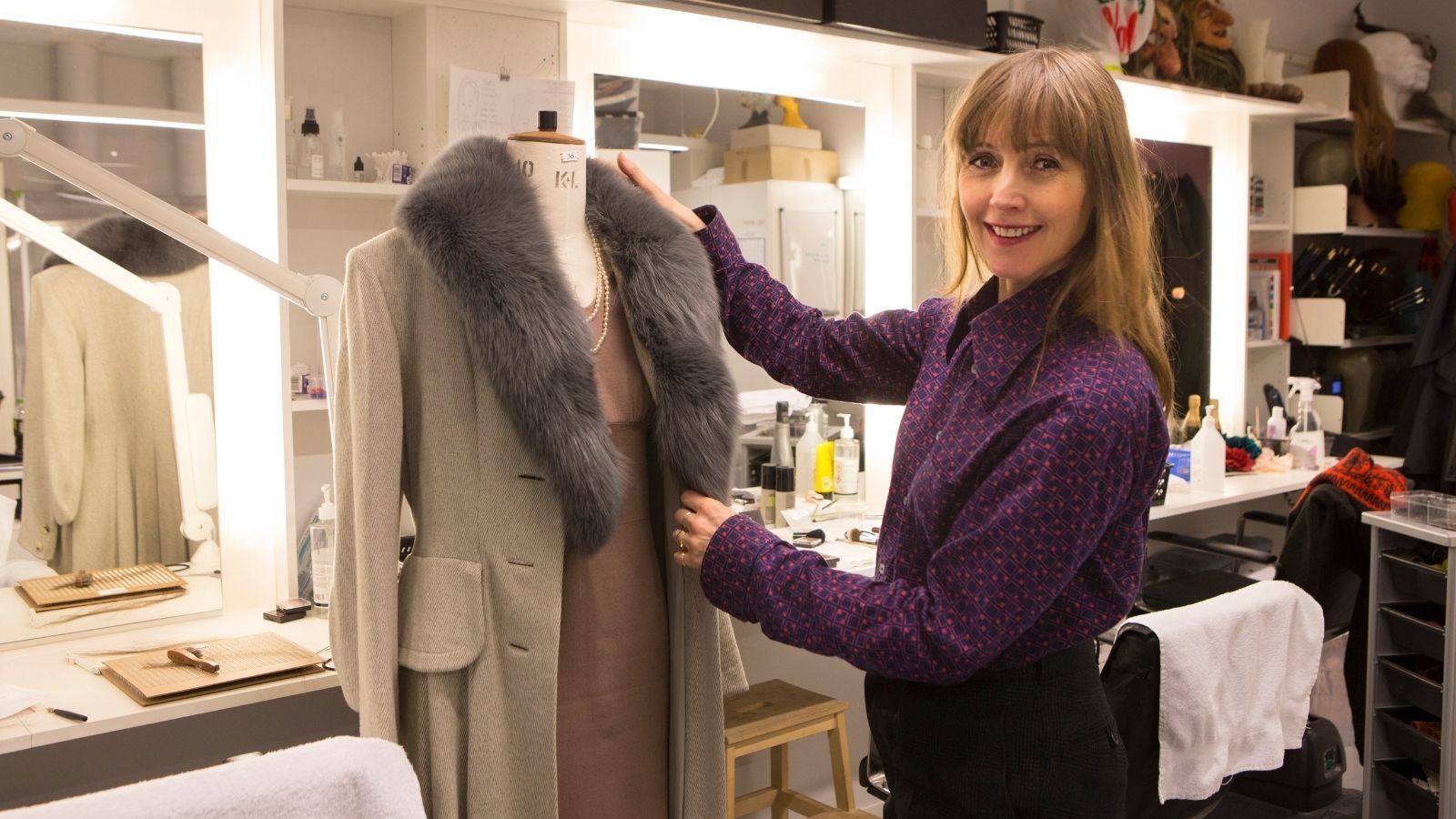
– A real scoop of a role
Petronella Barker
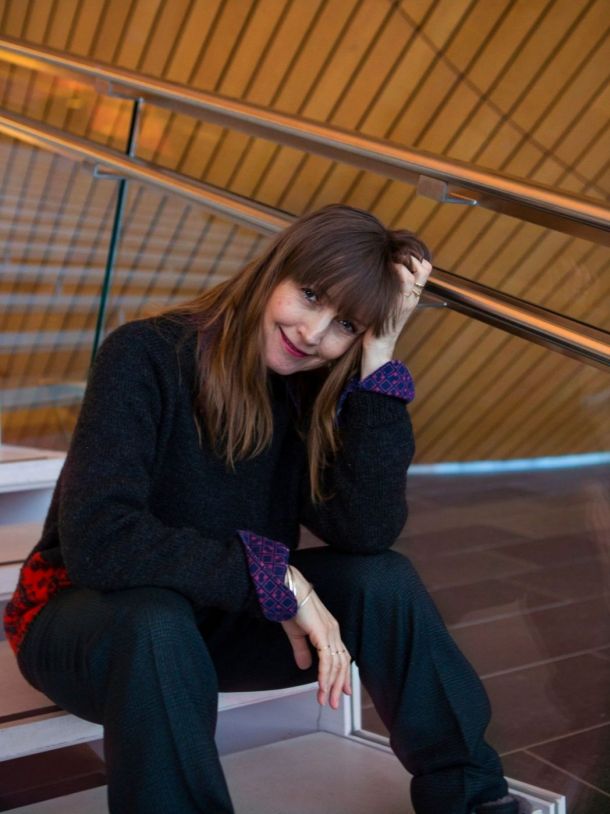
Lyubov in *The Cherry Orchard* is quite a mystery to lead actress Petronella Barker. She finds that very exciting.
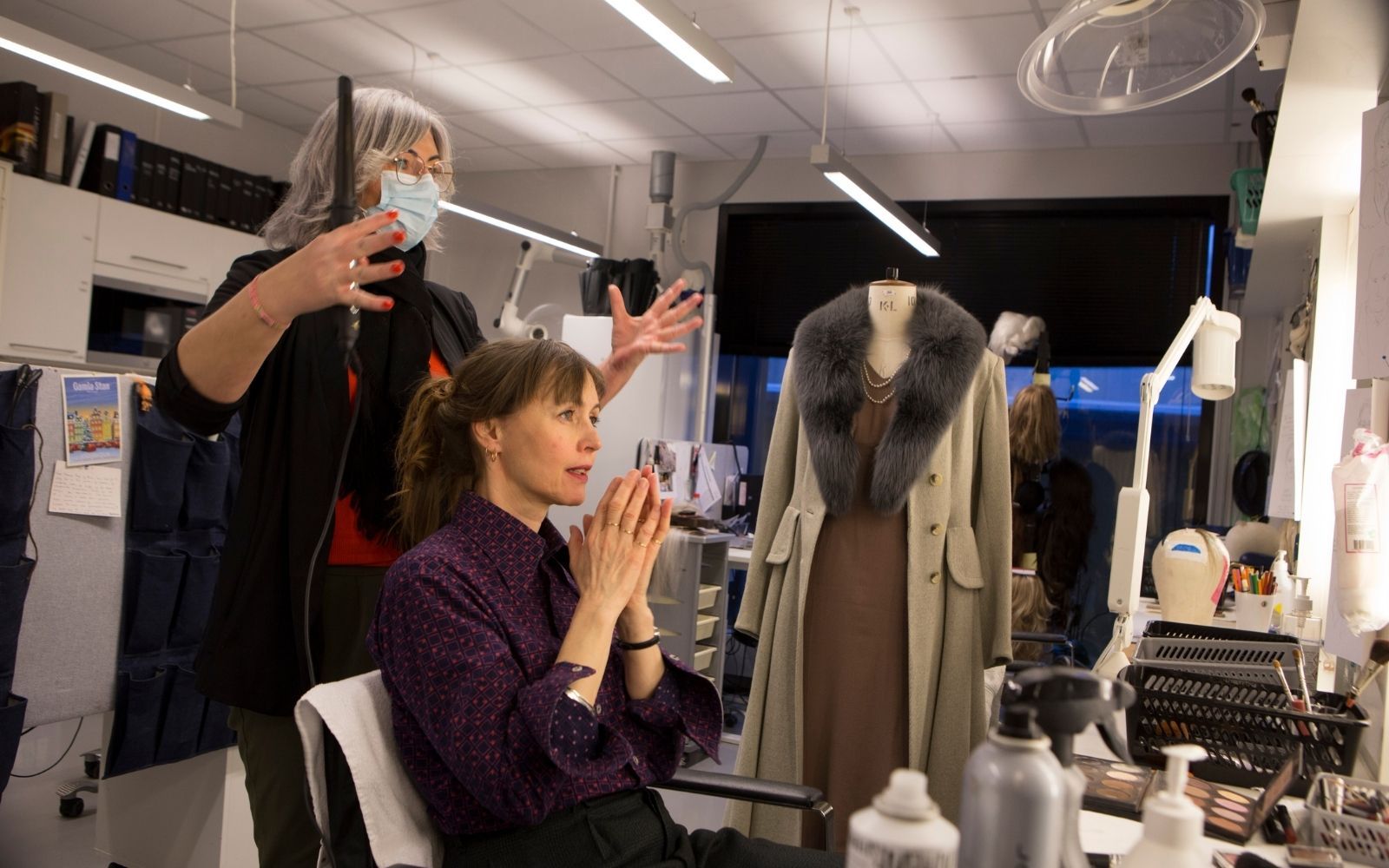
Petronella Barker is drawn to the complexity. The contradictions. The many facets of the lead role in Anton Chekhov’s *The Cherry Orchard*.
“Ljubóv is one of the great classic female roles. It’s a real gem of a role,” says Barker of the landowner’s widow she will portray at Kilden.
Lyubov Ranevskaya returns to her homeland of Russia after many years in Paris and is confronted with a new and brutal reality: the family estate and the beautiful cherry orchard surrounding it are in danger of being sold at a foreclosure auction. At the same time, she is confronted with painful memories from the past. Lyubov is a complex character, with conflicting emotions about the situation she faces.
– She’s complex and a bit of a mystery. It’s fun to play a role where you get to explore different sides of yourself. It takes time to figure her out, and it’s really exciting to try to uncover who she is when she meets me, and who I am when I meet her. It’s always interesting to play someone you don’t fully understand right away and who has many layers to their personality, says Barker.
Always relevant
Chekhov is considered one of the greatest playwrights in history. He ranks among the very best, alongside figures such as William Shakespeare and Henrik Ibsen. *The Cherry Orchard* depicts a changing world and explores themes such as class systems, social development, and the conflict between the past and the present.
And even though the play is set in Russia over 100 years ago, it remains relevant today.
“People don’t change that much over the course of a hundred years; it’s the same issues that concern us. Some plays are classics because they manage to convey a truth about what it means to be human and the lives we lead. If a play achieves that, it will remain relevant for future generations as well,” says Barker about the play.
In a conversation with Kjetil Nordhus of Kilden, she explains in the Petronella podcast that Chekhov has an eye for the absurd—and a heart for the human condition. Barker describes exploring her role as “a never-ending detective’s work,” and much can change from one evening to the next.
“As actors, we try to find the tension where it arises—where people talk to each other, and talk past each other. We’re together in the performance space and fill that space with real life, with heart, with soul, and with flesh and blood,” she explains.
– People don’t change that much over the course of a hundred years; it’s the same issues that concern us. Some works are classics because they manage to convey a truth about what it means to be human and the lives we lead.
Community on stage
Barker is currently a permanent member of the National Theater. Her career began when she was seven years old and decided to become an actress. It was a good decision. With a smile, she claims that it’s the only thing she’s good at. Barker has appeared in a number of films and TV productions, but it’s the theater she values most of all, she says in the podcast.
– I love the immediacy of standing in front of an audience every night. It’s something new every time, because the audience is new, and they contribute to the performance to a much greater extent than they realize, through the energy and focus they bring into the performance space. It’s exhilarating. As an actor, I also have more control over my expression on stage than in film. When you’re on stage, you’re riding a wave. There’s a sense of community with the audience and the other actors, and it’s a truly wonderful feeling.
- Learn more and buy tickets for The Cherry Orchard
- Listen to the podcast with Petronella Barker
- Listen to the podcast about *The Cherry Orchard* with dramaturg Endre Sannes Hadland
Text: Jan Frantzen
Photo: Heida Gudmundsdottir