Kilden
Inspirational sessions for managers
Leadership is about using yourself as a tool to create value through others. It assumes that you know yourself and are wise in how to interact with others.
Throughout the millennia, humans have played theater and created art to promote human cognition and development. Art has a special ability to touch and open up spaces that we would not otherwise come into contact with. It makes us see reality and ourselves in new ways.

Leadership program
Kilden a leadership program spanning 4–8 half-days. The program harnesses the power of the arts in combination with leadership theory and research. The sessions take place at Kilden the venue’s many stages, productions, and spaces will provide a compelling setting. It will be like stepping into another world for half a day, allowing oneself to be moved by central human themes in close proximity to actors, musicians, and the performing arts.
Each session includes professional presentations on leadership development, artistic elements, and group exercises and reflection. All topics covered will be translated into practical tasks and exercises designed to be useful in everyday life. The sessions will consist of three hours of professional and artistic content, followed by lunch.
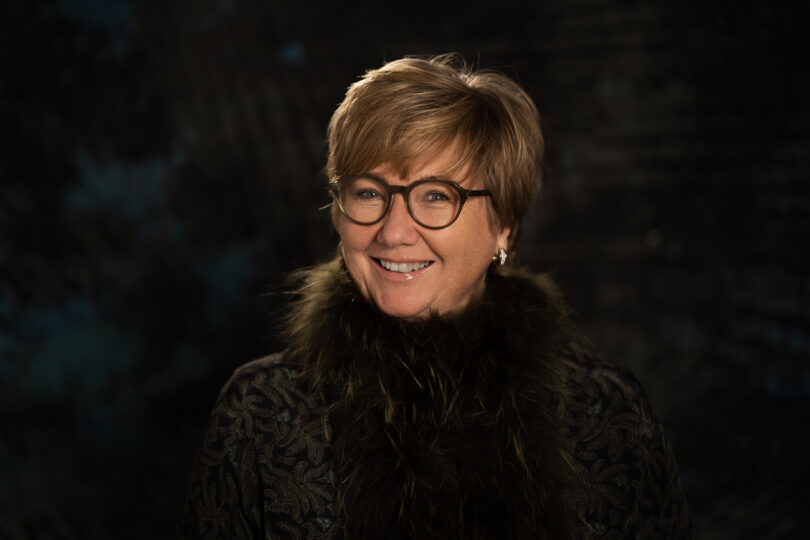
Heidi Minde from Keiron is the academic director of the collections: About Us – Keiron
Collections 2026

Teamwork and "bringing out the best in each other"
For a business to succeed in achieving its goals, effective collaboration among employees is absolutely essential. It’s about leveraging the unique expertise each employee brings to the table—to find the best solutions together. Diversity and different perspectives can be a strength, but they can also present challenges. Disagreement and friction arise easily, and it takes both awareness and willingness to use diversity as a resource. What characterizes a well-functioning team where members truly learn from one another? What does it take to get there? And how can we learn to listen to differences with an “open ear”? This collection is about successfully building strong, learning, and well-functioning teams within the organization.

Narrative leadership and the power to define reality
Leadership is about creating meaning. Good leaders have strong, well-thought-out narratives about where we come from, who we are, and where we are going. Organizations contain both good and bad narratives, and the way a leader defines reality influences the actions and engagement of employees. This collection is about narrative leadership—the art of shaping reality through stories to achieve results. An actor is a master of communication and storytelling, so what could be better than learning this in Kilden’s beautiful surroundings?

Charismatic Leadership—A Strength and a Curse

Psychological safety—a prerequisite for effective processes
Why do some teams succeed better than others—even when their qualifications on paper are the same? The answer often lies in psychological safety. When employees feel comfortable asking questions, sharing ideas, and challenging established truths, the foundation is laid for innovation, engagement, and learning. In this session, you’ll gain insight into what psychological safety really entails and why it’s key to building resilient organizations in an era of rapid change and constant disruption. You’ll also receive concrete examples and practical tools that show how you, as a leader, can foster psychological safety—without losing focus on performance and results.
Contact person
Photos from previous gatherings




Key partners


Partners


