Romeo and Juliet: From Gnomes to the Glitter Bomb of the '90s
Romeo and Juliet has been canceled
Romeo and Juliet: From Animated Gnomes to '90s Punk
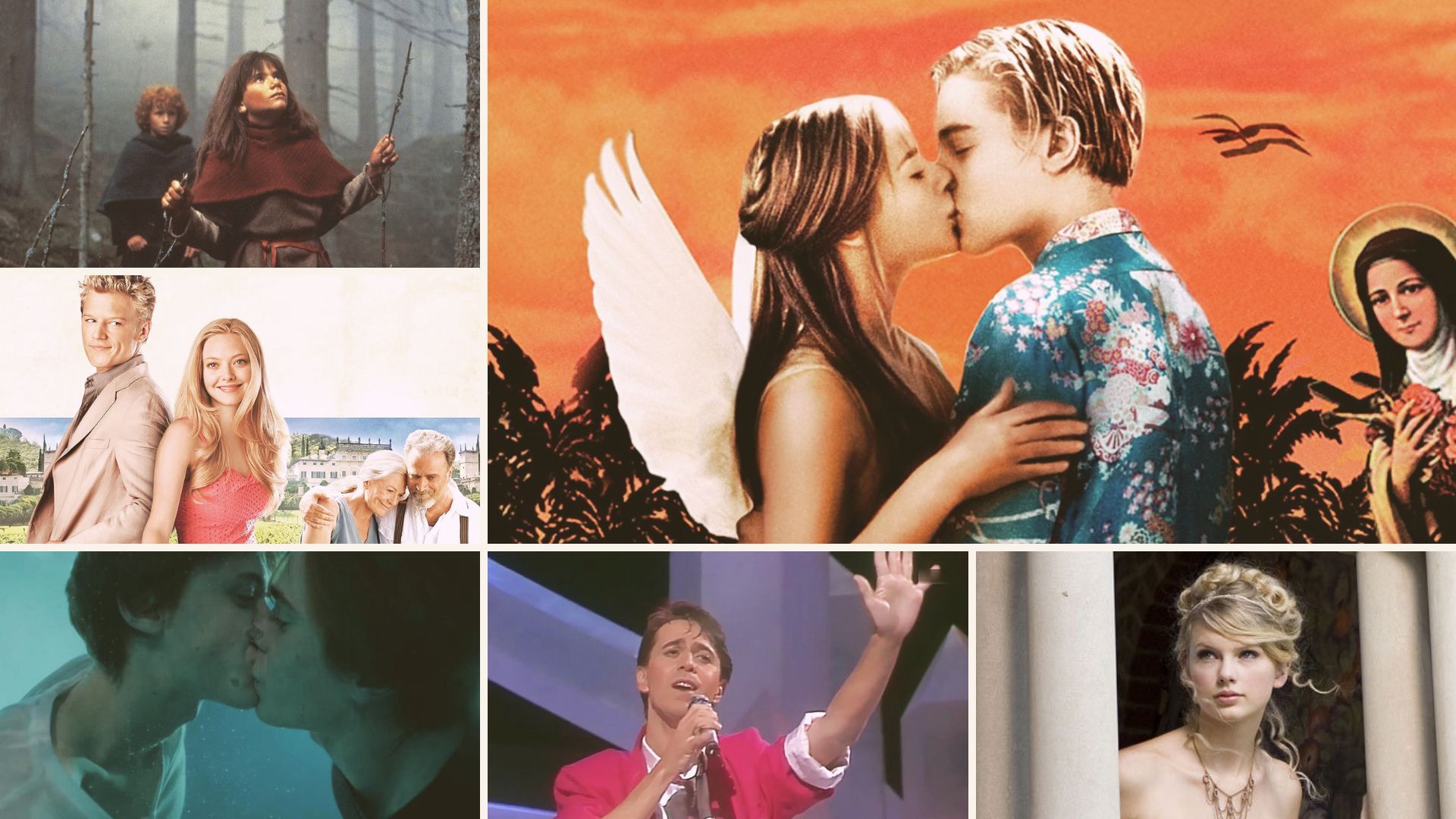
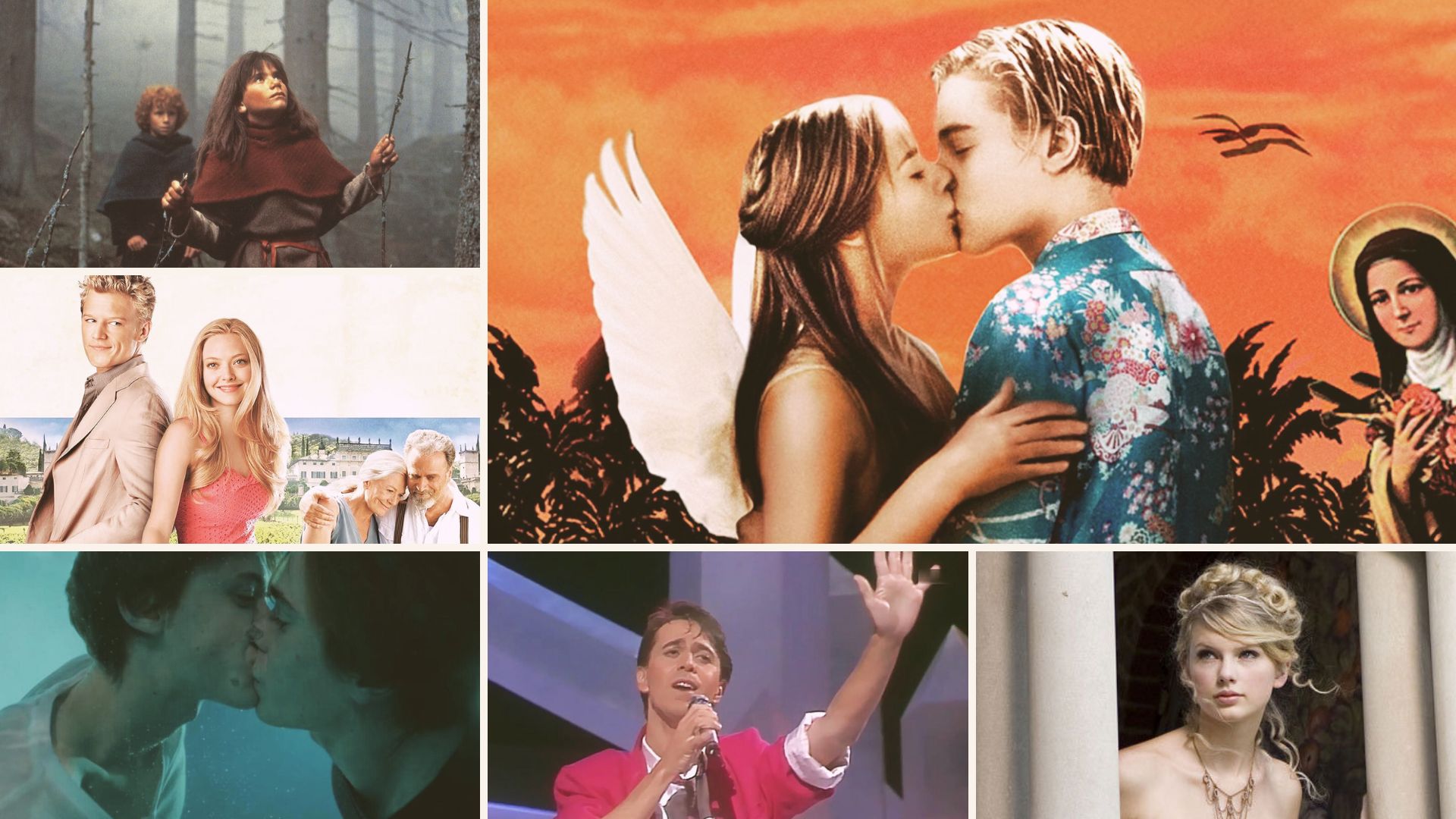
For 400 years, Romeo and Juliet have inspired art and culture around the world. From Ronia the Robber’s Daughter to Taylor Swift and SKAM—let’s take a look at some of the many who have been inspired by this famous love story.
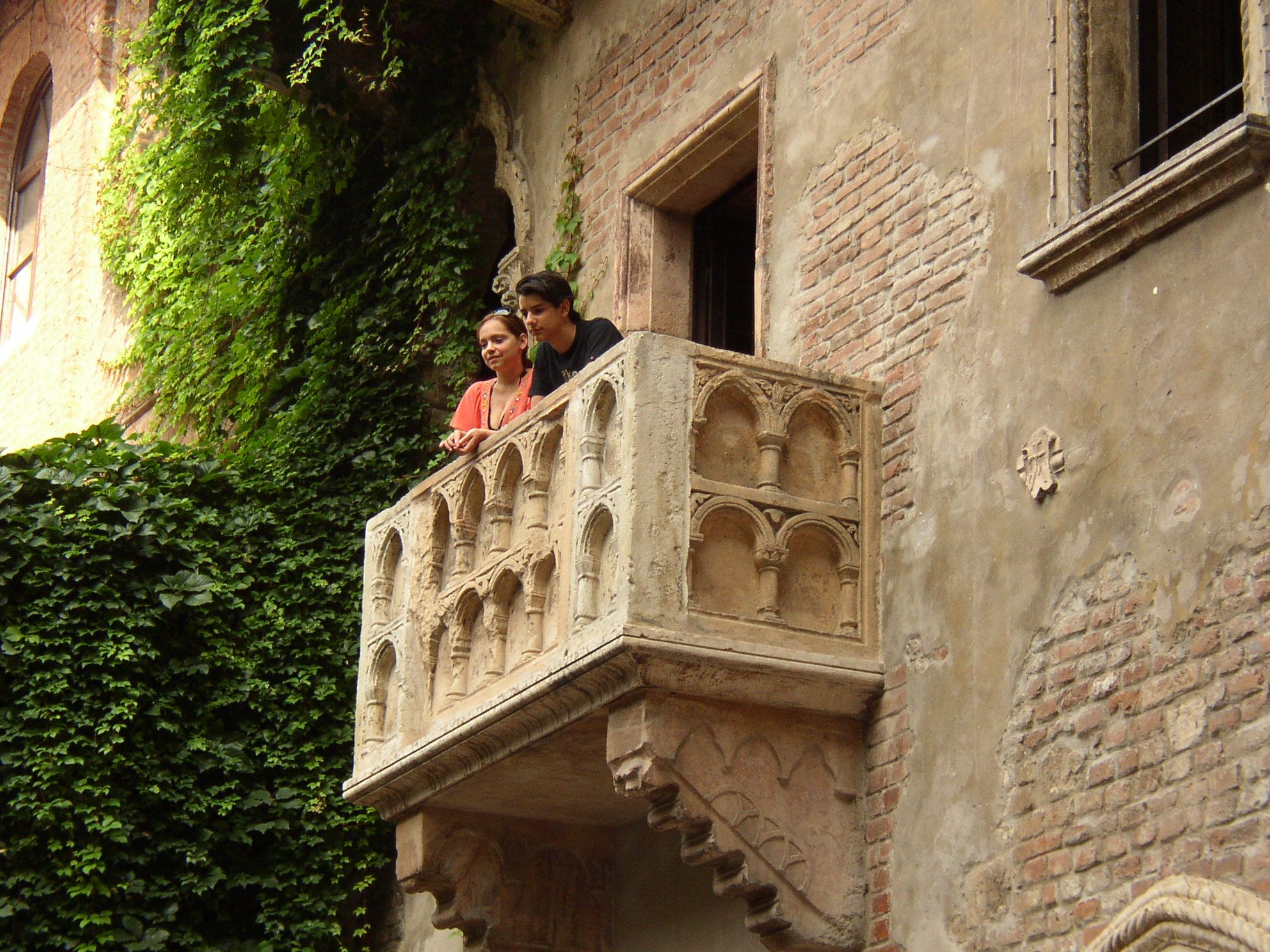
Verona lies west of Venice, east of Milan, and north of Bologna. It is the setting for what is perhaps the greatest love story of all time: Romeo and Juliet. With just under 250,000 residents, the city is by no means an obvious choice for most people when planning their next vacation, but for tourists hungry for romance, it is their Mecca and Nirvana.
Montauge vs. Capulet
In the story of Romeo and Juliet, penned by none other than William Shakespeare, there is a conflict that would make even the wildest episodes of any modern soap opera pale in comparison.
The Montagues and the Capulets are enemies—bitter enemies—and they have been for so long that we are never told why. As fate would have it, Romeo, the son of the Montague family, meets Juliet, the daughter of the Capulet family. They fall in love, and thus begins the world’s most famous story of impossible love.
The story of Romeo and Juliet was a big hit in its day, but it is perhaps even more so today and as we look ahead to the playof the same name, which will be staged at Kilden , has inspired more than just our own theater director.
Everything from visual artists, authors, directors, and songwriters has drawn on elements of the story of the ill-fated couple, written by one of the greatest poets of our time.
Some references are obvious, such as Disney’s 2011 animated version of *Gnomeo and Juliet*, in which Juliet stands atop a garden installation and cries out “O’Romeo, O’Romeo” into the night. Others have been inspired by more modern interpretations of the classic work, such as the teen series SKAM, which drew inspiration from Baz Luhrmann’s 1996 film adaptation . Some may not be quite as obvious, such as the friendship and love between two young people in a bandit’s hideout in the Swedish forests.
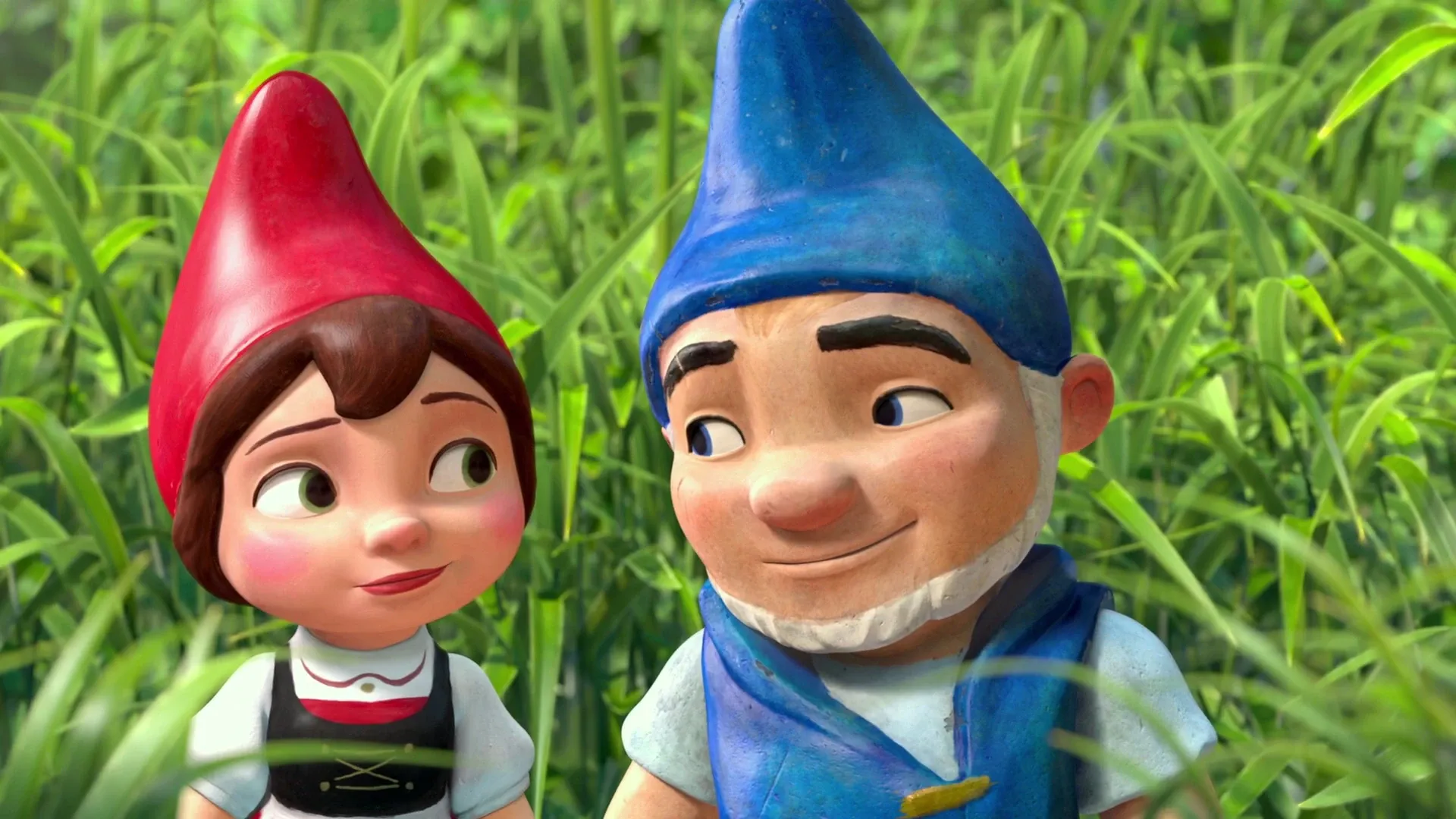
Photo: Screenshot from Disney
Romeo and Juliet, but without the tragic ending
Who doesn’t have a connection to the wonderful story of Ronia the Robber’s Daughter, written by Astrid Lindgren? Much like the Montagues and Capulets in Verona, the robber kings Mattis and Borka in Sweden are locked in a bitter feud. Ronja is Mattis’s daughter and Birk is Borka’s son, and on what appears to be a particularly idyllic summer day in the film adaptation of the book, Ronja meets Birk for the first time.
Over time, Ronja and Birk become close friends, much to their fathers’ despair. They choose to leave the castle, the conflict, and their families behind to live free lives in the forest, leaving their fathers in bottomless sorrow. Finally, Mattis sets out to find his beloved daughter again and, while he’s at it, invites Birk back to the castle, where Mattis and Borka resolve the conflict in true bandit fashion—with a duel! The victor becomes the leader of the two gangs, and thus two ten-year-olds have resolved a long and painful conflict. A very happy ending from the Swedish forests in a story that is likely based largely on a very unhappy love story from Italy.
Kristin Lavransdatter
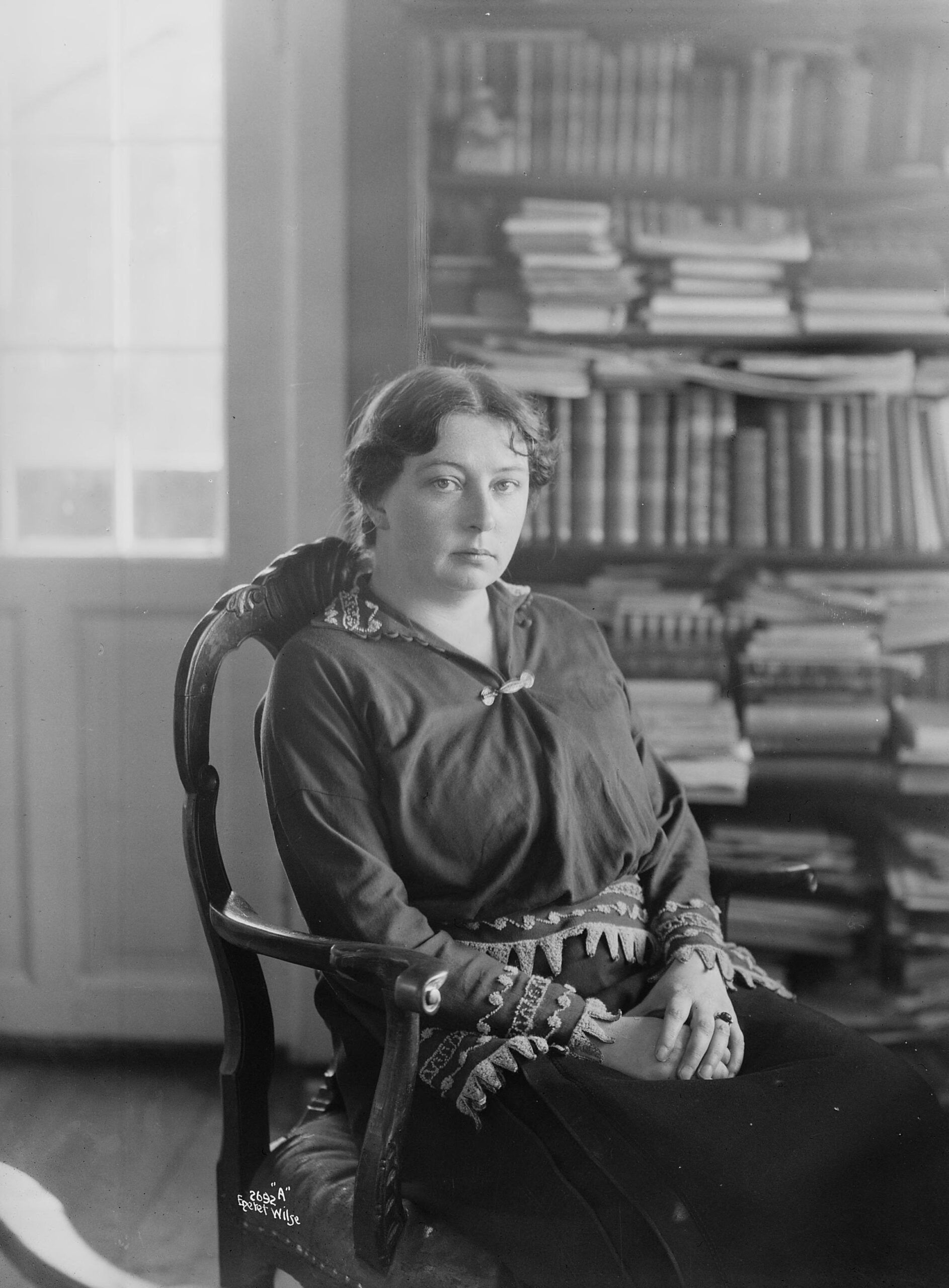
A little further west, and a couple of hundred years before the events of *Romeo and Juliet*take place, Sigrid Undset writes about Kristin Lavransdatter, who falls deeply and passionately in love with Erlend Nikulaussøn. Kristin’s father wants her to marry Simon Darre, the son of the neighboring farm, but Kristin stands her ground and ends up with her Erlend. That is roughly where the similarities between Romeo and Juliet and Kristin Lavransdatter end, but the story, driven by family opposition to the relationship, bears many similarities.
At the end of their stories, both women meet their end, but the circumstances could not have been more different. Kristin devotes her life to God and helps people at Rein Abbey on Fosen during the Black Death; she becomes infected and dies. Julie dies in a far more dramatic manner by taking her own life with a dagger in Verona, Italy.
Romeo and Juliet, SKAM
Since we’re in Norway anyway, it’s impossible to talk about Romeo and Juliet without mentioning the 2015 TV hit, SKAM. The teen drama was an instant success far beyond what was likely a clearly defined age demographic.
Each season featured a central character whom we viewers followed, and in season three of four, we got to know Isak, who was struggling with his own identity and sexuality. It quickly becomes clear that Isak is in love with Even, and like any teenager deeply in love, Isak turns to the internet and social media for as much information as possible about his beloved. Through social media, it turns out that Even has a strong interest in film, and at the top of the list of directors the teenager likes is Baz Luhrmann, none other than the man behind the 1996 film Romeo + Juliet —more on Baz a little later.
A few episodes later, Isak and Even find themselves in a pool, and underwater they share their first kiss—recreating an iconic scene from Baz Luhrmann’s timeless classic from the nineties. The director of SKAM, aptly named Julie, further solidifies this influence as the soundtrack from Romeo + Juliet begins to play in the background with the song “Kissing You,” marking the beginning of a relationship that engaged, provoked, and inspired an entire generation of love-starved SKAM fans.
Romeo + Juliet
It’s difficult—no, impossible—to talk about Romeo and Juliet without mentioning Baz Luhrmann’s 1996 film of the same name. The cast features Leonardo DiCaprio and Claire Danes as our two star-crossed lovers—big names, even today.
The film, which premiered in 1996, had a budget of roughly $14 million and ended up grossing ten times that amount. To put that into context, that’s roughly the same profit margin as the films *Titanic* and *Harry Potter* can boast.
Despite the big names in the cast, Baz didn’t have much experience as a director, nor as a producer or screenwriter. In other words, the film that was to tell one of the greatest love stories of all time was brought to the screen by a relatively inexperienced guy, but despite this—or perhaps precisely because of it—the film became a commercial success with its 90s aesthetic of bold colors, while the text retained its classic form. Against all odds, the text, written sometime between 1591 and 1595, works within Baz Luhrmann’s chaotic, glittering universe.
Letters to Juliet
A few years later, another Romeo and Juliet-inspired film was released: *Letters to Juliet* (2010). The film isn’t a direct adaptation of Shakespeare’s play, but it’s perhaps the absolute favorite of the 2000s for young people craving a romantic drama without too much conflict. Here, you just have to accept a flimsy plot and overlook obvious logical flaws.
In the film, Sophie, an investigative journalist, goes on a trip to Verona, Italy, with her fiancé, who, strictly speaking, doesn’t seem like a particularly nice guy. In Verona, she hears about the phenomenon where women write letters to Juliet, from Shakespeare’s play, to ask for love advice, even though Juliet’s skills as a couples therapist are, to put it mildly, lacking.
Sophie then stumbles upon an unanswered letter sent by a woman named Claire in 1957, seeking advice on whether she should run away with her Lorenzo. Sophie and Claire meet, decide to find this Lorenzo, and of course, along for the ride is Claire’s skeptical but stunningly beautiful grandson, Charlie. You can almost imagine the rest for yourself.
The film’s soundtrack features Taylor Swift’s hit song “Love Story,” whose lyrics—“Romeo, take me somewhere we can be alone, I’ll be waiting. All there’s left to do is run”—clearly pay homage to the play written half a millennium earlier.
Eurovision Song Contest
It’s not just Taylor Swift who’s been inspired; here in Norway, Kjetil Stokkan from Harstad competed with the song “Romeo” in the 1986 Melodi Grand Prix and emerged victorious. The song is about how Kjetil will never be a Romeo, and that’s perhaps just as well, since the real Romeo took his own life and, to a large extent, influenced his beloved to do the same.
“Romeo, Romeo, God knows you’ll never be a Romeo, Romeo, try to take it easy”
The entry was well-received at home, but didn't quite make the cut in the international final.
Inger Lise Rypdal was a bit more optimistic and acknowledged in her 1968 song “Romeo and Juliet” that:
We—the two of us—were not born of Father Shakespeare
And we won’t let a sad ending happen
Come—come, take my hand, sweep the sorrows aside
Let the two of us be the architects of our own happiness
Believe in love
Hundreds, or perhaps tens of thousands, have been inspired by the tragic story of Romeo and Juliet. Whether it’s from Shakespeare’s original play or one of the three (!) film adaptations that followed is unclear, but by penning what is perhaps the world’s most famous love story, the name Romeo will always be linked to Juliet, and vice versa. The ending of the story in Verona is bleak, offering only a glimmer of hope for those who believe in life after death. Yet this brutal love story has taught us something about how deeply and passionately one can love another—in fact, more than one’s own life.