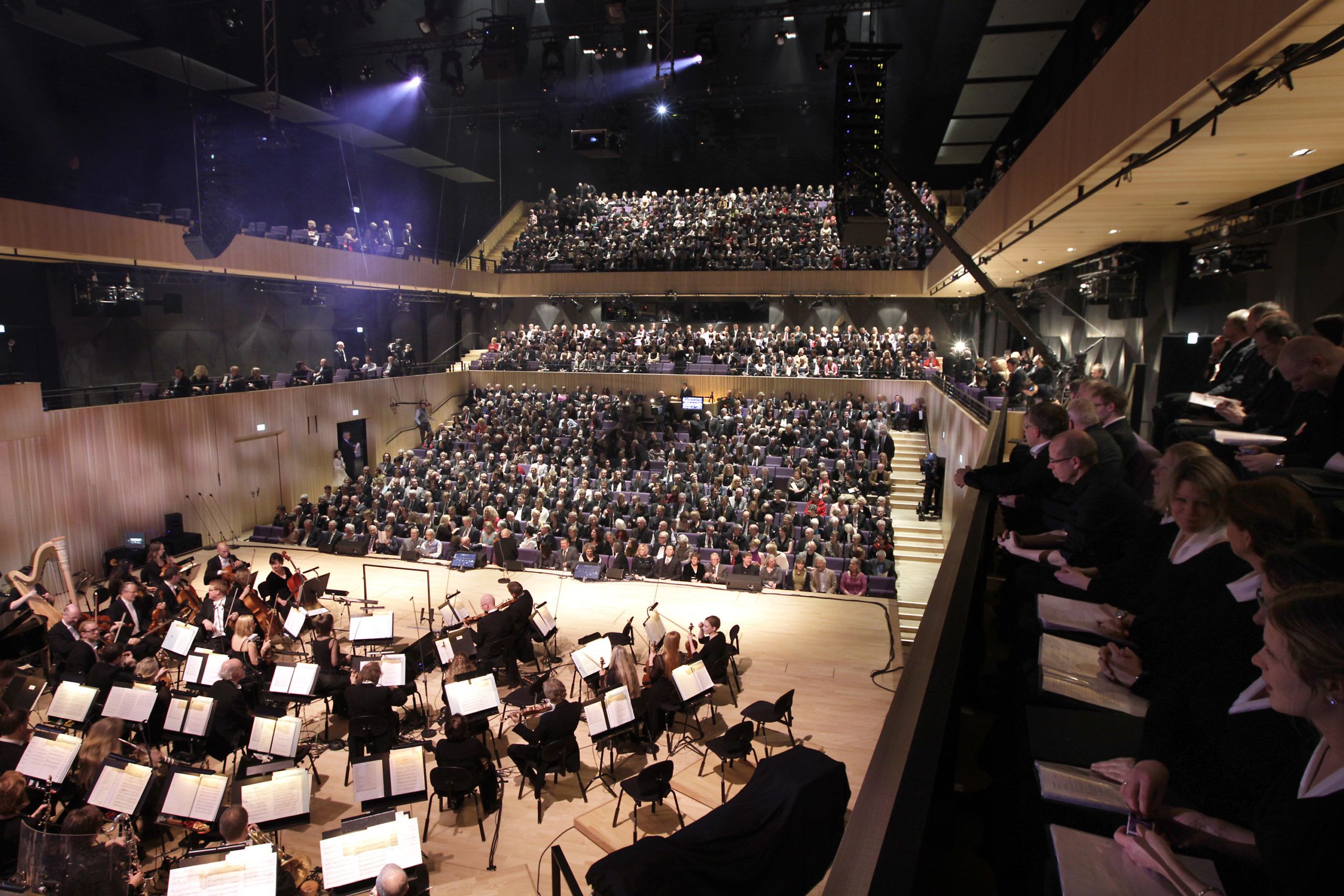
Have you considered taking cultural vitamins this winter?
Opinion piece by Eva Mari Andreasen
Head of Research, Kilden performing arts centre
There is a noticeable difference in the health of those who participate in arts and cultural activities and those who do not—and it doesn’t necessarily take much for it to have an effect.
Research shows that even a small amount of cultural participation can contribute to better health and a higher quality of life, but financial barriers mean that many people—especially young people—are left out.
Did you know that participating in cultural activities isn’t just entertaining, but can also make you healthier and happier? In the Nordic countries, the link between health and participation in arts and cultural activities has been studied, and the results show a clear trend: People who participate in such activities enjoy better health and live longer, regardless of whether they are men or women.
Research from Denmark shows that people who participate in arts and cultural activities have a lower risk of dying from cardiovascular disease. In Norway, it has been shown that cultural participation also reduces the risk of dying from cancer. For Norwegian men who participate in cultural activities once a week or less, the risk of premature death is reduced by 31% compared to men who do not participate. For women, the risk is reduced by 29%, and if they participate even more frequently, the risk of premature death drops by as much as 38%. These are impressive figures!
Attending concerts or theater performances as an audience member, without participating yourself, also has health benefits. Men who attend various cultural events as spectators show a lower risk of both cancer-related mortality and fewer visits to their primary care physician.
Many young people are forced to give up cultural activities, not because they lack interest, but because the financial challenges become too great.
Cultural participation is not just about entertainment; research shows that it leads to a better quality of life, greater resilience to stress, improved concentration, and stronger social bonds. Art strengthens our mental health and reduces the risk of symptoms of anxiety and depression. This is something to consider at a time when mental health and quality of life are constantly being put to the test.
Denmark and the United Kingdom have already implemented the “culture on prescription” program, under which primary care providers can issue “cultural prescriptions” that give patients access to cultural activities in their local communities. Through this program, patients can participate in everything from concerts and art exhibitions to choir, dance, and other activities. Results from Denmark show that many patients experience an improved quality of life and a greater sense of coping, and for some, the cultural initiative has even helped them return to work.
Although participation in cultural activities can yield significant health benefits, many young people face financial barriers to participation. A recent report from the Center for Research on Civil Society and the Voluntary Sector at NORCE shows that financial barriers are particularly pronounced in low-income areas. Several organizations report that many members struggle to pay membership fees, which limits access to cultural activities. This is particularly critical for youth between the ages of 13 and 19, an age where participation in cultural activities often becomes costly compared to other leisure options. Many young people are forced to forgo cultural activities, not because they lack interest, but because the financial challenges become too great. If we are to create an inclusive society and provide everyone with equal access to cultural experiences, we must remove these financial barriers.
In the face of growing health disparities, culture should be viewed as a natural part of public health efforts. Culture has real value for our health and can no longer be considered a luxury. Access to cultural experiences should be available to everyone, regardless of financial means or background. To achieve this, policymakers must ensure that cultural participation becomes an integral part of our public health services. Perhaps we can also introduce “culture on prescription” here in Norway?
In the meantime, while we wait for politicians to take the necessary steps, why not fill your winter with a little cultural enrichment yourself? Use the dark evenings to experience art, music, or theater. You might find that these “cultural vitamins” make you feel a little lighter in spirit and stronger in body and soul. Most likely, it will work—for you, too!