In the shadow of Nordic colonial history
Kill Devil
In the shadow of Nordic colonial history
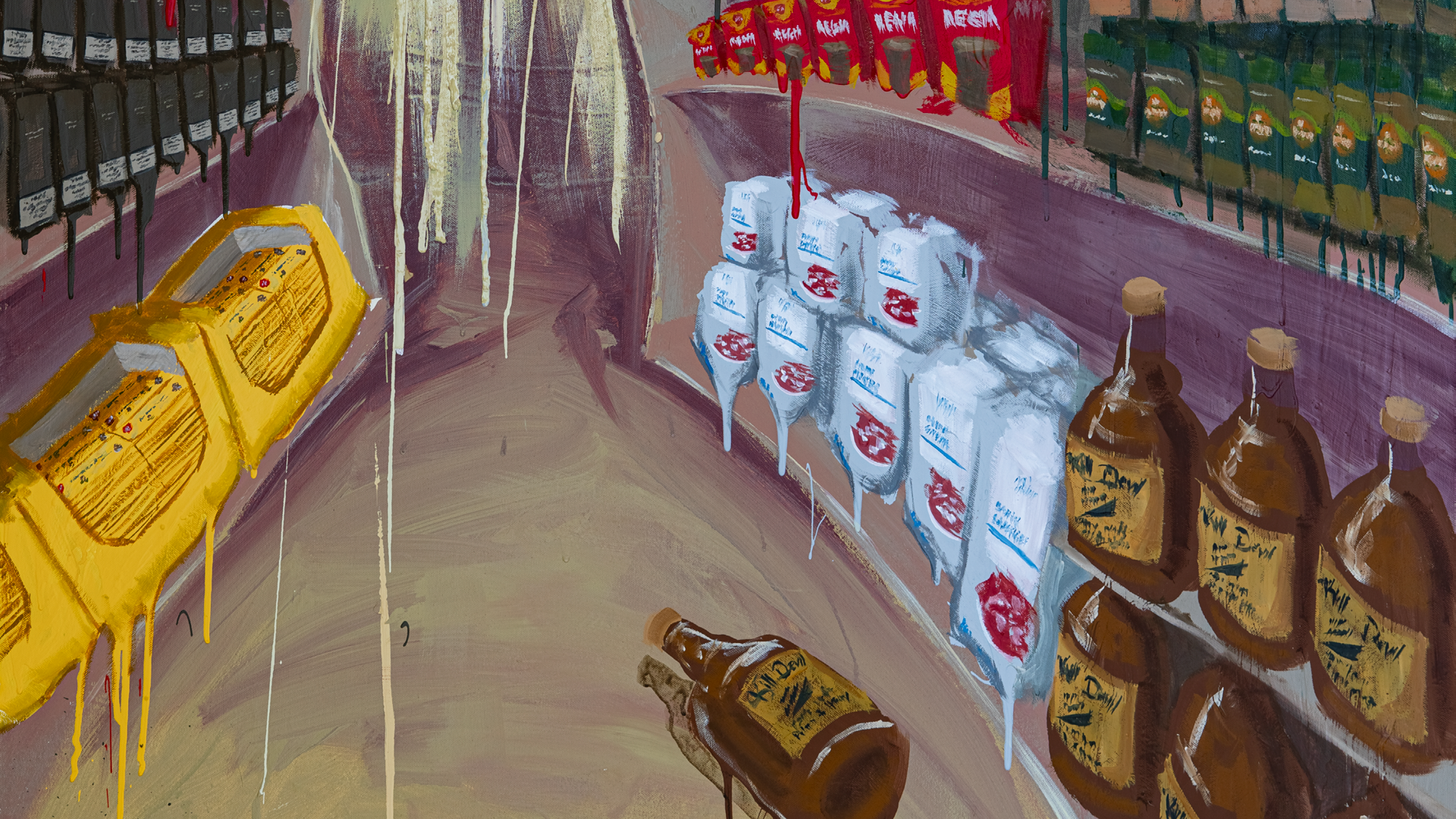
In Norway, the word “kolonial” evokes cozy associations with the neighborhood store, where you can buy chocolate, coffee, fruit, and tobacco. But Norway’s historical connection to the word is more complex than that.
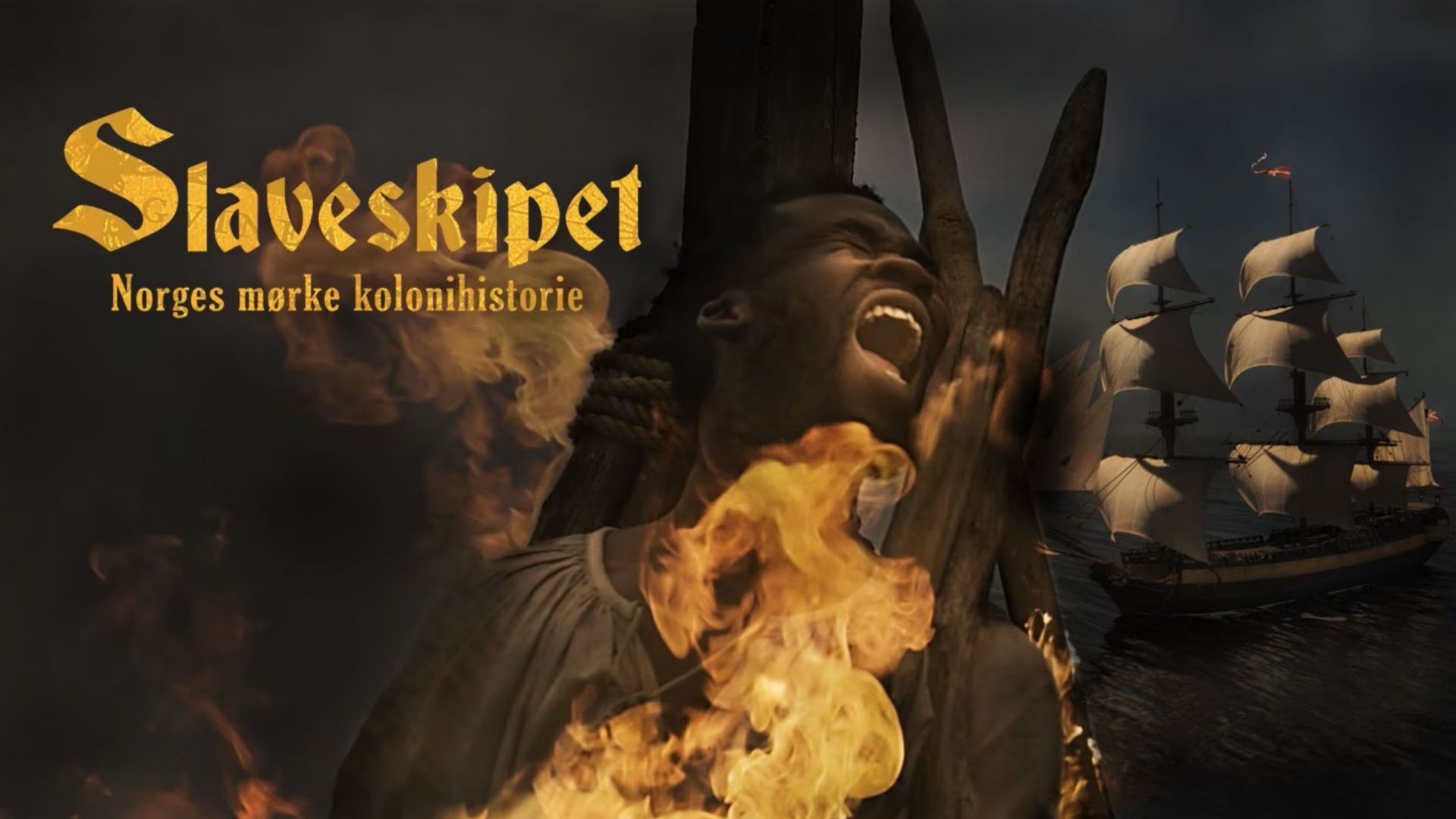
In the production, now titled *Kill Devil*, we explore Norway’s connection to the Danish-Norwegian slave trade. Using the mechanisms of Baroque theater, we shed light on the dark sides of Norwegian history—through shadow theater for adults.
“Norway and the role of Norwegians during the colonial era have long been a taboo subject, but recently more information has come to light, and the topic has received greater attention in education, literature, and the media,” explains director Petter Width Kristiansen. With the play *Kill Devil*, he hopes to raise awareness of this little-known chapter in Norway’s history.
The 400th Anniversary Night
The slightly more than 400 years that Norway was in union with Denmark have been described by Ibsen as the “400-Year Night”—a dark chapter in Norwegian history that did not fit into the new Norwegian identity, in which freedom and equality were to serve as guiding principles. People tended to skip over this period, turning instead to the Saga Age, National Romanticism, and the Norwegian peasant when writing the history of Norway and Norwegian culture.
However, during the union with Denmark, Norway was part of a growing global economy in which colonial trade and the slave trade were key components.
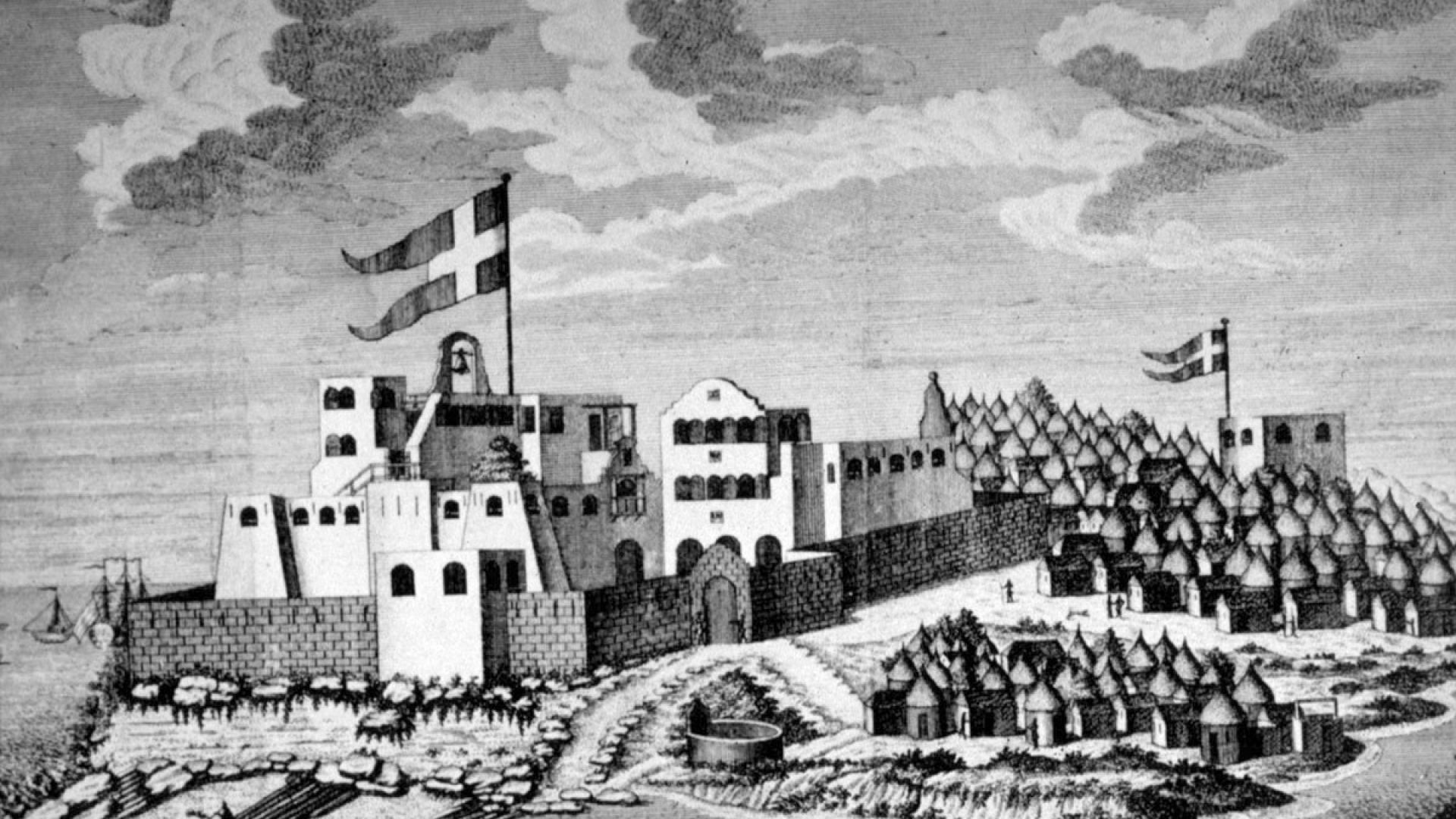
Denmark-Norway actively participated in the transatlantic slave trade. Norwegian investors and merchants made a fortune—and caused great harm. Denmark-Norway had a network of trading forts on the Gold Coast and a colony in the Caribbean known as the Danish West Indies. It consisted of three islands. These were later sold to the United States and now make up the U.S. Virgin Islands.
Danish-Norwegian slave ships transported around 100,000 enslaved Africans to work under brutal conditions on plantations.
In 1673, the ship Cornelia set sail from the docks in Bergen. The plan was for it to transport enslaved people to St. Thomas, but that is not how things turned out. The ship made two voyages to the Gold Coast, but on the second voyage, it was captured by a Dutch ship and ordered to transport 103 enslaved people to Curaçao. The first Danish-Norwegian ship to purchase enslaved people in West Africa and transport them to the Danish West Indies was the Den forgylte ørn. This marked the beginning of the Danish-Norwegian transatlantic slave trade, which would become the world’s seventh-largest fleet of slave ships.
Enslaved
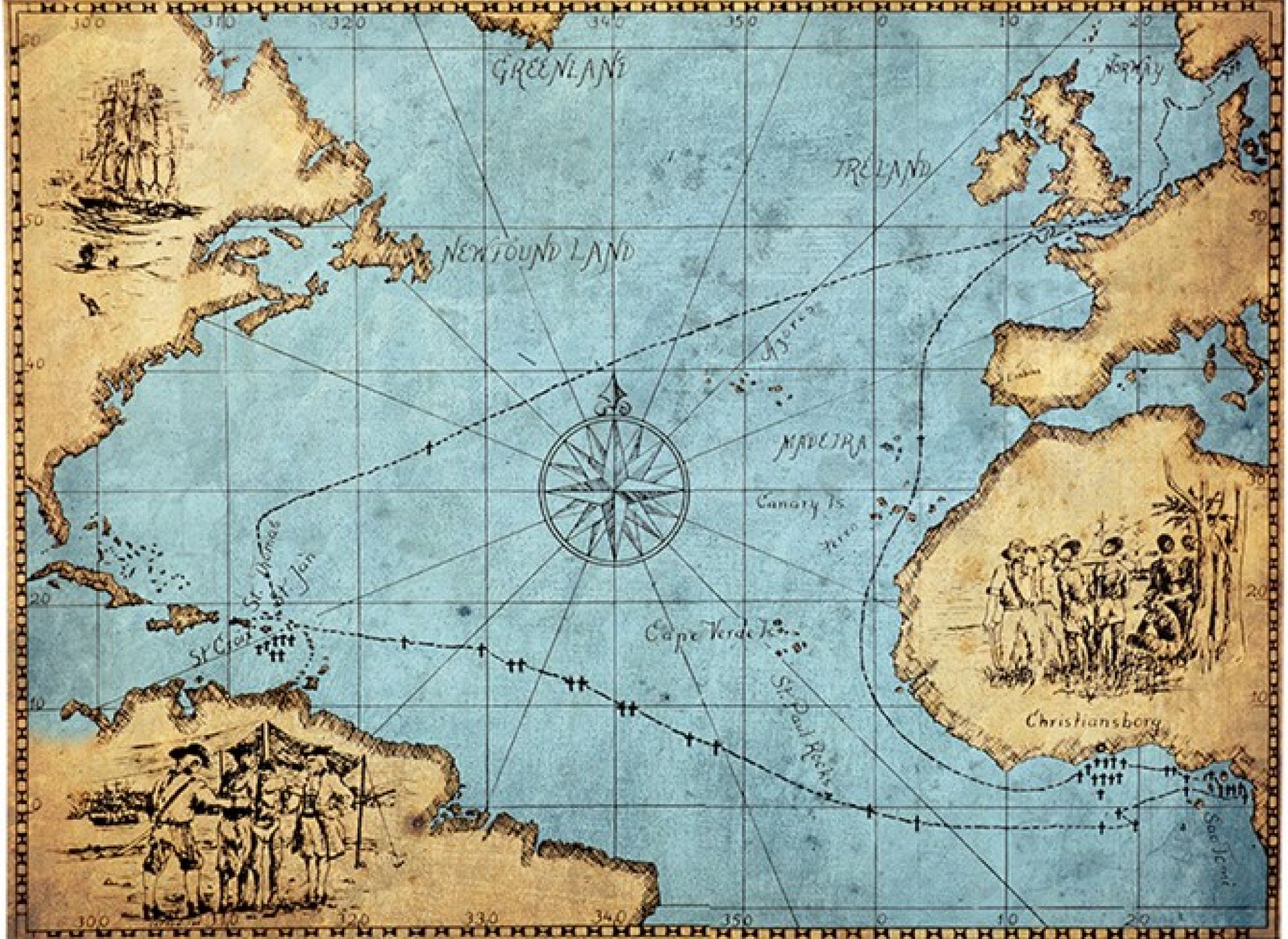
The trade route between Europe, Africa, and the Caribbean is known as the triangular trade. Ships carried goods from Europe to West Africa. There, they exchanged the goods for enslaved people, before setting sail for the Caribbean. In the Caribbean, these were exchanged for colonial goods, which were then transported back to Europe.
Due to disease and appalling conditions on the ships, about 33 percent of the sailors and 15 percent of the enslaved people died during the crossing and were thrown overboard. Those enslaved who survived the journey were sold to plantation owners. At that time, it was common to brand one’s possessions with a hot iron, and this also applied to enslaved people. The Danish West India Company branded its enslaved people with an S framed by a heart. It is said that the S stood for slave, and the heart symbolized God’s love.
The items
In the performance *Kill Devil*, we follow the journey of these goods. Denmark-Norway used items such as iron bars, copper, and weapons as trade goods in exchange for enslaved people. On their return from the plantations, they brought back goods such as cotton, tobacco, rum, tropical woods, and most importantly: sugar.
In Norway, buyers from sugar refineries in Halden, Bergen, and Trondheim were waiting. Raw sugar from the plantations was processed there into refined sugar, both for the Norwegian market and for further sale in Europe.
Molasses, a byproduct of the sugar industry, was fermented and used to produce rum. The rum produced in Europe could be used as currency to purchase enslaved people in Africa, while the rum produced on the islands was a kind of moonshine, given to the enslaved as part of their wages, and used to numb them. This was called Kill Devil.
The ban
In 1792, Denmark-Norway passed a ban on Danish-Norwegian participation in the transatlantic slave trade. However, the law would not take effect until 1803, and even though the slave trade was to be banned, it was still legal to own enslaved people. This gave plantation owners ample time to purchase and gather enslaved people.
So even though Denmark-Norway was among the first to ban the slave trade, we were among the last to abolish slavery. It was only after major riots that our enslaved people were freed, as late as 1848.