
The Idiot Meets Forrest Gump
Forrest Gump Meets The Idiot
Our major spring production, Dostoyevsky’s *The Idiot*, is nearing its premiere. What impact has a Russian novel from 1868 had on Western popular culture?
Actually, quite a lot.
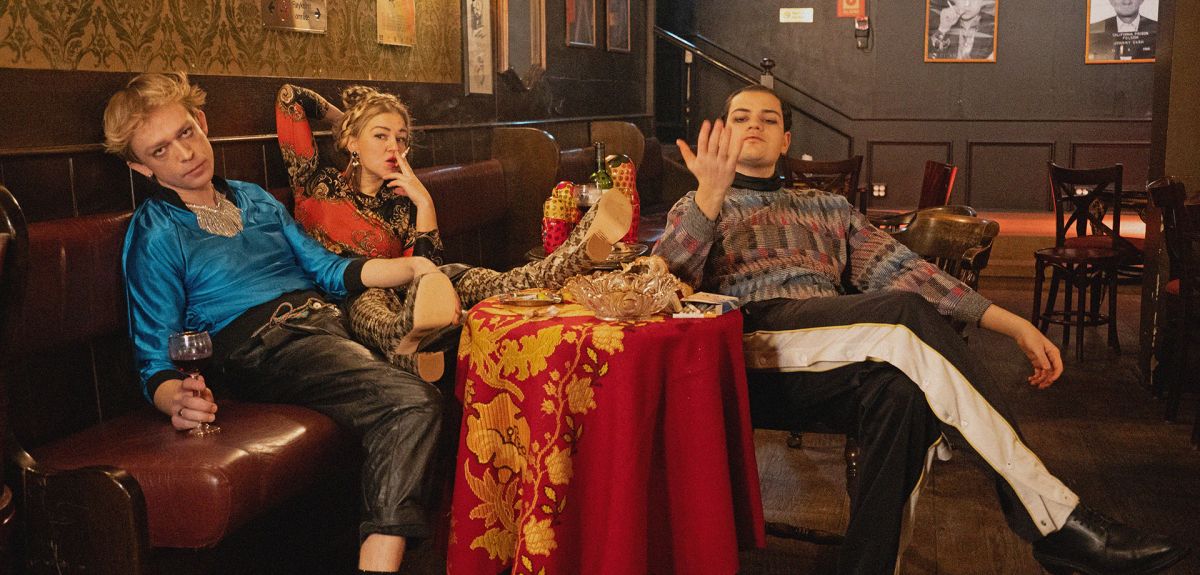
Text: Mikal Vassbotn
Photos: Anne Reitan and Lars Gunnar Liestøl
Dostoyevsky's The Idiot
In the novel *The Idiot*, we are introduced to 26-year-old Prince Myshkin. According to Dostoevsky’s own notes, he wanted to portray a kind of Christ-like figure in the novel—a perfect and innocent being. This stands in stark contrast to the rest of the cast of characters we meet in the novel, who are deeply entangled in careerism, intrigue, drama, and power struggles.
The novel is a classic of world literature, and Dostoevsky’s keen observations and depth of character development have made it a favorite among readers for over 150 years.
The Idiot explores themes such as love, social class, and human nature through Myshkin’s experiences and observations, as he is, by nature and disposition, open and attentive.
Dostoyevsky has had a significant influence on Western culture; Ernest Hemingway, Friedrich Nietzsche, and our own Knut Hamsun were all strongly influenced by the author. Hamsun even faced accusations of plagiarism due to similarities between his short story *Hazard* and Dostoyevsky ’s *The Gambler *.
It is not only the world of literature that has been influenced by the author. Edvard Munch was apparently inspired by several of Dostoevsky’s works; the most obvious example is perhaps the novella *The Meek One*, for which Munch even painted a picture with the exact same title.
The Idiot has also had a major influence on one of the most famous and beloved films to come out of Hollywood: the story of a man from the U.S. state of Alabama.
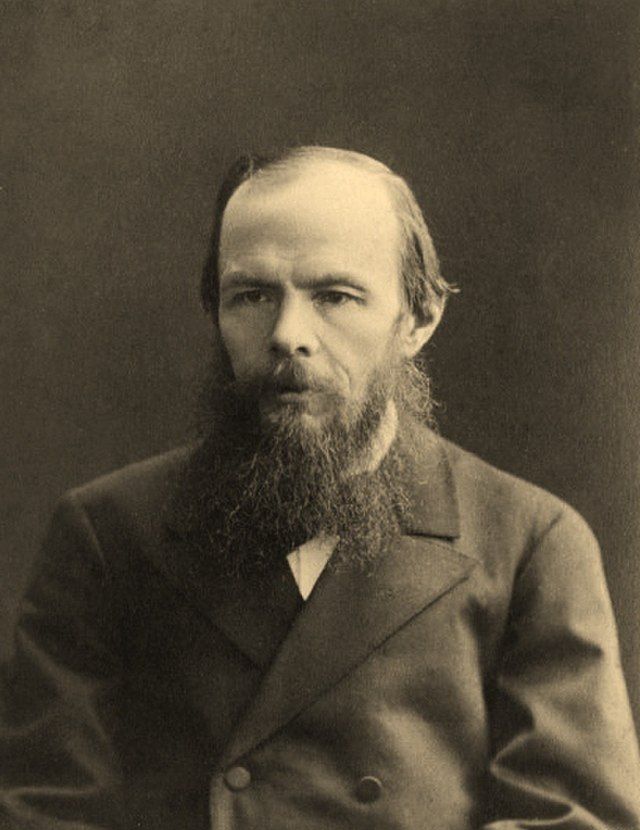
Fyodor Dostoyevsky (1879)
The movie Forrest Gump
– Life is like a box of chocolates—
, you never know what you’re gonna get, Forrest Gump
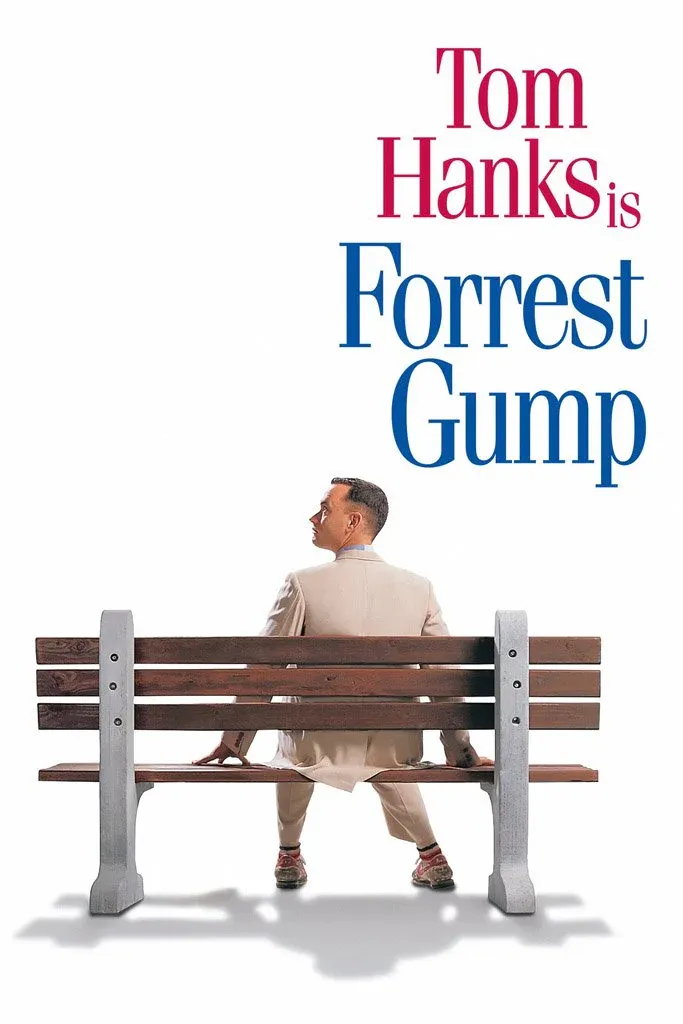
Tom Hanks as Forrest Gump (1994)
In the 1994 hit film *Forrest Gump*, we meet the eponymous protagonist. Forrest is a naive, empathetic, and selfless person who puts others’ interests before his own, just like Myshkin.
In the 1986 book *Forrest Gump*, on which the film is based, there is an even clearer reference to the classic novel. As early as the first chapter, Forrest mentions Dostoevsky’s *The Idiot*, or “that Doy-chee-eveskie guy,” as Forrest calls him. Later in the same book, Forrest attends a lecture on precisely this topic: idiots in literature.
Both characters face challenges that, in their own ways, cause them to encounter a disproportionate amount of resistance along the way. Forrest is fully aware that he has an intellectual disability, while Myshkin, for his part, is, in the opening pages of the novel, on his way back from treatment in Switzerland for epilepsy.
Despite challenges and adversity, Forrest and Myshkin instinctively respond with kindness and love in situations where many others would act in their own self-interest. Their moral compass is in full swing, and time and again they show compassion and empathy that are out of step with parts of the society around them.
Forrest and Myshkin both face challenges that cause them to live somewhat on the margins of society, and they lack both the ability and the desire to engage in the power struggles of society in order to raise their own social status. They are completely and utterly themselves.
– Dear God, make me a bird. So I could fly far—
—Far, far away from hereJenny Curran
Forrest has his Jenny, Myshkin has his Nastasia
In *The Idiot* , we are introduced to Nastasia, a woman of aristocratic descent who is both stunningly beautiful and highly intelligent. In the novel, we learn that she is a victim of abuse by a caregiver in a close relationship, which naturally affects her life and character.
Nastasia has been in several romantic relationships from a young age and, in that sense, leads a free and open life—quite unlike many of the other women in the novel. Because of her lifestyle and history, society views her as damaged and impure. Unfortunately, this is a perception she herself shares, and she allows it to influence her own inner emotional life.
Forrest Gump, on the other hand, loves his dear Jenny unconditionally; they met when they were children, and she has been one of the few people to stand up for him when Forrest has been bullied. Jenny is a victim of abuse by her own father, and this shapes her throughout the film as she seeks validation from the men she surrounds herself with—men who are happy to form bonds with Jenny to satisfy their own desires. She is also, like Nastasia, aware of her own situation and does not feel she deserves love and care from Forrest.
Forrest may not fully understand why he loves Jenny, but he doesn't care. He loves Jenny unconditionally and has a deep desire to protect and care for her.
In *The Idiot* , Myshkin loves the beautiful but troubled Nastasya. Not necessarily out of a strong personal desire, but because Myshkin wants to take care of Nastasya, just as Forrest wants to take care of Jenny.

– The Bon Vivant Totsky, whom heaven sent to take care of the orphaned child,
abused meNastasia Filippovna
Cast
*The Idiot* features a rich cast of characters who largely drive the plot forward through dialogue. Forrest Gump, on the other hand, opens with Forrest sitting on a white-painted bench waiting for the bus. The dialogue between Forrest and the people who happen to sit down on the bench gives us insight into the rich life Forrest has lived, the people he has met, and drives the story forward.
It’s easy to see the similarities between the way the story in *Forrest Gump* is framed and how *The Idiot* begins . Myshkin is sitting on a train, waiting; here, a conversation begins with a random passenger, and with that, the story gets underway.
There is a stark contrast between the optimistic ending in the Hollywood film *Forrest Gump* and the narrative of *The Idiot*, which is deeply influenced by the author’s turbulent and chaotic life. In particular, the endings of the novel *The Idiot* and the film *Forrest Gump* take vastly different directions.
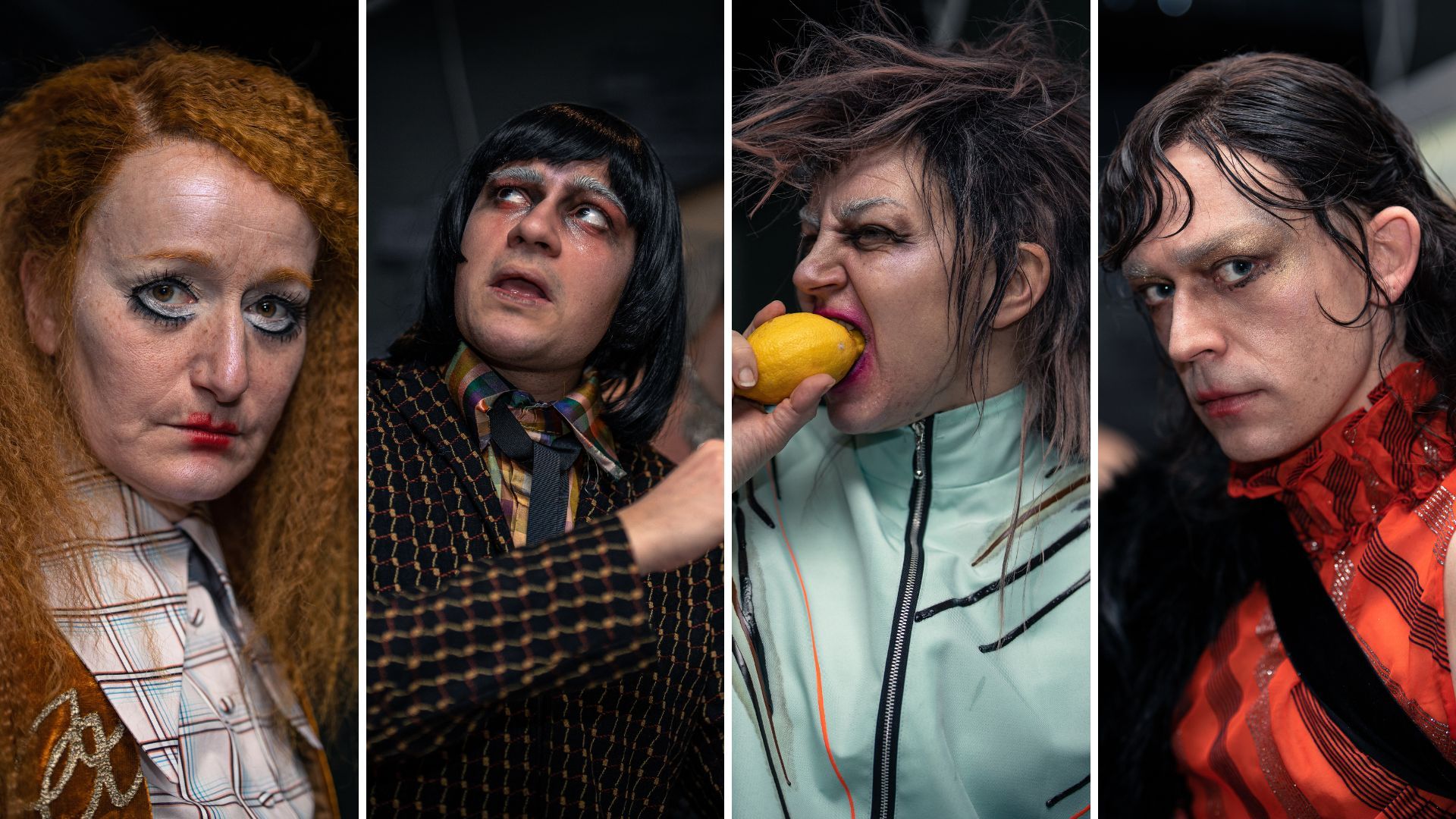
Myshkin in 2023?
How would Myshkin have been received in Kristiansand in 2023? A man who speaks intuitively and honestly, without any ulterior motives.
Would he have been received as the Christ-like figure Dostoevsky wanted to portray? Would he have been an active part of society and public discourse, or would he have been overlooked, ignored, and ridiculed?
Starting February 3, residents of Kristiansand can see for themselves atperforming arts centre Kilden performing arts centre. Welcome!