The intrinsic value of art
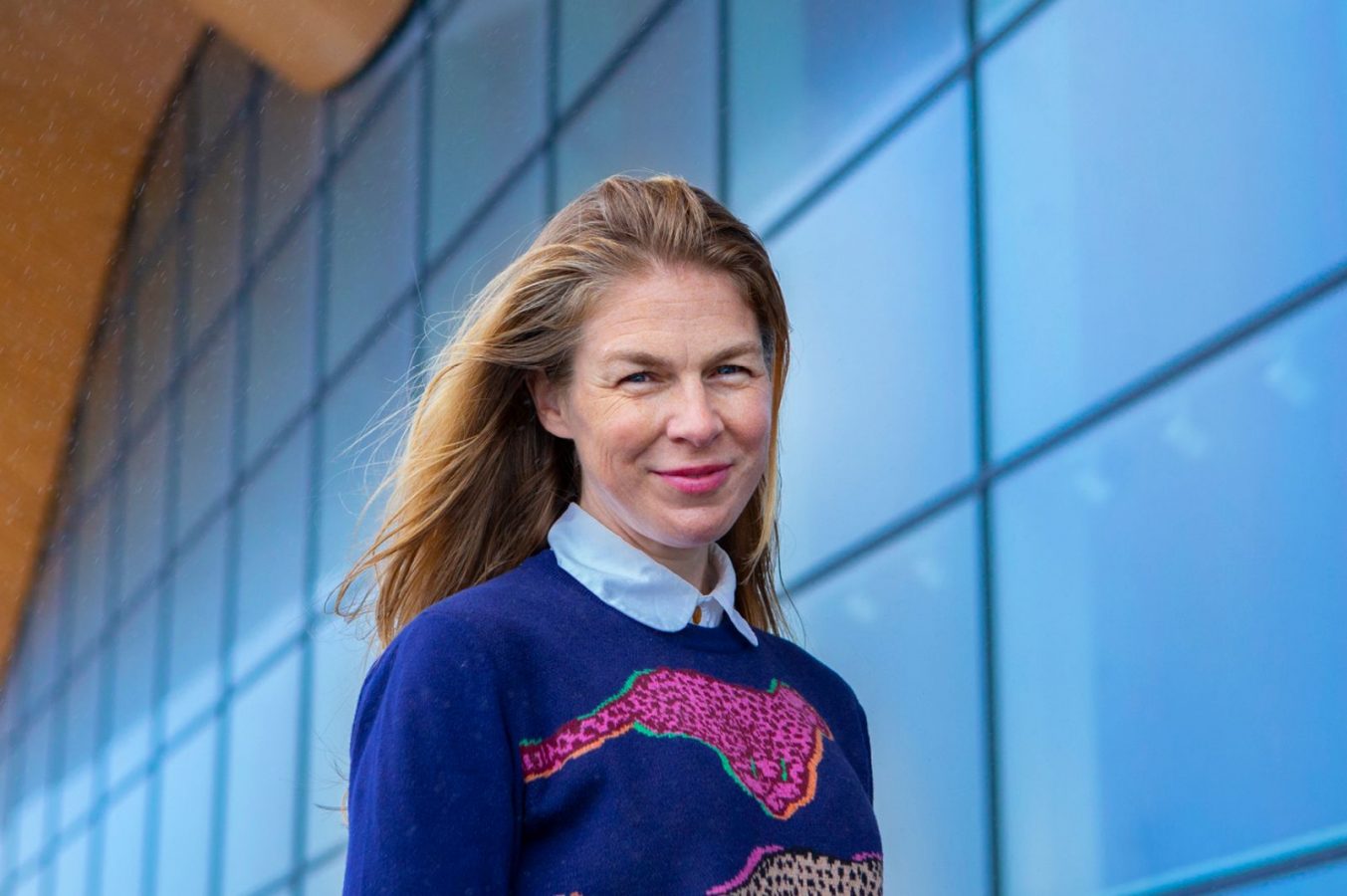
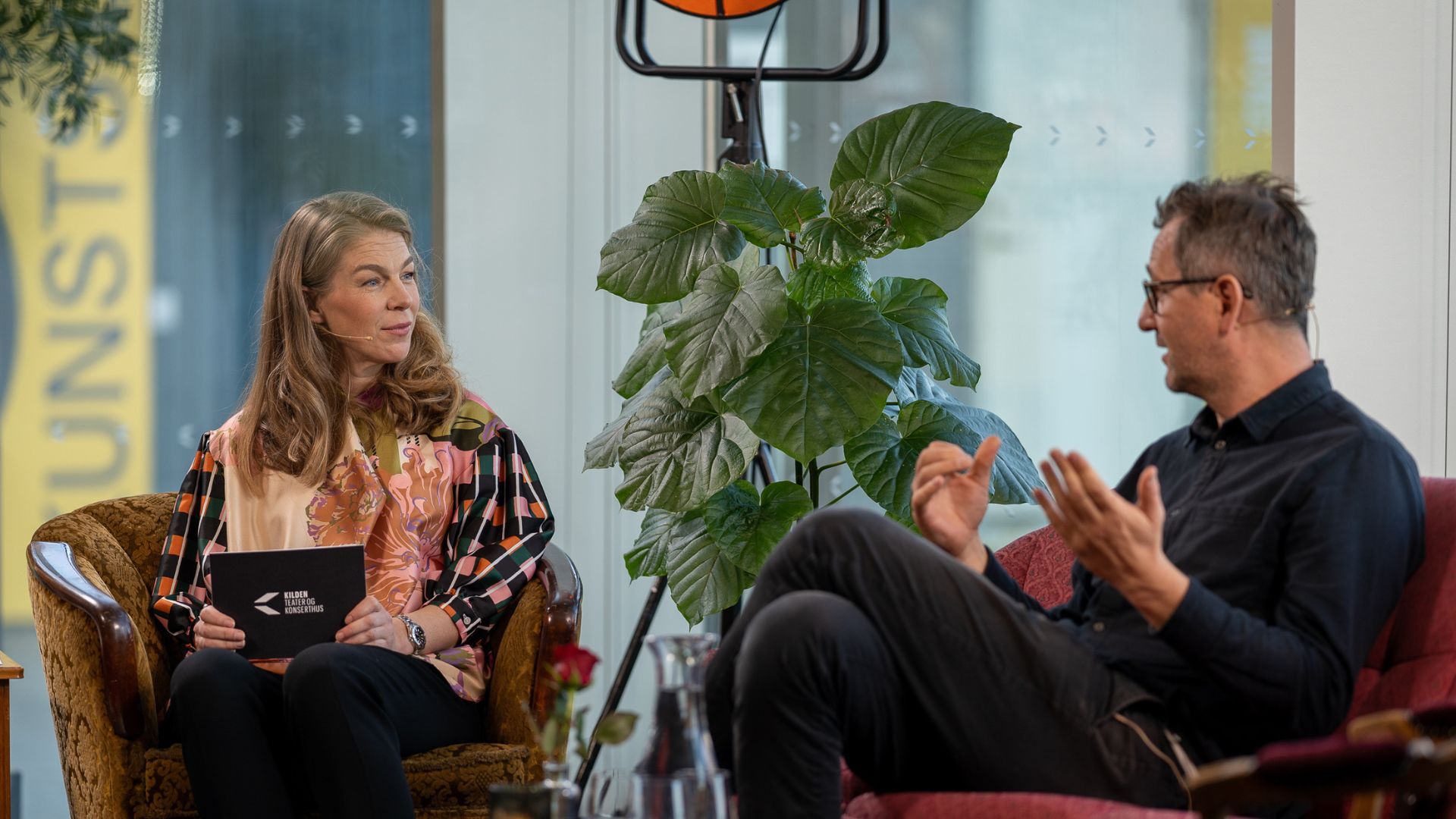
Theater Director Valborg Frøysnes delivered a passionate speech on the intrinsic value of art at the Agder Culture Conference on June 5, 2024.
The speech was well received by the audience, and we would therefore like to share the full text with you.
The intrinsic value of art
I have been asked to speak about the intrinsic value of art. I have been given 15 minutes, so I’ll get straight to the point and keep it simple: art has nothing but its own value. Art has no purpose beyond itself. It is not a product to be consumed; it has no practical value for us; it is neither measurable nor necessarily definable. It does not need to be legitimized or justified. It simply is, and has been since the dawn of time. Or as the American artist Barnett Newman wrote in his 1947 essay “The First Man Was an Artist”:
“Undoubtedly, the first human was an artist. […] Humanity’s first expression, like humanity’s first dream, was aesthetic. Speech was a poetic roar, rather than a need for communication. […] The human element in language is literature, not communication.” (Newman: “The First Man Was An Artist,” PDF p. 1, own translation.)
What I am talking about here is not some self-aggrandizing idealism on behalf of art, nor an expression of what has gradually become a trite cliché—that “art must be free.” No, this is about the very essence of art. It is itself and nothing more or less, or to use the words of Jon Fosse, Jon Fosse, the quiet man from Strandebarm, who suddenly became a household name overnight because of an award in Sweden: “Literature is a language that exists in and of itself, it is its own [.]” (Fosse: “Anagogia” in When an Angel Walks Across the Stage and Other Essays, p. 52)
In response, one might say that as long as the artist receives support from public funds, the art must serve a purpose. Art must have a function that can be defined, measured, and categorized, so that the public understands and realizes, “Yes, it is important to support the arts.” Of course, an artist wants to achieve something with their art; often it can be absolutely vital, but it is not something that can be formulated or summarized simply and easily in a sentence or two, or explained at all—perhaps it is simply inexplicable in words. I return to Fosse’s text:
“Why do I sit here day in and day out, writing? What am I trying to achieve? If, in fact, I’m trying to achieve anything at all? And then you catch yourself thinking that there’s something that needs to be said. Because that’s how it feels. But what is this that needs to be said? And is there actually anything that needs to be said, because if something needs to be said, there must also be something to say, something to convey. And so one thinks that there is something that needs to be said, but what one has to offer is not something that can be said briefly and clearly, not some kind of defined meaning, but rather something that can only be said through the very act of writing as writing—that is, writing speaks for itself through writing, not through being about something; after all, almost all other language exists for something else and not for itself.” (Fosse: “Anagogia,” p. 51)
When it comes to different art forms, theater is probably the most outward-looking and social—or, as Fosse puts it: “Theater is, one might say, neither the art of sound, language, nor image; it is quite simply the art of humanity.” (Fosse: “The Art of Humanity” in When an Angel Walks Across the Stage and Other Essays, p. 96)
It is this very special encounter between the audience and the actor—the art of the moment—that is fleeting and takes place in a social space where we all experience something together, right there and then, before it is over and we go our separate ways. The performance lives on in our minds, in our bodies, and perhaps in conversations with others who were either there or weren’t.
A common misconception is that theater is for an urban elite—what we here in Southern Norway call the “fiffe”—or for young, intellectual people in urban areas. If we look at the origins of theater—which are not entirely certain, but are generally believed to be rooted in ritual and storytelling—we see that these two elements form its fundamental basis. In many ways, theater has been part of human life since the dawn of time, both historically and in the life of every individual as a child. Children create stories and act out characters from a very early age, and they do so with intense conviction. The rituals of tribal culture—with costumes, headdresses, and masks—or the religious rituals of the church also embody theater.
Theater is inherent in us and does not need to be legitimized, justified, or explained. It is simply within us. Again, one might ask, “But why does theater need to be subsidized?” Theater has been subsidized since ancient times; there is no getting around the fact that theater will never be profitable unless one does what has become increasingly popular: filling the stage with celebrities who have no professional acting background. That can be nice and fun, but we can’t just have that. “Why not?” Because the audience and art itself need diversity and breadth. Art needs to be polyphonic—that is, multi-voiced; it needs to move forward in different directions, to offer resistance and rebellion. What is considered commercial today has grown out of what was once considered experimental and niche, to use that term. One example is how superstar Beyoncé has drawn on—some would say copied—choreography from the Belgian contemporary choreographer Anne Teresa De Keersmaeker, who is considered a true connoisseur of contemporary dance and highly experimental. Another example is the opening sequence of the 1990s series “The Sopranos,” which was quite obviously inspired by experimental visual and video art. The niche and experimental are spreading and seeping out, eventually becoming part of the commercial circus themselves, and the examples are countless.
So one might say: “Yes, but if the theater is to receive subsidies from the government, then we must also set certain conditions; we want to get something political in return. Through art, we can achieve political goals.” Yes, using art as a tool is certainly nothing new. The Church, kings, and queens have all done so to the highest degree. Art has been one of their most important weapons and tools. Totalitarian regimes, such as the Nazis in Germany or the Communists in the Soviet Union, specialized in using music, theater, literature, and film in their propaganda, and destroyed and burned everything that did not support their uniformity. In our own nation-building as well, we see just how important theater was—just consider the location of our National Theater in the capital, between the Royal Palace and the Storting and next to the University. Norway’s most famous painting, “The Wedding Procession in Hardanger”—the very symbol of Norwegian nation-building—was once dramatized with live models, sets, poetry, music, and water on the floor to create the most immersive experience possible. A staging of the national.
“But artists and arts institutions can’t just do whatever they want—whatever they find interesting. It has to reach people!” Yes, and we completely agree. I’m a strong advocate of creating the political and financial conditions that allow theater, for example, to be performed where the audience lives—out in the regions, far from urban intellectuals. At Kilden madeKilden in Agder” one of our main initiatives, where we tour the county with performances and concerts. Premiering the play *Anne* in the hometown of poet Paal-Helge Haugen, Valle; performing Jon Fosse’s *Eg er vinden* in a gymnasium in Birkeland; witnessing the ecstasy of some of the children in Slettheia when one of the actors in *Sheherazade* exclaims “Allah”; or staging Gabriel Scott’s *Himmeluret* at the prayer house in Høvåg, just a stone’s throw from Scott’s own childhood home, have been among the highlights of my four years so far as theater director at Kilden. There is hardly anything more rewarding for us theater people than meeting our audience, and especially where they live. But leave theater as art alone; it needs nothing more. Don’t excuse it, don’t justify or legitimize it, don’t burden it with external meaning. No matter how you twist and turn it, art cannot be measured or categorized; it has more than enough to do just being itself, fully and completely. For it has nothing but its own value.
This text is based on conversations with the poet Paal-Helge Haugen and the art historian Frida Forsgren. Thank you to both of them!