A Queer Love Story Comes to the Stage
Wild Shots by Gudmund Vindsun
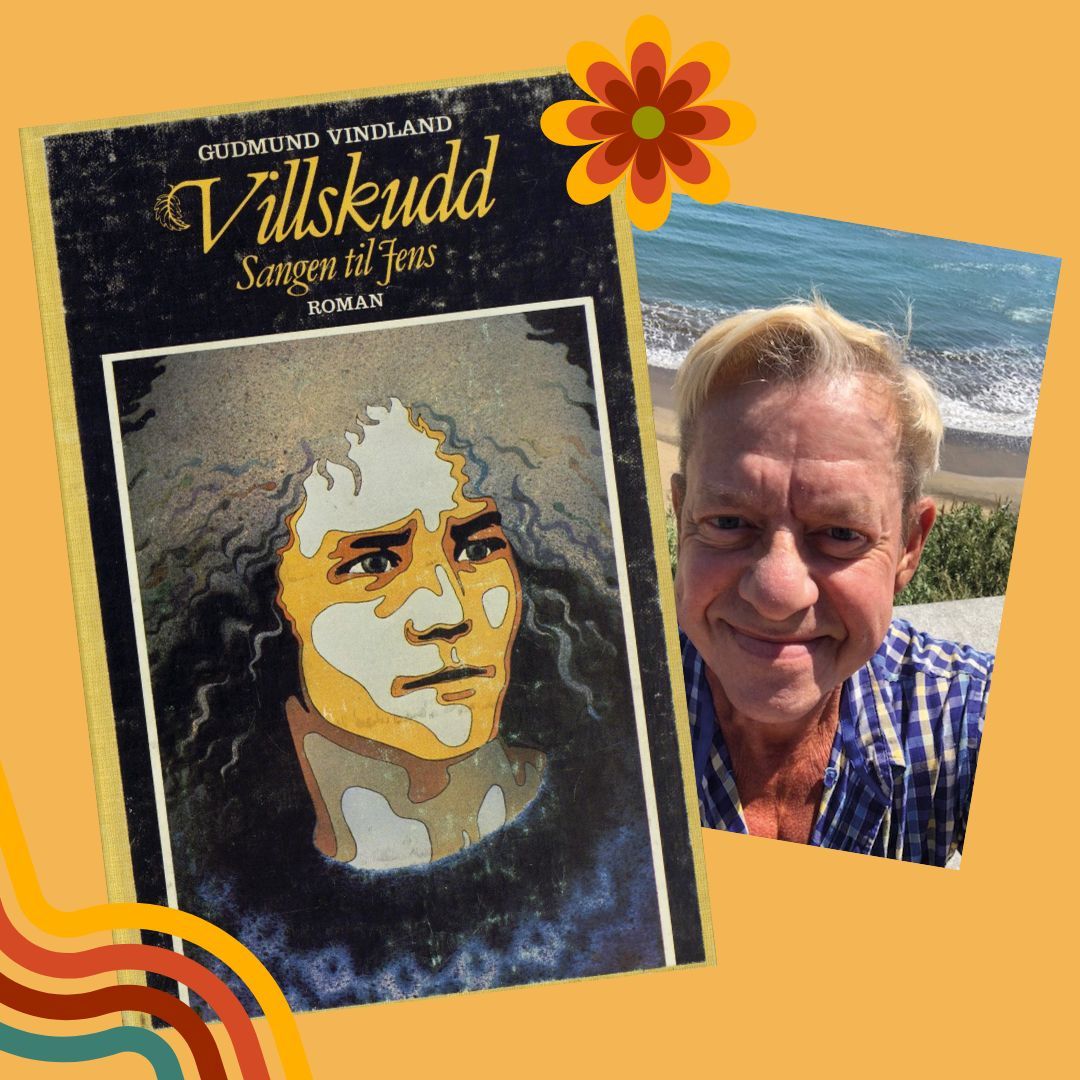
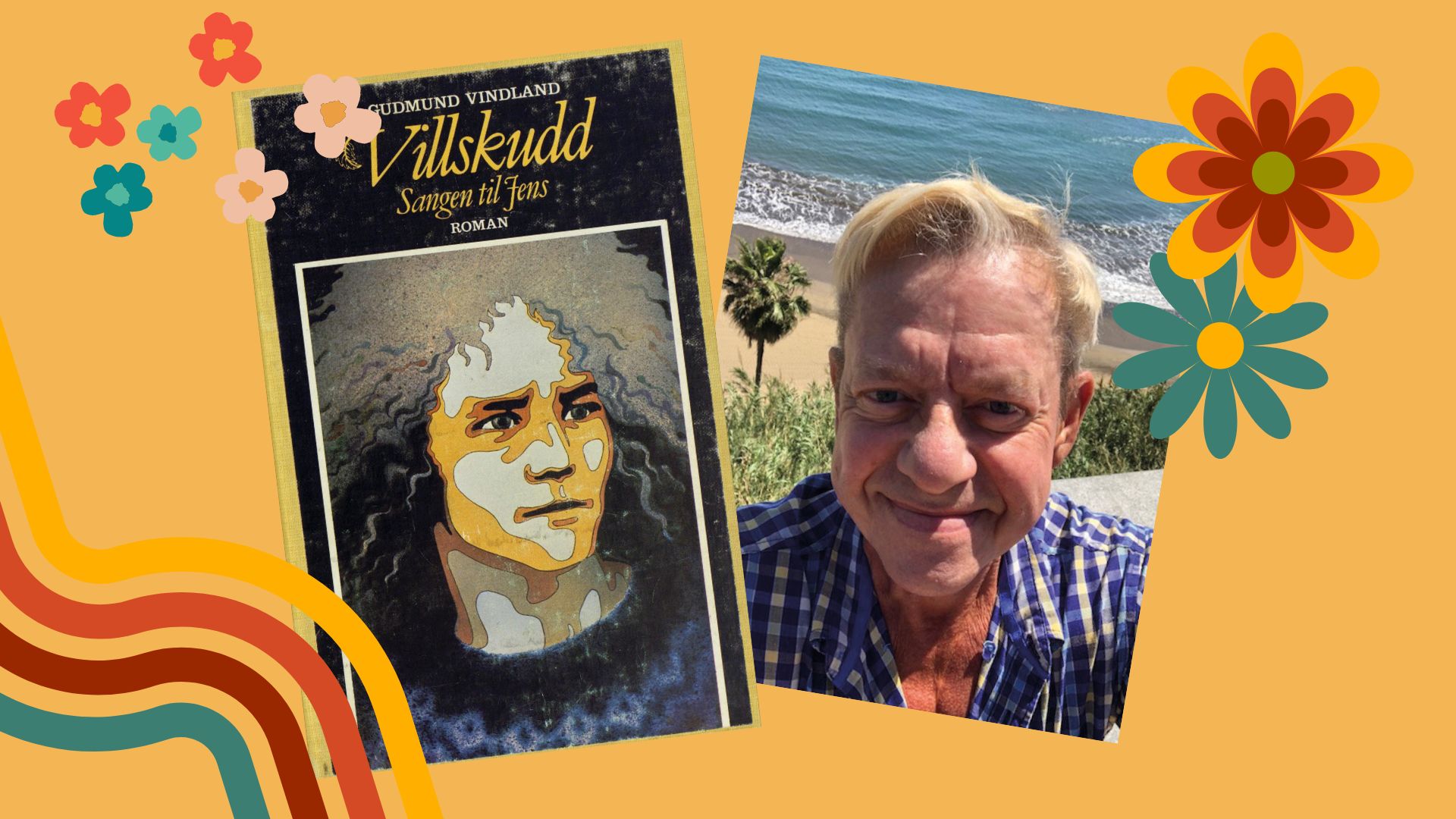
When Godmund Vindsun’s debut novel *Villskudd* was published in 1979 , it caused quite a stir and quickly became a bestseller. Such a story had not been seen before before seen in Norwegian literature, and the book would soon prove to have great significance for many people. It is today considered Norway’s first queer classic, and is set to bebe dramatized in a production at Kilden , premiering in May.
— Everything was sad and terrible
When Vindsun was growing up, there were few LGBTQ+ love stories to be found in literature. Everything he came across was sad and cruel, so he decided to write something beautiful and heartwarming himself. That’s how the novel *Villskudd* came to be. The story takes place in Oslo in the 1960s and 1970s, the last decade when being gay was a criminal offense in Norway.
— In many ways, this was a time of innocence, but unfortunately for those of us who were queer, it was a time of shame. It was difficult to grow up, but those of us who dared to rebel and who actually demanded the right to be ourselves managed to break through that terrible glass ceiling and change society, says Vindsun when we meet him for a conversation in the fall of 2022.
The Right Book at the Right Time
When the book was published in 1979, it was met with an overwhelmingly positive response.
“*Villskudd* was the right book at the right time, and it made a huge impact on the market. It was released in October, and by Christmas, several print runs had already sold out. I hadn’t expected that,” explains Vindsun.
There were also some voices that spoke negatively about the book, including *Aftenposten*, which wrote that it should never have been published. Nevertheless, only *Klassekampen* chose to review the novel, and for reviewer Dag Solstad, the reading experience proved to be deeply meaningful;
This book has taught me a lot about gay communities and gay experiences. And it has taught me a lot about love. Yes, first and foremost, I have read the book as a desperate analysis of the conditions of love. (Solstad, 1979).
According to Vindsun, the book has also attracted a large audience among heterosexual readers.
— It has really surprised me, but of all the letters I’ve received, most are from women who identify with Yngve. To me, that’s proof that homosexuality and heterosexuality are two forms of human love that are completely intertwined. That the feelings are the same.
– I had a guy named Magnus whom I loved more than anything in the world and pursued for four years, but he didn’t want me; he didn’t have the courage
Can you tell us a little about the plot of the book?
— Magnus and Yngve are in middle school and are best friends. When Yngve realizes that he loves Magnus and wants to be with him, he’s in for a shock. He prays to God: “Please don’t let me be gay.” But it doesn’t go away; he’s actually just made that way.
Vindsun has previously claimed that the book is partly based on his own life, but now admits that, unfortunately, he never experienced the story quite in the same way;
— The story between Magnus and Yngve is something I made up. I had a Magnus whom I loved more than anything in the world and pursued for four years, but he didn’t want me—he didn’t dare. So I never got to experience the wonderful things I’ve described there.
Vindsun goes on to explain that the story is actually based on his most beautiful dreams of how things could have been. Watch the video:
– Gasoline to power the battles
During Kilden’s 2023 theater season launch, Artistic Director Valborg Frøysnes spoke with director Erlend Samnøen and actors Fredrik Høstaker and Eirik Langås Jørgensen.
Høstaker explains that when the artistic council at Kilden decided they wanted to produce a work on LGBTQ+ themes, he began searching through the literature. That’s when he came across *Villskudd*, a book he hadn’t heard of before. At the library, he borrowed a worn-out, well-thumbed copy and sat down to read it.
— I was really captivated by the book. It has such courage, passion, and determination that I was quite surprised. After all, it’s a book that deals with gay love so early in Norwegian history.
For Langås Jørgensen, too, the book was a breath of fresh air. Although he was born in the late 1990s, there were few LGBTQ+ love stories to be found when he was growing up.
— I found it fascinating to realize how much I could relate to *Villskudd* when I read it. We didn’t have novels like that when I was growing up—just queer stories where AIDS or something similar was always part of the picture. Never love stories like this.
– Depictions of same-sex marriage or transgender people are still rare
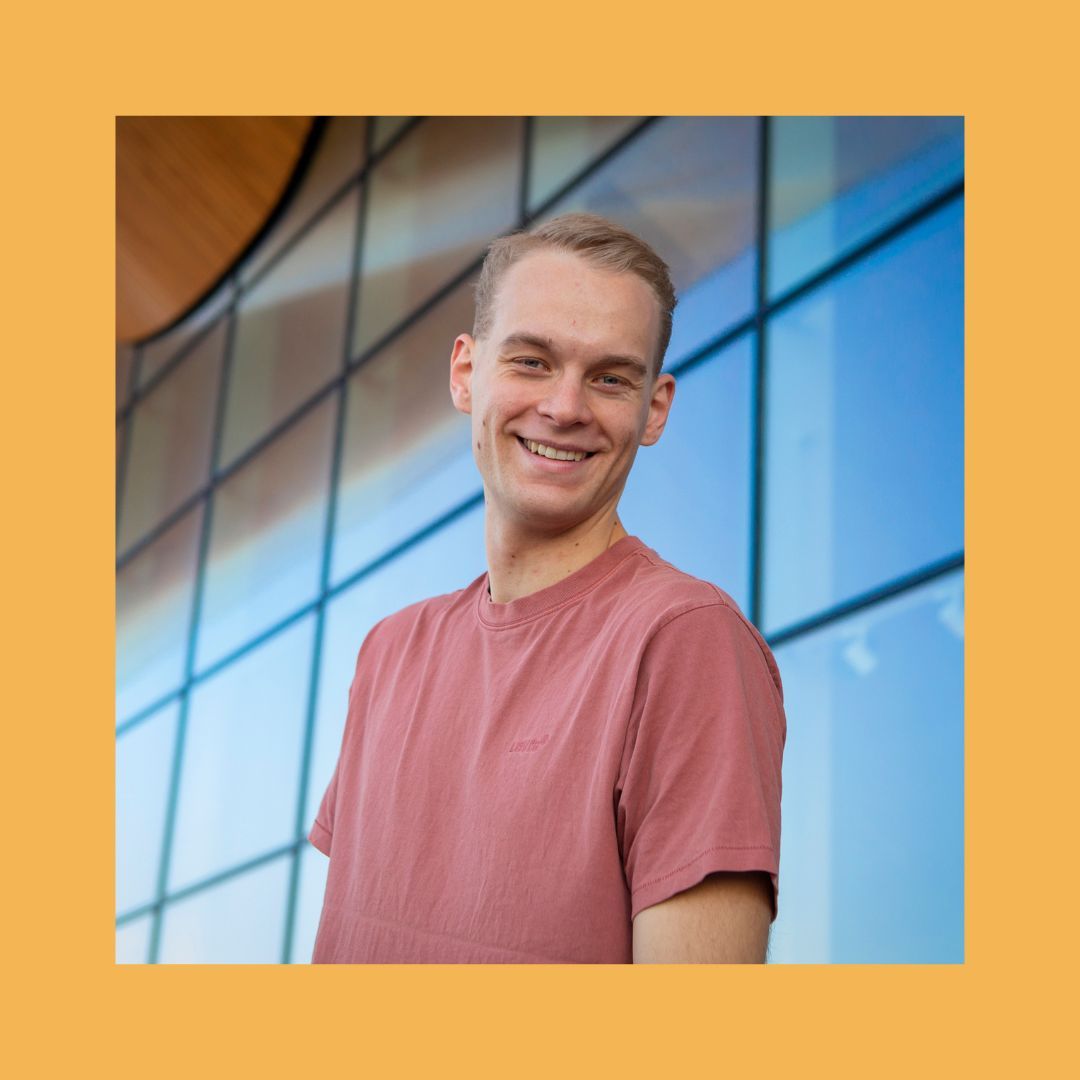
Like Høstaker, Langås Jørgensen was also captivated by the book and glad he’d come across it just now.
— At the same time, I might have needed this book when I was 11 or 12, growing up in a church community in Southern Norway. Because it really gives you the fuel you need to face life’s challenges, stand up for yourself, and find your place in the world. And I think that applies no matter who you are or what your sexual orientation is: how can I find my place in the world, and how can I be myself?
HAS LACKED REPRESENTATION
For theater director Valborg Frøysnes and the rest of the artistic council at Kilden , there were several reasons why it was important to stage a queer love story on Kilden’s stages.
— In many ways, the theater as a workplace has been a safe haven for queer people, but this has not been reflected on stage or in the choice of repertoire. Queer stories have rarely been performed, and when they have been, they have often been tragic stories about the AIDS pandemic, mental health, substance abuse, and social exclusion. We wanted to address this. Additionally, we are located in Southern Norway, where living conditions for queer people have proven to be far worse than in the rest of the country, explains Frøysnes.
In 2018, the Center for Gender Equality released a report commissioned by the counties of Aust-Agder and Vest-Agder, as well as the municipalities of Kristiansand and Arendal, on the living conditions of queer people in Agder. The report clearly showed that living conditions for queer people were far worse than in other parts of the country and that general awareness of LGBT issues was low, which often leads to more discrimination.

According to the actors, we still have a long way to go when it comes to representation on Norwegian theater stages.
— I grew up wanting to be an actor, but it felt like a bit of a hurdle that you had to be a certain type of man to do it. There has definitely been a change there. Characters’ genders are being swapped, and gender isn’t that important in a way. But depicting same-sex marriages or transgender people is still rare, says Høstaker.
Langås Jørgensen agrees, adding:
—Especially lately, I’ve become very aware of—and missed—representation. It’s something we need to work on more, especially when it comes to the trans and non-binary communities, who are facing these challenges right now. It’s important that we work to bring those stories to light.
Watch actor Fredrik Høstaker read an excerpt from the novel: