Sugar and Slavery
Text by:Roar Løken
Kill Devil:
Sugar and Slavery
Sugar and Europeans' sweet tooth turned out to be the most important factor driving the Atlantic slave trade.
It is somewhat unclear where sugarcane originated, but its cultivation gradually spread throughout Asia, and the Arabs became familiar with sugar, likely as a result of trade along the Silk Roads. The Persians spoke of “reeds that produce honey without the help of bees.” As early as the 800s, sugarcane was being cultivated in Mesopotamia, the land between the Euphrates and Tigris, with the help of slaves who had been brought from East Africa by the Arabs. Europeans likely first learned of sugarcane during Alexander the Great’s campaigns eastward. As a result of the Crusades and Muslim expansion westward, cultivation began on the Mediterranean islands, in Andalusia, and along the Algarve coast. Much of the cultivation was carried out with the help of slaves, but a shortage of labor was a constant problem. The difficulties became significantly greater after the Ottoman Empire conquered Constantinople in 1453. This made it much more difficult to obtain slaves from the areas around the Black Sea. (The use of Slavic peoples as slaves is the origin of the word “slave”).
When the Portuguese began their expeditions southward along the coast of Africa in the 1400s, it wasn’t long before they established sugar plantations on the islands in the Atlantic. They soon discovered that Madeira was particularly well-suited, but the Cape Verde Islands and the Azores were also suitable. As they traveled further down the coast, they discovered the islands of São Tomé and Príncipe in the Gulf of Guinea. Here, too, conditions were ideal for sugar production. They solved the labor problem when they discovered that it was possible to trade for Africans along the African coast who could be used as plantation workers.
In Europe, sugar was still expensive, and in many countries only the wealthy could afford it. In the early days, it was sold in pharmacies. The high demand for sugar and its high prices made it tempting to expand production; the market wanted sugar—more sugar than producers could supply.
On his first expedition across the Atlantic, Columbus brought sugarcane with him from the Canary Islands. When he arrived on the island of Hispaniola (now Haiti and the Dominican Republic), the sugarcane was planted there. It soon became clear that they thrived there. Therefore, it didn’t take long before the first plantations sprang up on the other side of the Atlantic. The Portuguese were also early to start sugar plantations in Brazil.
In the initial phase, various attempts were made to recruit workers for the plantations. It soon became clear that efforts to send European convicts or to persuade poor people in Europe to take on the work were largely unsuccessful. The same was true when attempts were made to use the Native Americans to work on the plantations. Indeed, Columbus even planned to capture people from the Taino tribe and send them to Europe so they could be used as labor on the plantations there. Queen Isabella I put a stop to this. She regarded all the people in the New World as her subjects, and as long as they did not turn out to be cannibals, she decided they could not be enslaved. The result was that after a short time, the Spaniards in America had decided that the Caribbean people were cannibals.
The Catholic Church had its own view. It believed that since the people of the Americas were not mentioned in the Bible, they could not possibly be descendants of Adam and Eve. Therefore, they could be regarded as “natural slaves.” Many members of the tribes encountered by the Europeans were put to work on plantations and in mines, and things went badly.
The Spanish missionary Bartolomé de Las Casas (“the Apostle of the Indians”) had witnessed how the indigenous people were treated by the Spanish colonists. He believed this was unworthy and contacted the authorities in his home country. What he reported caused a great stir and led Charles V to issue a ban on enslaving indigenous peoples. Unfortunately, the missionary was solution-oriented and suggested that the Spanish authorities instead bring Africans to the Americas and use them as slaves. This was a suggestion he would come to regret when he saw how they were treated. In the early days, enslaved people were purchased by Portuguese merchants, since the Pope had granted the Portuguese exclusive rights to trade in West Africa.
In the 17th century, other European powers joined the race to acquire colonial territories in the Americas. This led to a sharp increase in the number of plantations of various kinds. It is estimated that approximately 12.5 million enslaved Africans were shipped across the Atlantic and that around 10 million arrived alive. Of these, 49% went to the Caribbean islands, 41% to Brazil, and only 4% to the American South. The Danish-Norwegian slave trade accounted for approximately 1% of the transatlantic slave trade.
In the Danish West Indies (now the U.S. Virgin Islands), the primary focus was on sugar production, and it quickly became clear that St. Croix offered the most favorable conditions. In 1751, it was reported to Denmark that there were now 64 sugar mills in operation on the island.
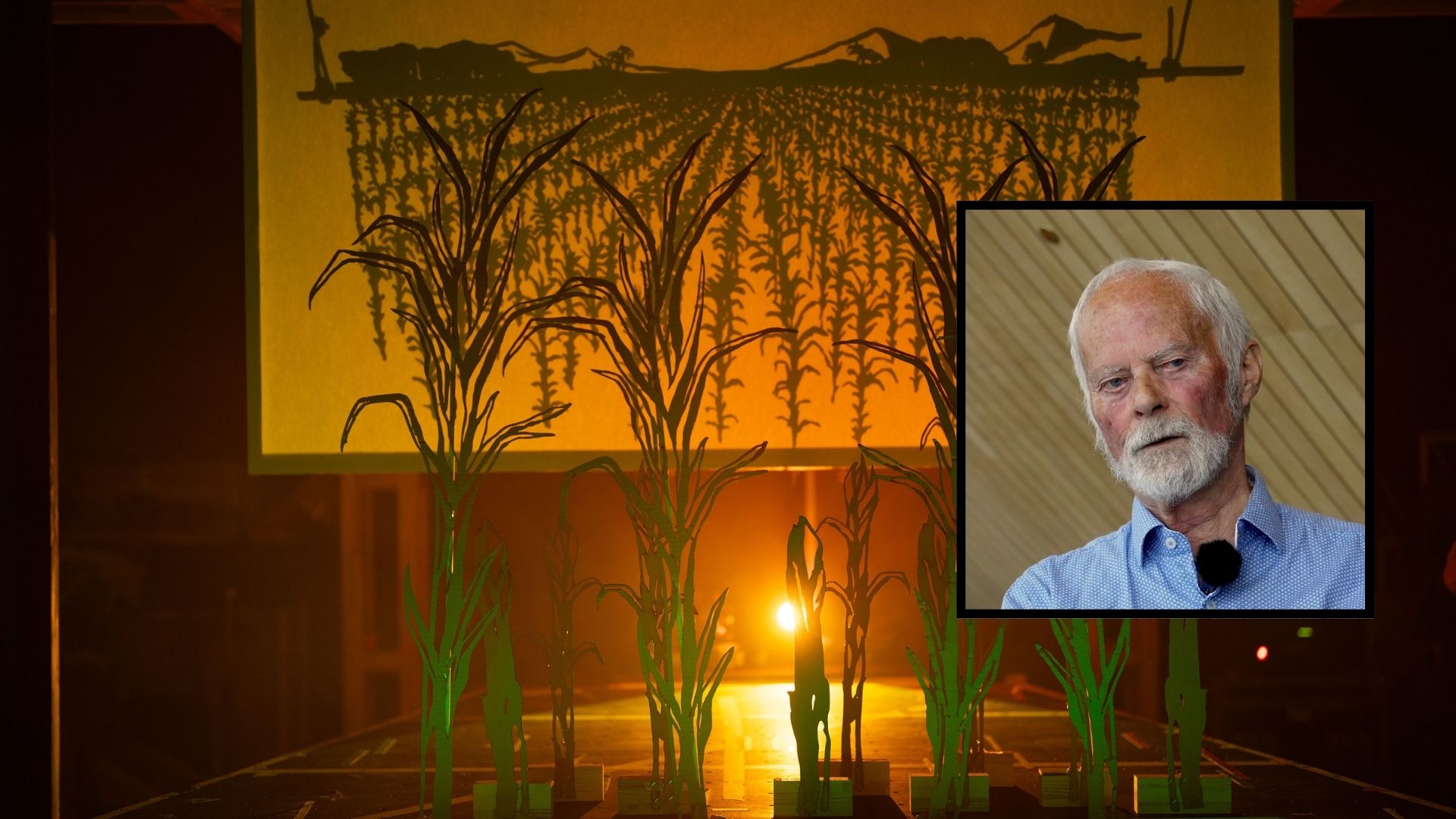
The cultivation process began with plantation workers digging holes about 20 cm deep in the ground. They then planted 80-cm-long sugarcane cuttings in these holes. The children had to weed during the growing season. During the harvest, workers of both sexes lined up in rows. The canes were cut using cutting knives (a type of machete). The canes were then bundled together and transported to the sugar mill using ox carts or donkeys. To achieve good results, it was important to press the canes no later than 24 hours after they were cut. At the mill, the cane was pressed between three vertical iron rollers, and the sugar juice was then boiled down. Workers often had to work 18–20 hours straight during this period. The raw sugar and the byproduct molasses were sent to Denmark, and later also to Norway, to be refined. It was here, in the refining process, that the profit lay. In Norway, there were sugar refineries in Bergen, Trondheim, and Halden.