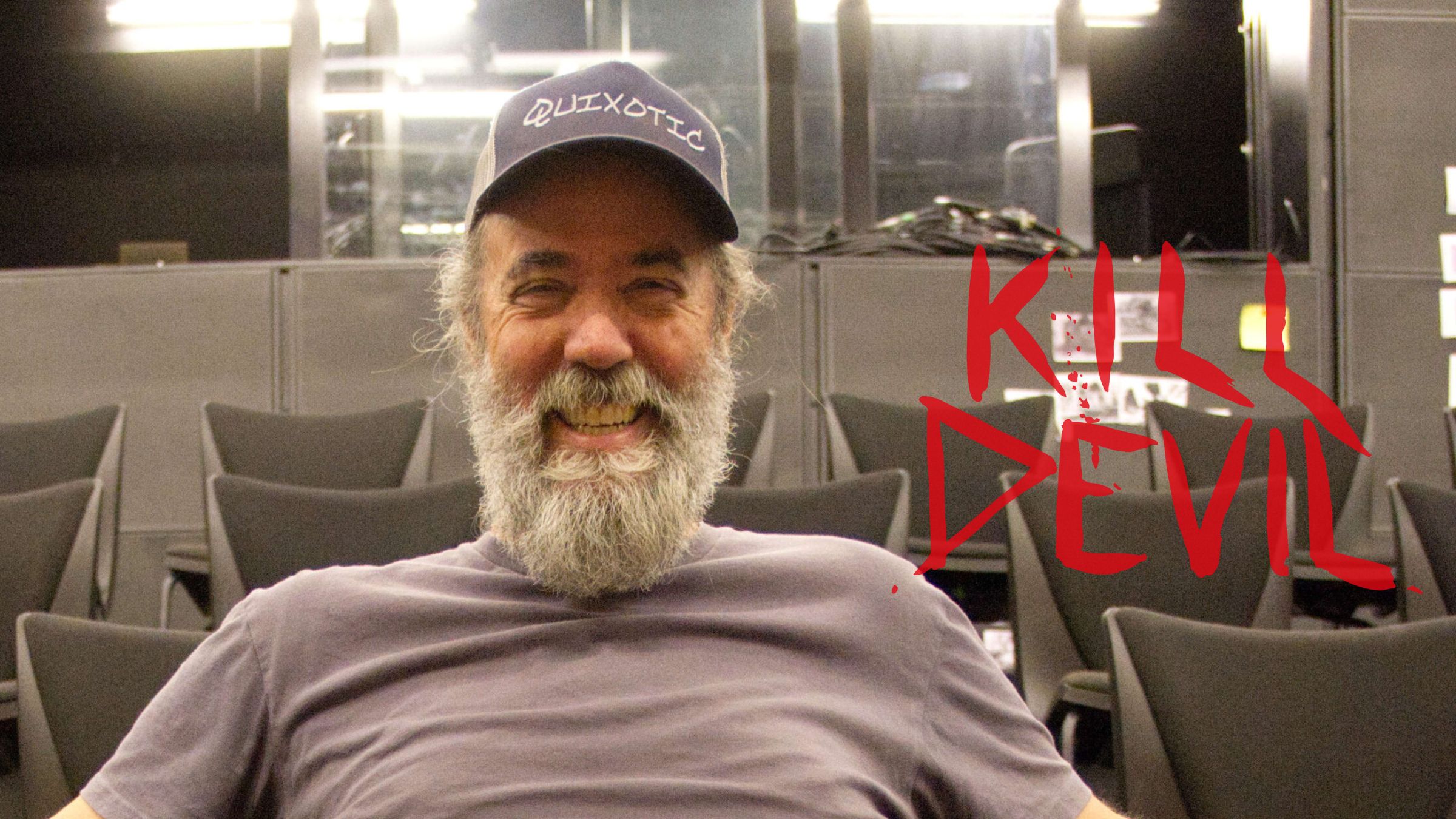
The magic of theater tells the story of the colony
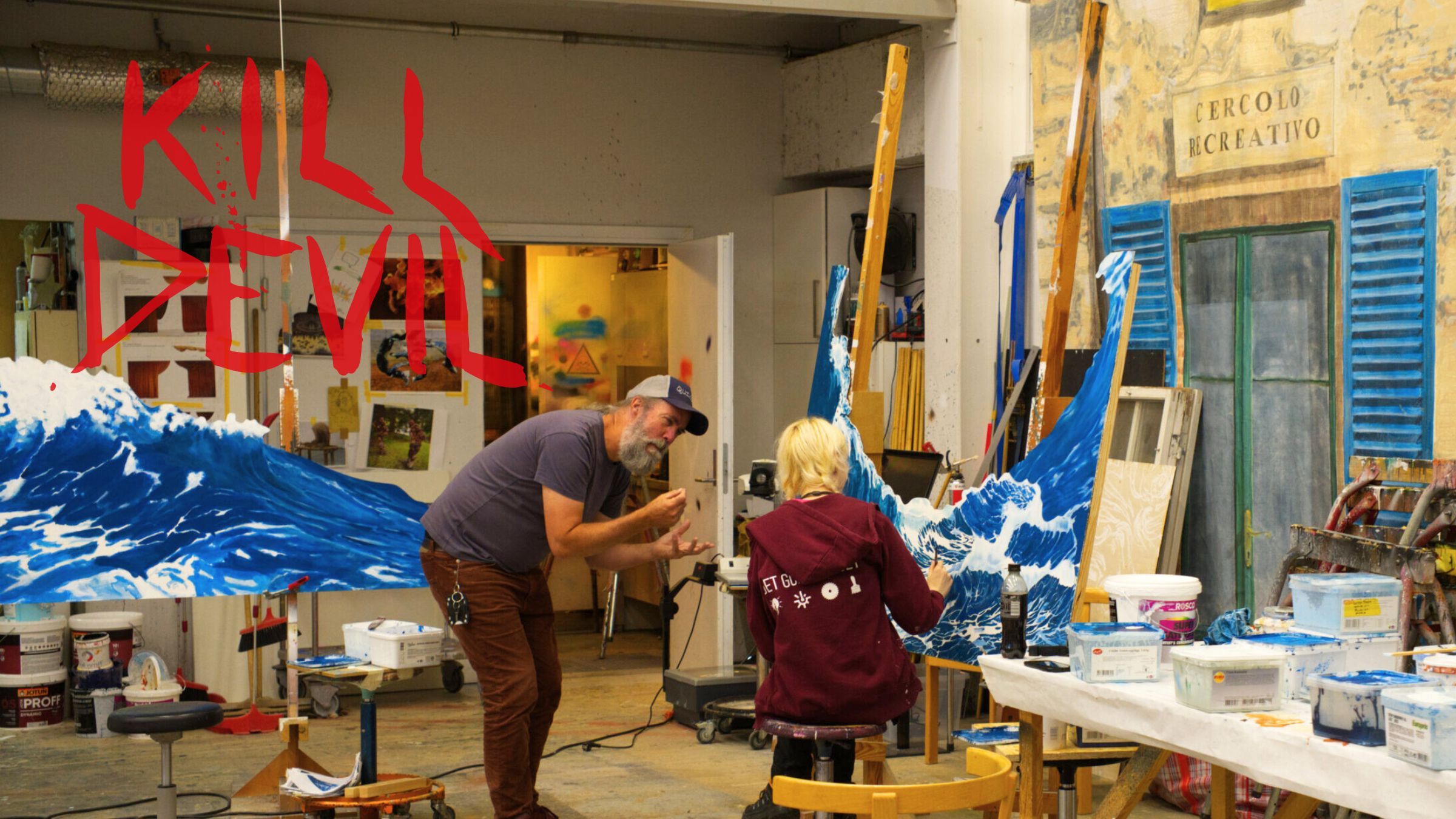
Magic from the workshop at Kilden
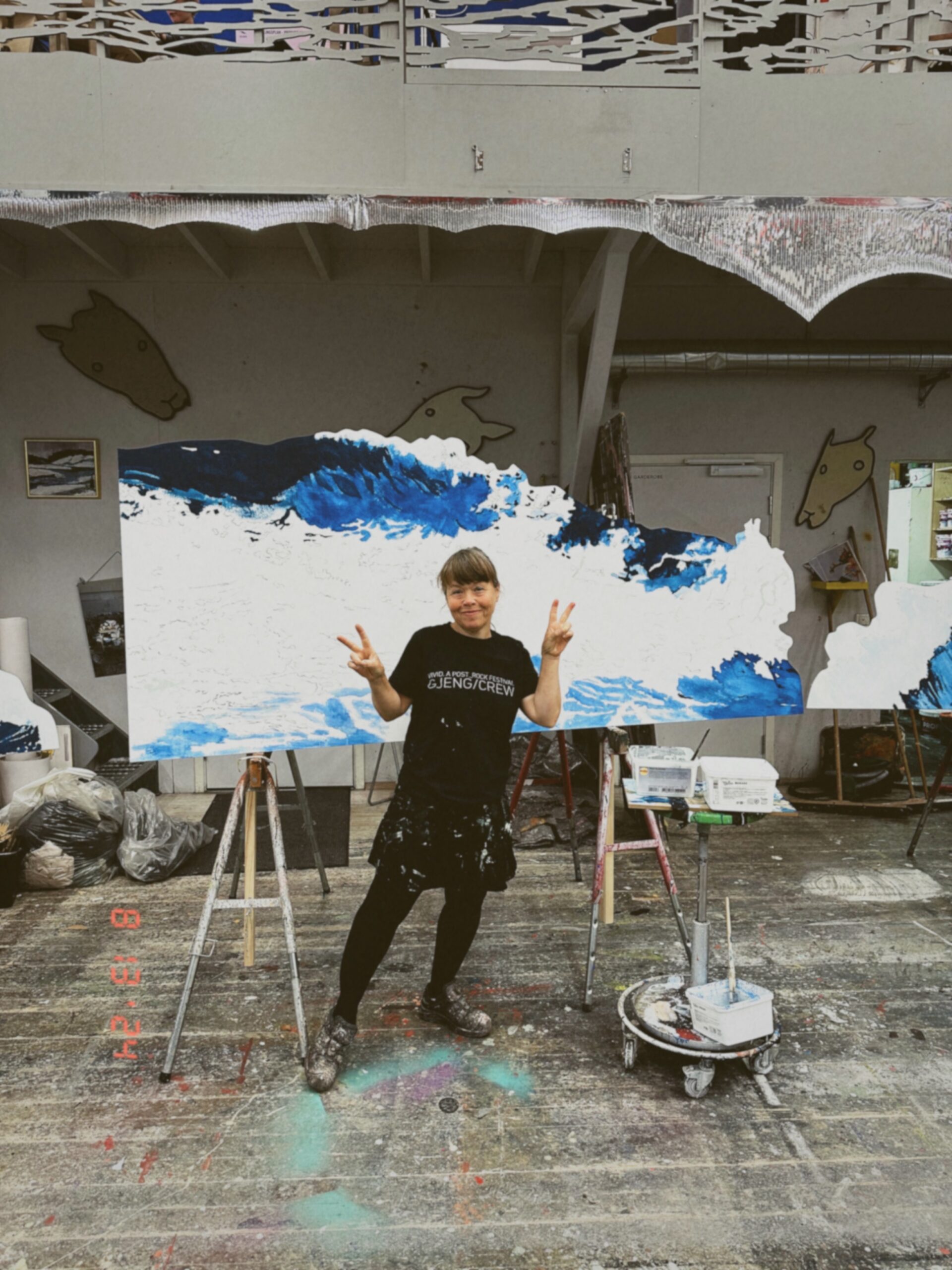
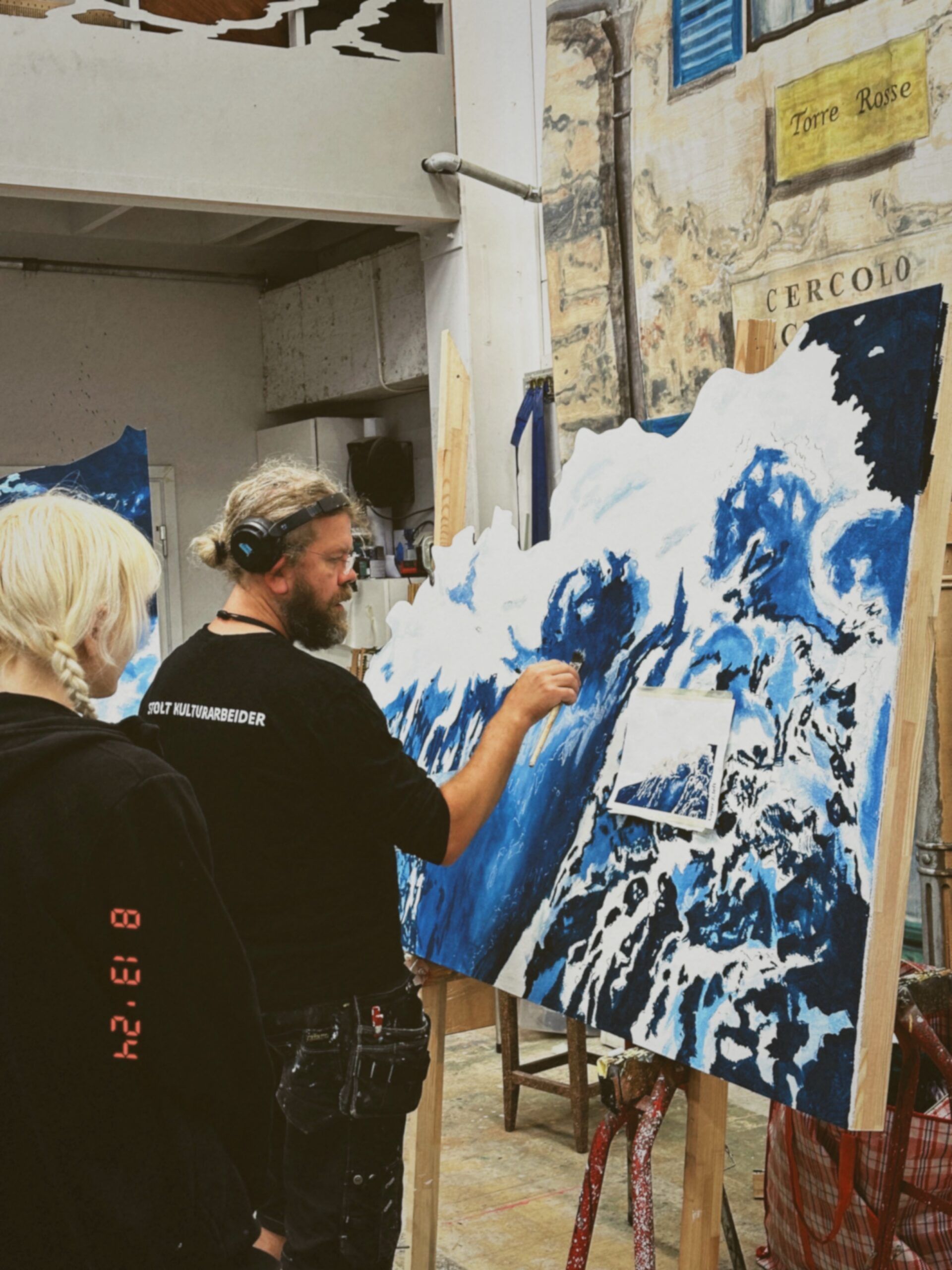
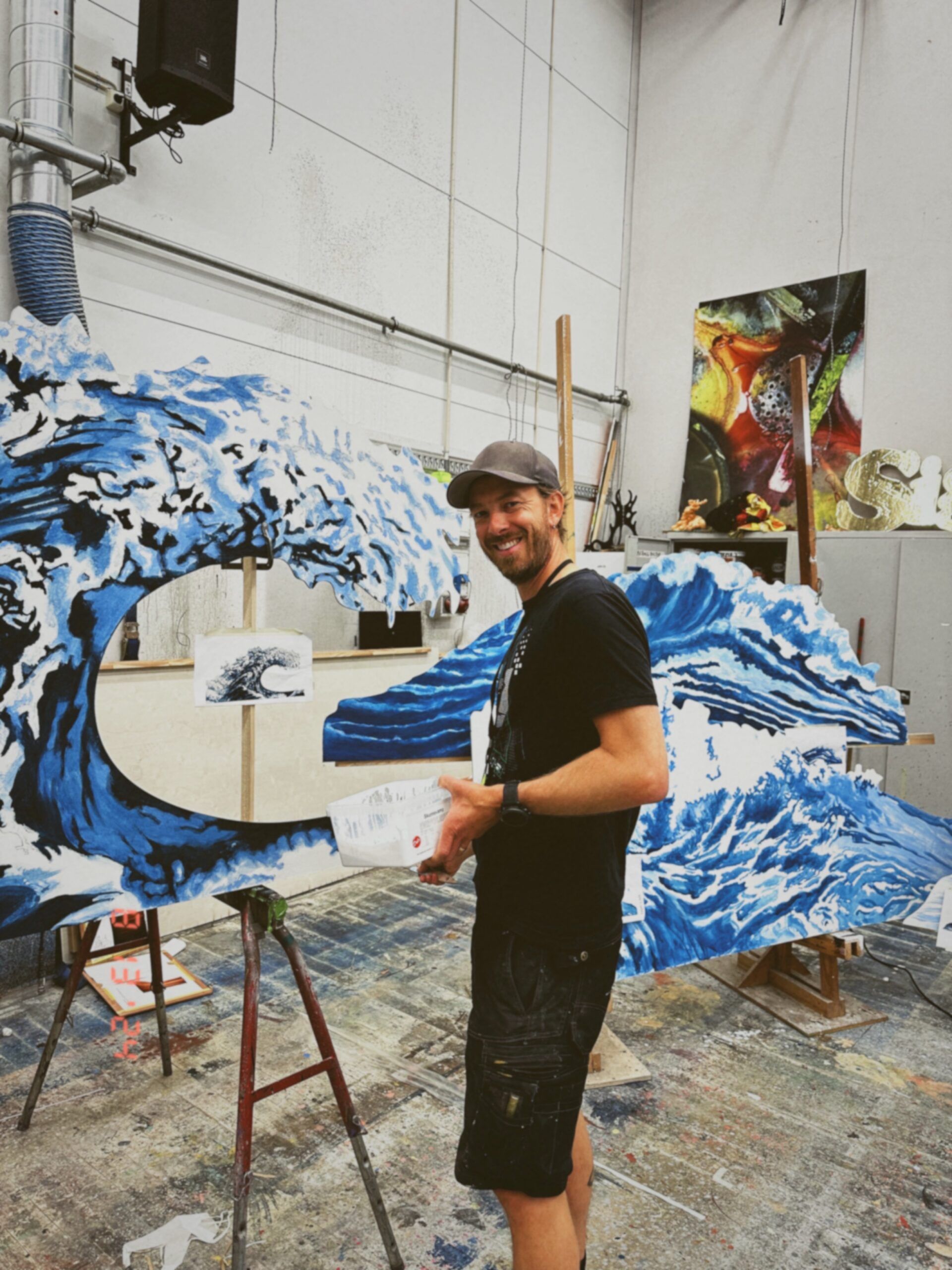
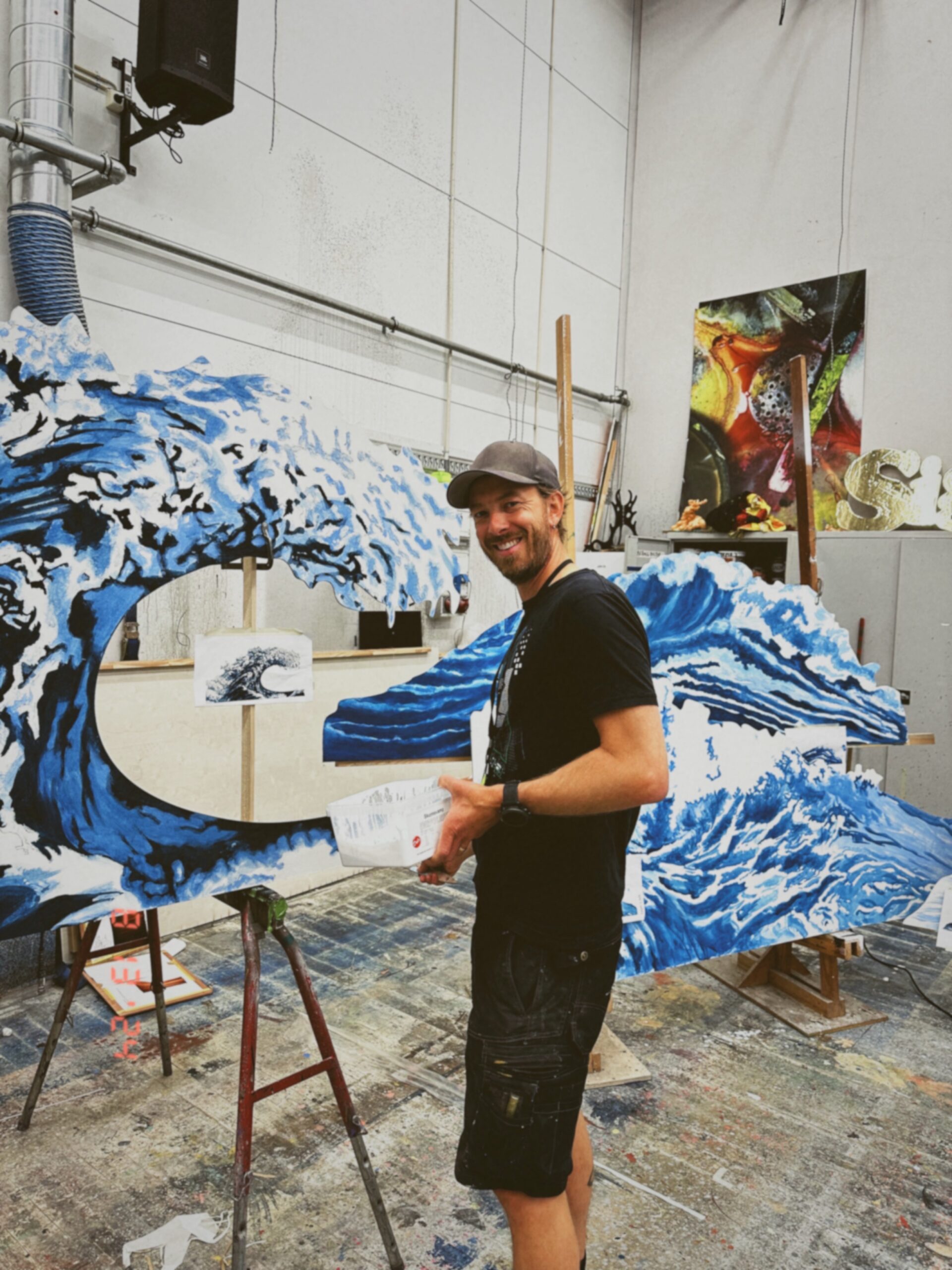
Just behind Kilden its monumental wave-shaped facade facing the sea, lies the workshop. A yellow, perhaps somewhat unassuming building, from which stage sets and impressive structures are constantly being rolled out through the gates. Behind the creative team—comprising painters, carpenters, engineers, and product developers—stands the energetic Mike Troxel.
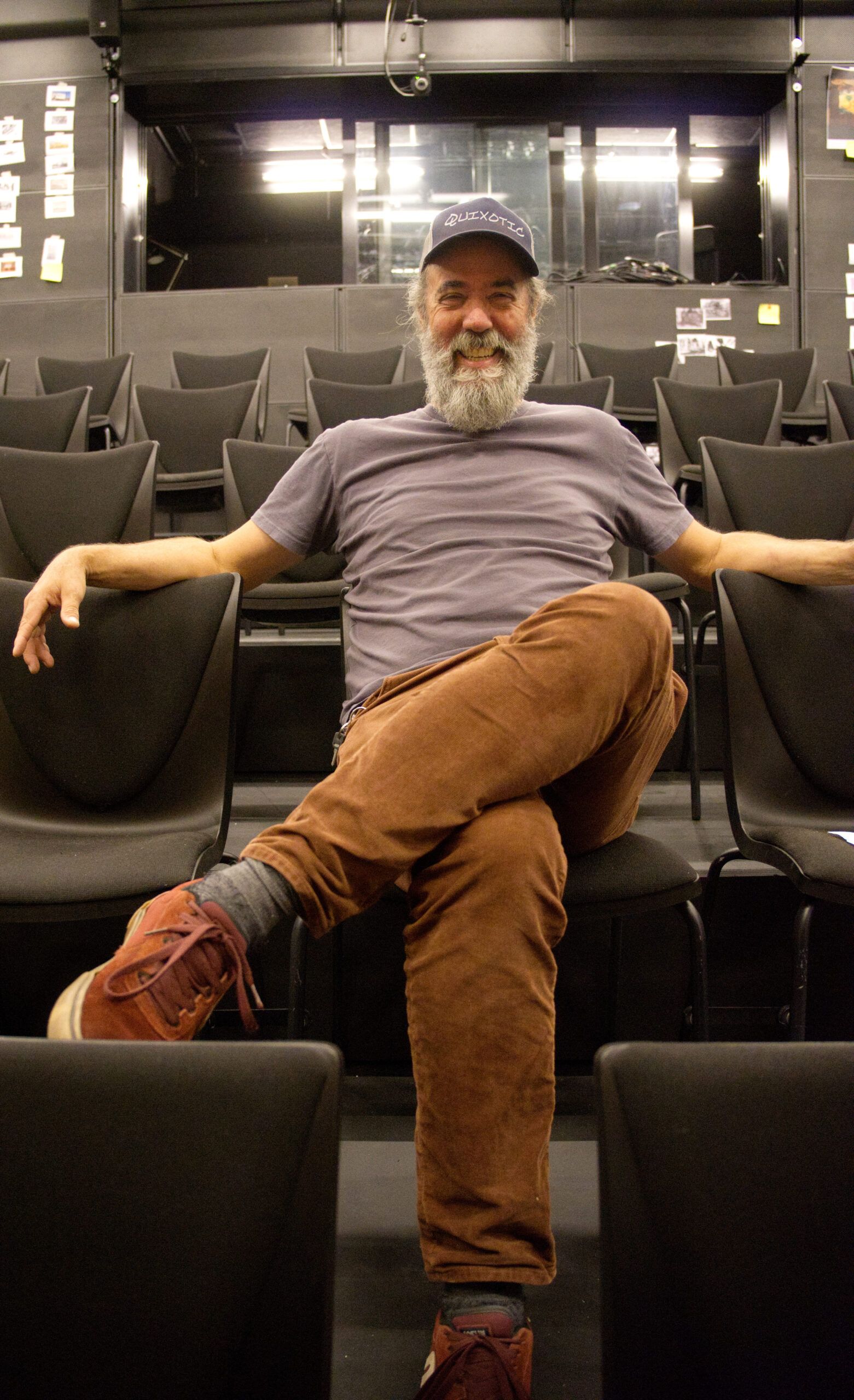
One satisfied American in the audience in intimsalen Kilden
—Fantastic!
In Intimsalen Kilden , the American Kilden in the audience, studying an intricate structure that has been erected on stage. Strings, pulleys, rails, and hours of planning have brought this impressive wooden rigging to life. Everything has been designed, planned, and assembled here in the workshop at Kilden the production *Kill Devil*.
“This project is perhaps the one I’m most proud of here at Kilden. I’ve never seen anything like what we’ve created in the workshop this time— it’s simply amazing,” says Mike.
It’s hard not to be swept up in Mike’s enthusiasm; he talks nonstop about the project. He shifts back and forth between the present, the future, and the past—what they’ve done, what they plan to do, and what they should have done. Mike begins to pull on a rope attached to the ceiling of the stage.
“If you pull this, elements will move at the other end of the stage,” says Mike. Before launching into a rather lengthy explanation of how to convey the sensation of a roaring sea on stage.
To create this structure—or perhaps this work of art—everyone’s skills have been put to the test.
— “If you work in the workshop at Kilden not ‘just’ a carpenter; you also have to be a problem-solver and a good listener, ” says Mike.
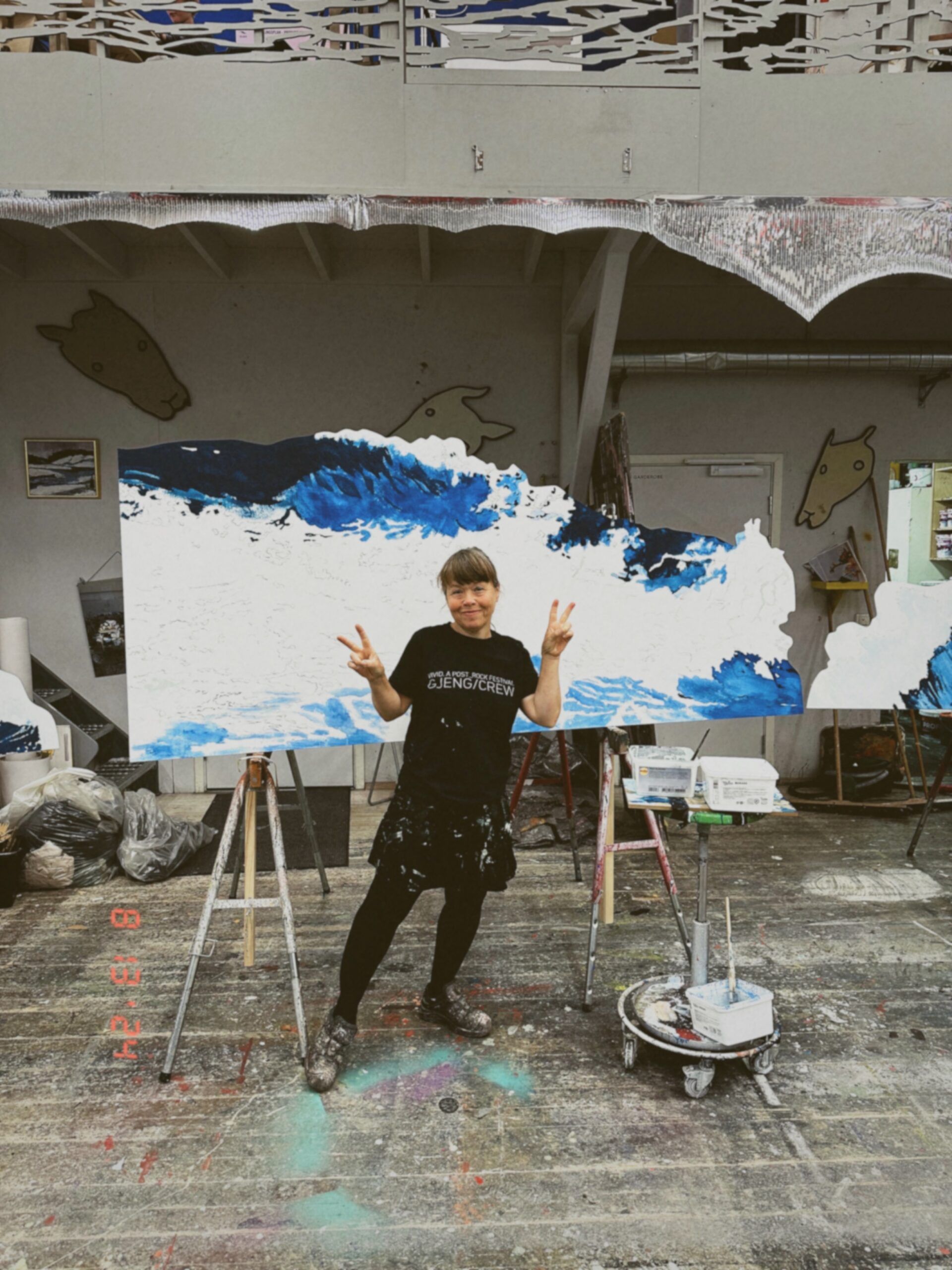
A wooden topsail rig
Building a complete rigging system out of wood—contrary to common sense and the industry standard of aluminum—is both time-consuming and challenging, but it is deeply rooted in the production’s theme.
Norwegians’ involvement in the international slave trade is directly linked to our status as a seafaring nation. Long-distance transport at that time usually took place by sea, and nations that profited from the slave trade often played a key role in international shipping, whether as shipowners, shipbuilders, or captains. Nearly 80% of Norway’s oak forests were located in Southern Norway, which contributed to the Agder counties becoming a sought-after region for shipyards that both built and repaired ships using timber from Southern Norway.
Recreational diver Leif Svalesen discovered the wreck of the slave ship Fredensborg off the coast of Arendal in 1974. The discovery included hippopotamus teeth, ivory, and shackles used to chain enslaved people during the voyage. The find shed new light on the Nordic slave trade and its consequences.
In the production *Kill Devil*, director Petter Width Kristiansen explores the history of Norwegians during the colonial era through images and shadow theater.
In Intimsalen , the structure Intimsalen toward the ceiling, with a facade designed to resemble a Norwegian stave church. Mike is pleased with how the piece has turned out.
"Coming up with a concept that meets the artistic team’s expectations can be a long process," says Mike.
“Sometimes the director and set designer come to me with technical drawings on graph paper that are accurate down to a tenth of a millimeter, while other times I get a crumpled napkin with a few sketches. Kill Devil probably falls somewhere in between, and there have been plenty of challenges,” Mike smiles.
New technology, old storytelling
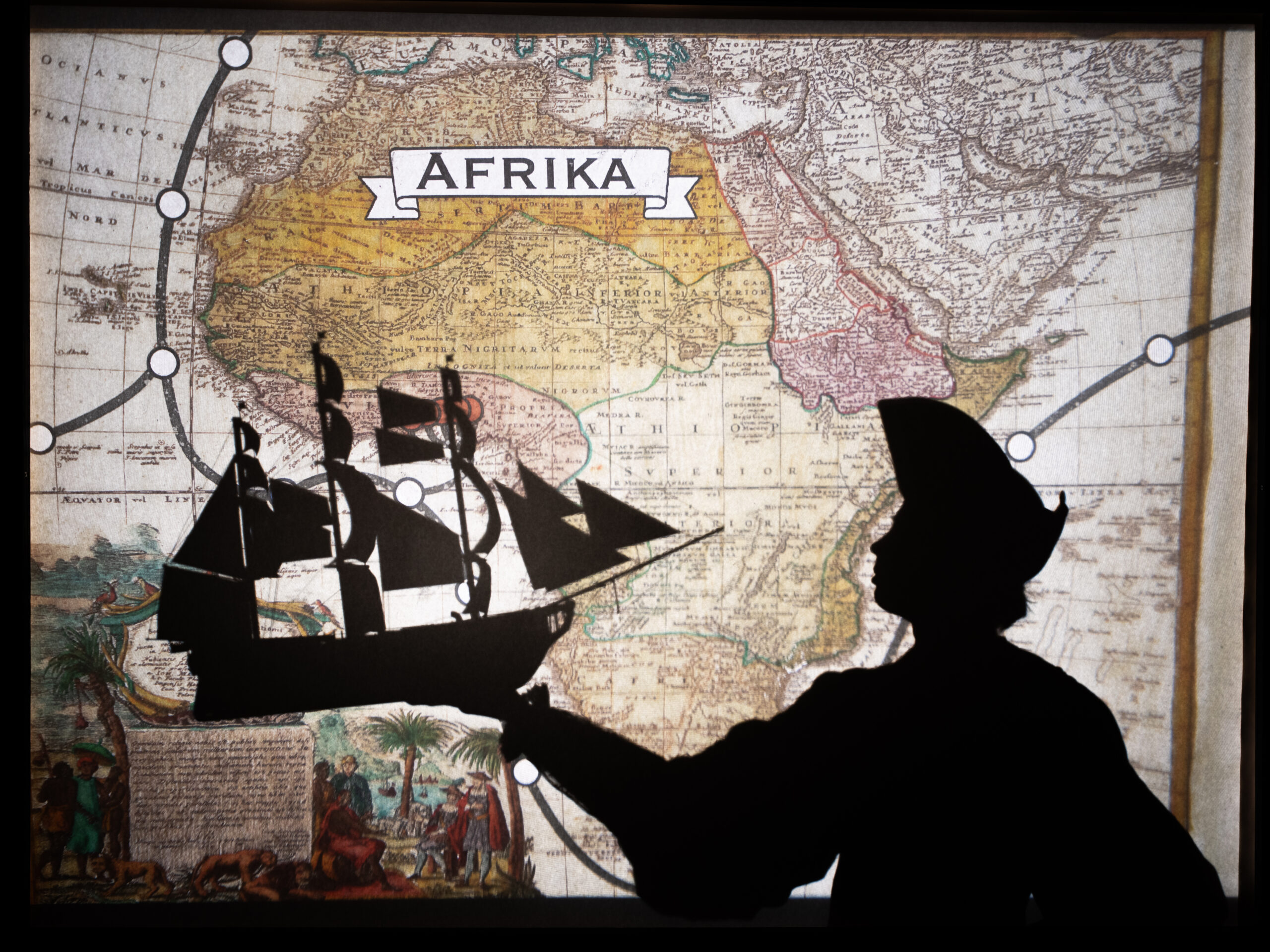

An important part of the performance is the use of shadows. A large laser cutter in the workshop has painstakingly cut out tiny details that give the shadows a level of detail that, just a few years ago, we could only have dreamed of.
“Imagine cutting out all those details by hand,” Mike grins.
On the table lies a ship with ropes and sails; just beyond it is an eye, with every hair around the eyeball depicted. The elements are backlit against a white canvas, giving the lifeless cardboard pieces the illusion of being alive.
Mike and the workshop at Kilden earned a solid reputation outside of Kristiansand as both solution-oriented and creative problem-solvers—perhaps because the workshop manager has a hard time saying no?
“I rarely say no, and I like a challenge—after all, our work is all about problem-solving,” says Mike, enthusiastically describing some of the challenges they’ve faced in connection with the production.
“This has been so much fun!” Mike exclaims in his native language.
The production has received very mixed reviews, ranging from a score of 6 to less positive feedback. It is clear that the production resonates with audiences, and since its premiere, nearly every performance has been sold out.
“I think this is one of the coolest things we’ve ever created here at Kilden, and we’ve created a lot of cool stuff. You get drawn into the story in a completely unique way, both physically and emotionally. The word ‘fantastic’ doesn’t even begin to cover it,” says Mike, pausing to think.
— Supersonic and formidable!