Sign Language in *The Tin Soldier*
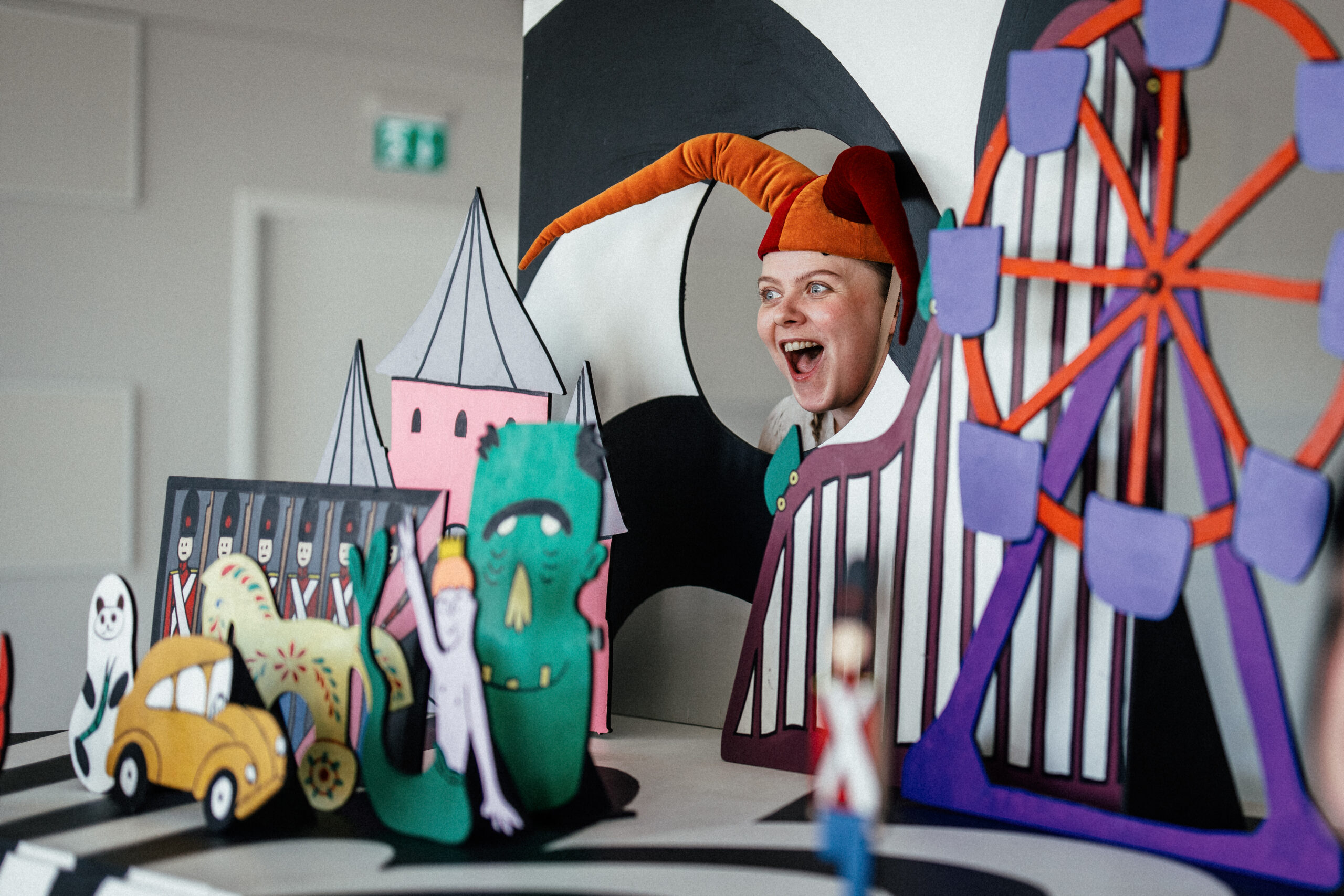
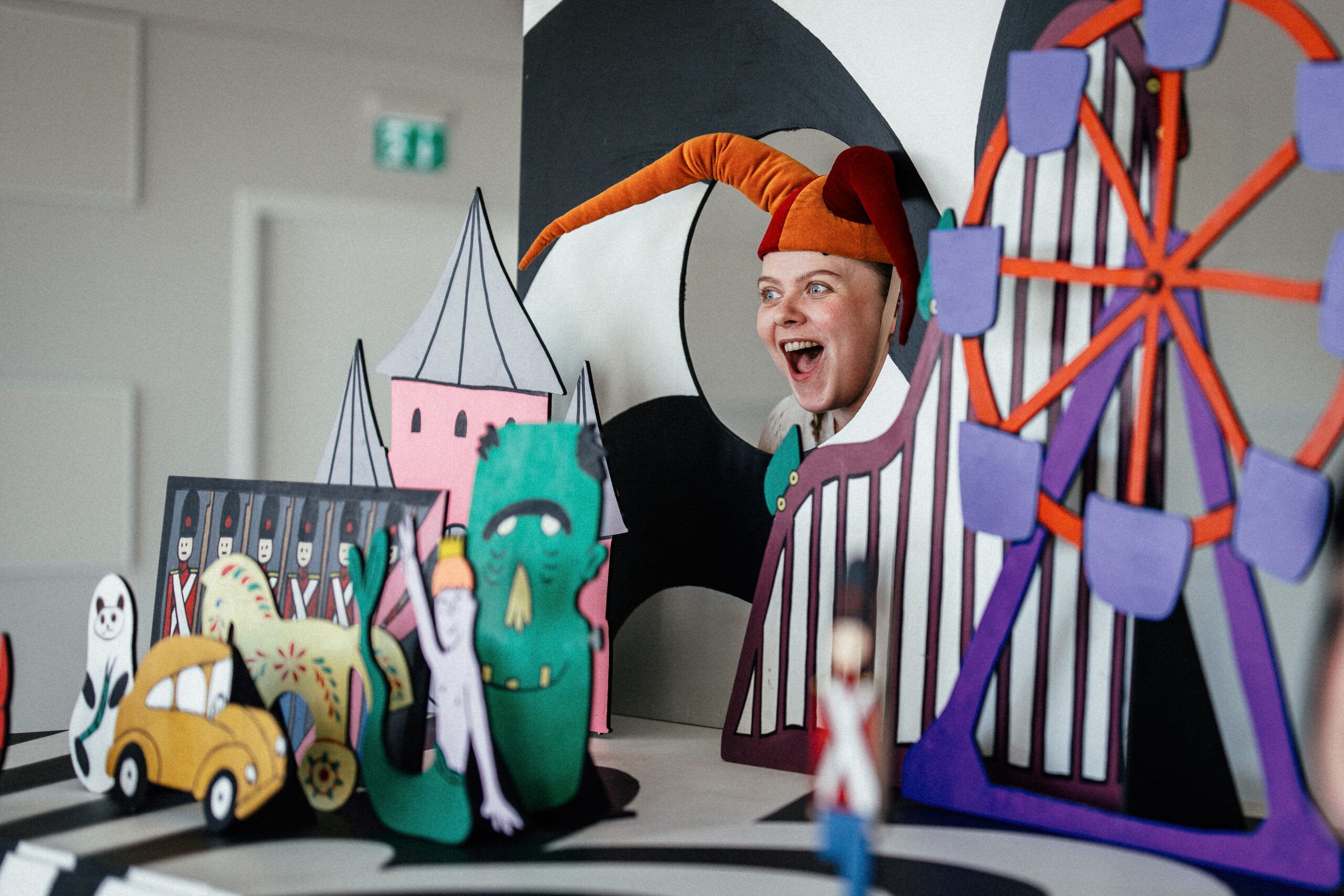
H.C. Andersen’s *The Steadfast Tin Soldier* will open at Kilden January and embark on an extensive tour throughout Agder. During the final week before the premiere, there has been a flurry of activity in Kilden rehearsal hall, with Eli Steinum from Tegnsentralen on hand to coach the actors in sign language.
“Sign-to-speech is a visual language aid that benefits all children and enhances the experience for everyone—young and old, hearing and non-hearing alike,” explains Steinum.
Kilden wanted to use sign-to-speech in the performance to make theater accessible to a group that may not always be able to participate or fully benefit from artistic and cultural experiences that rely solely on spoken language.
“This is a great initiative, especially for children with Down syndrome, autism, preverbal children, children who speak a foreign language, and children with hearing loss,” explains Steinum.
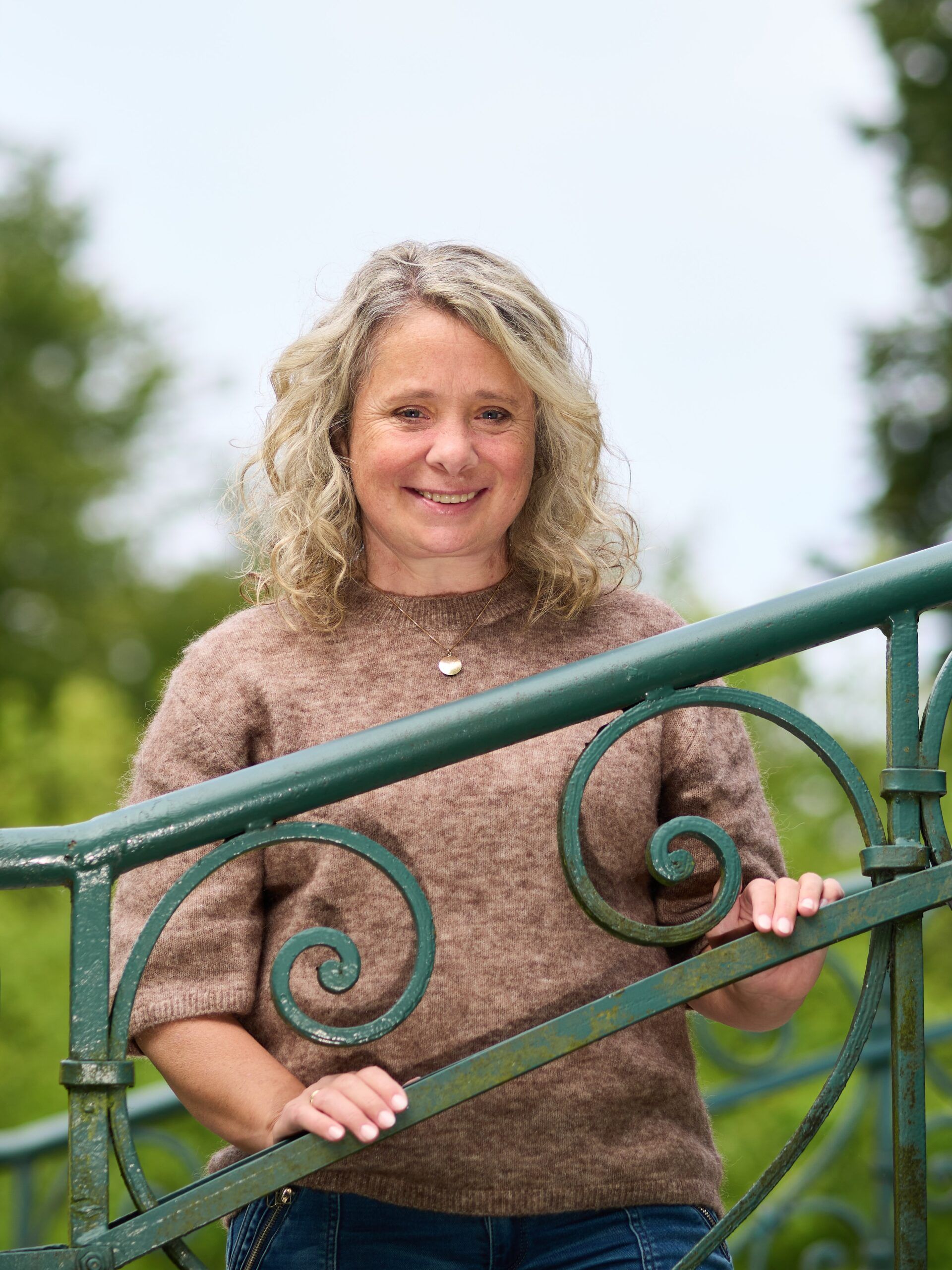
Steinum is the owner and general manager of Tegnsentralen, which works to promote the use of sign-to-speech and provides guidance, courses, and training materials. She has been present at several rehearsals to assist the actors and the director in implementing sign-to-speech. She grew up with sign-to-speech herself and is passionate about providing all children and young people with a supportive language environment.
“Children who, for various reasons, struggle with language also have the right to experience culture and children’s literature,” says Steinum, making no secret of the fact that she is pleased that Kilden incorporating sign language into the production *The Steadfast Tin Soldier*.
– Since Kilden to use sign language in this performance, many children and adults will be exposed to sign language; for some, this will be their first encounter with it. Perhaps it will spark their interest and make some of them want to learn more about sign language?
Steinum goes on to say that working with symbols is a preventive measure and can help lay a solid foundation for children who may struggle later in life.
“It costs more to repair what could have been prevented,” she adds.
Many of us may have already encountered signs, in the form of sign language, but there are significant differences between sign-supported speech and sign language. The latter is a language in its own right, comparable to Sami, for example, while sign-supported speech is an aid that reinforces the spoken language.
Steinum is traveling down from Bergen herself to attend the premiere at Kilden before the production heads out on tour. Although she appreciates the efforts of the creative team, the actors, and the entire crew, she wishes more people would use text-to-speech technology.
“This is a prime example of everyday inclusion, and it’s not at all difficult to get started,” she concludes.