A WEATHER STORM OFF THE COAST OF TVEDESTRAND LED TO THE FLYING DUTCHMAN
The Flying Dutchman
March 1–6 at Kilden
A WEATHER DRAMA OFF THE COAST OF Tvedestrand led to
THE FLYING DUTCHMAN
—
The famous German composer Richard Wagner experienced a highly dramatic event in his life, which involved a violent storm, a refuge on Borøya in Tvedestrand, and ultimately led to the world-famous opera *The Flying Dutchman*.
The incident took place in 1839, when Wagner and his wife Minna were fleeing creditors in Riga aboard the schooner *Thetis* en route to London. The journey would prove to be anything but easy. Along the way, they were caught in a violent storm in the North Sea. The ship was tossed about by the powerful waves, and it was a struggle for survival for everyone on board. Wagner later described this experience as one of the most terrifying of his life.
“The journey through the Norwegian skerries made a profound impression on my imagination. The legend of the Flying Dutchman, as I heard it confirmed by the sailors themselves, took on a distinct, personal quality for me that it could never have achieved without the maritime adventure I had experienced,” Wagner has said.
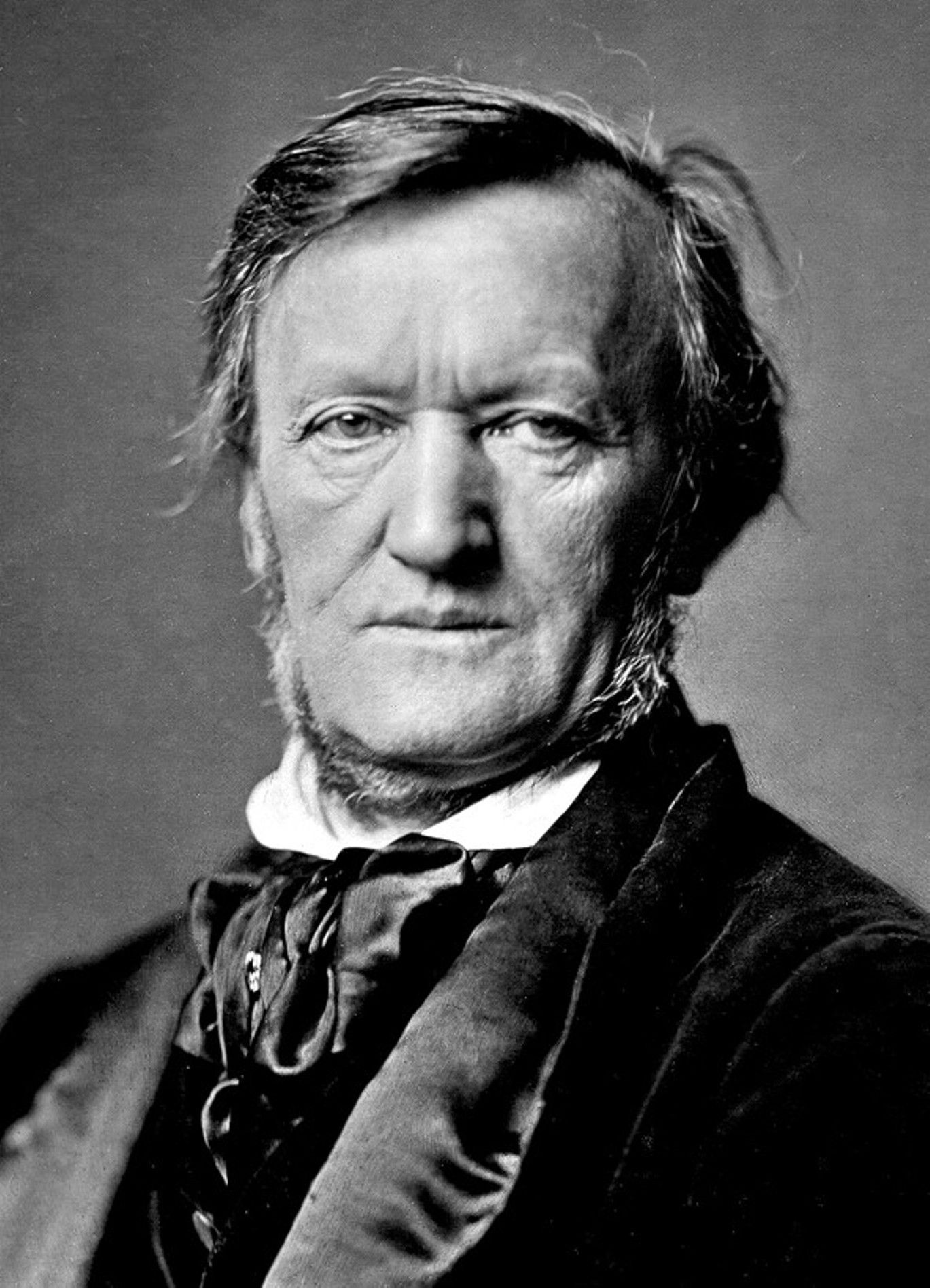
Richard Wagner
Reflection
Borøya in Tvedestrand thus became a temporary refuge for Wagner and the other passengers. The island is known for its beautiful scenery and peaceful surroundings, but for Wagner, it was first and foremost a place where he could find safety after his dramatic ordeal at sea. While they waited for the storm to subside and the ship to continue its journey, Wagner and Minna spent several days on the island.
His stay on Borøya gave Wagner time to reflect on his life and career. He was already a renowned composer, but he had not yet achieved the fame that would later come with works such as “Der Ring des Nibelungen” and “Tristan und Isolde.” This period of uncertainty and danger may have helped shape his artistic vision and his understanding of human suffering and triumph.
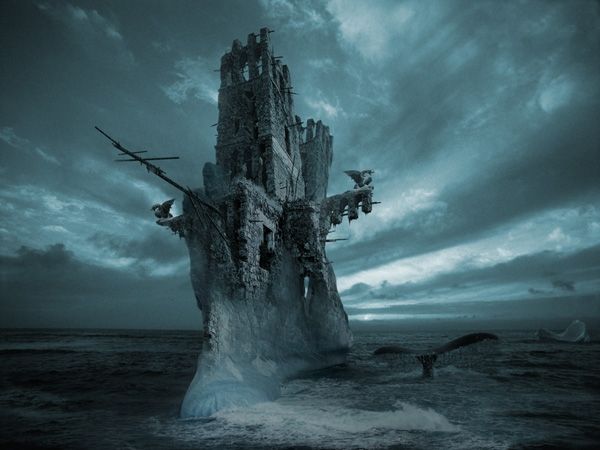
Illustration by George Grie
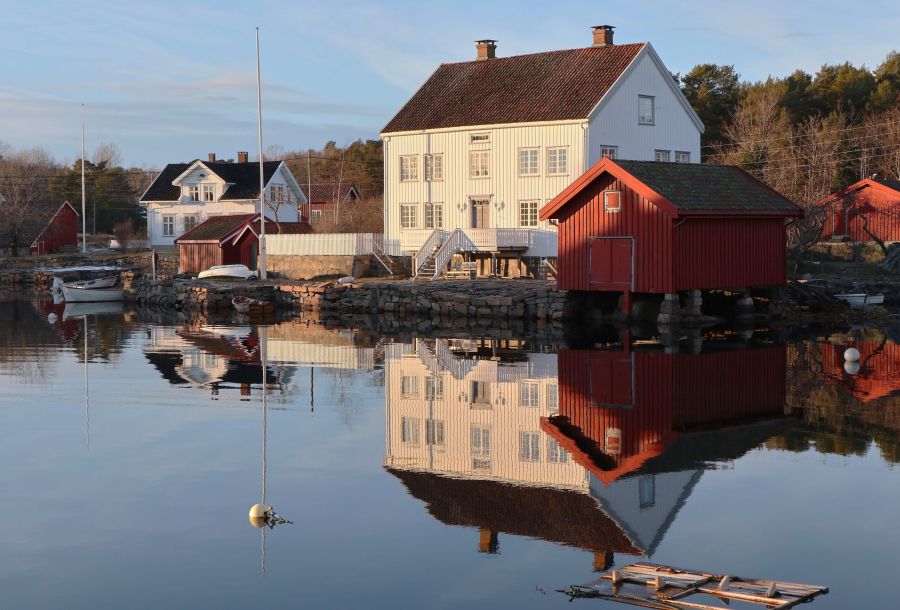
Borøykilen, where Wagner sought refuge.
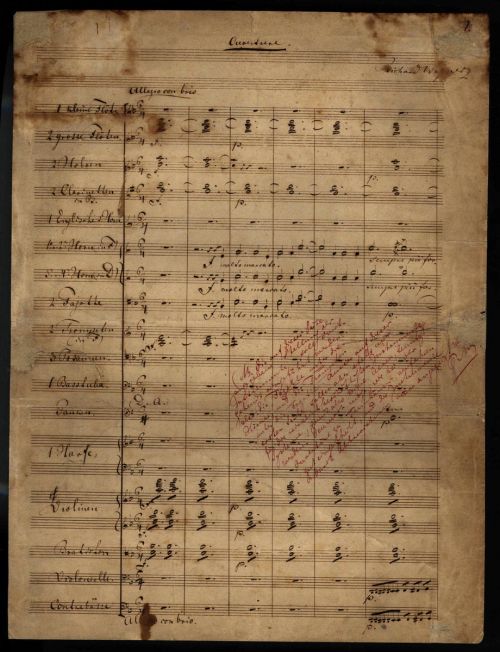
Wagner's notebook
The rest of my life
After a few days on Borøya, Wagner and Minna were finally able to continue their journey to London. They arrived safely, but the experience of the shipwreck and their stay at the emergency harbor on Borøya remained a memory that Wagner carried with him for the rest of his life. It is possible that this event also influenced his later works, in which themes such as the struggle against the forces of nature and human endurance are often present.
“An indescribable sense of well-being came over me as the echoes from the immense granite walls bounced back the crew’s powerful shouts while they dropped anchor and set sail. The short rhythm of these shouts stuck with me, comforted me greatly as if it were a good omen, and had, in the course of a short time, formed the theme for the sailors’ song in my ‘Flying Dutchman,’ Wagner has stated.”
Richard Wagner’s romantic opera *The Flying Dutchman* (1841) will be staged atperforming arts centre Kilden performing arts centre, premiering on March 1, 2025.
Watch the interview with director John Ramster and sset designer/costume designer, Bridget Kimak.
Sources: Tvedestrand Historical Society’s annual reports, The Music Encyclopedia: The World of Music